

TL;DR:
- Youth-oriented clothing is designed for ages 8 to 19, emphasizing fit, function, and identity expression. It features distinct sizing systems—youth sizes for pre-teens and junior sizes for teens—shaped by cultural trends, social media, and sustainability values in 2026. Building a versatile wardrobe relies on anchor staples and accessories that allow style shifts without overspending.
Youth-oriented clothing is apparel designed specifically for teens and young adults, built around their sizing needs, aesthetic preferences, and cultural values. The industry term most commonly used alongside this concept is “junior apparel,” which covers a distinct sizing and styling category separate from both children’s and adult clothing. In 2026, what defines youth clothing goes far beyond age. Brands like Nike, Urban Outfitters, and ASOS have built entire product lines around the idea that teens and young adults dress to signal identity, community, and values, not just to cover up. Understanding how youth-oriented fashion works gives you a real advantage when building a wardrobe that fits both your body and your personality.
What is youth-oriented clothing, exactly?
Youth-oriented clothing is apparel engineered to fit the proportions, lifestyles, and cultural expressions of people roughly between the ages of 8 and 19. It sits at the intersection of fit, function, and identity. The category splits into two distinct sizing systems: “youth” sizes for younger kids and “junior” sizes for teenagers, and confusing the two is one of the most common shopping mistakes people make.
Youth clothing covers ages 8 to 14 with straighter, less tailored cuts that suit pre-teen body proportions. Junior sizing, by contrast, targets ages 13 to 19 with slimmer fits, longer torsos, and odd-numbered size labels like 1, 3, 5, 7, and 9. This means a size 7 in juniors is not the same as a size 7 in youth or adult women’s clothing. The numeric systems are entirely different, and the anatomical cuts reflect that.
Beyond fit, youth-oriented fashion in 2026 is shaped by cultural forces: social media aesthetics, sustainability values, gender fluidity, and a strong preference for self-expression over conformity. Brands that succeed in this space understand that teens are not just buying clothes. They are buying identity.
What are the key sizing differences in youth-oriented clothing?
Getting the right size is the foundation of any good outfit, and the youth versus junior distinction trips up even experienced shoppers. Many shoppers confuse youth and junior sizing, but each has distinct anatomical cuts and numeric systems designed for different age groups and body proportions.
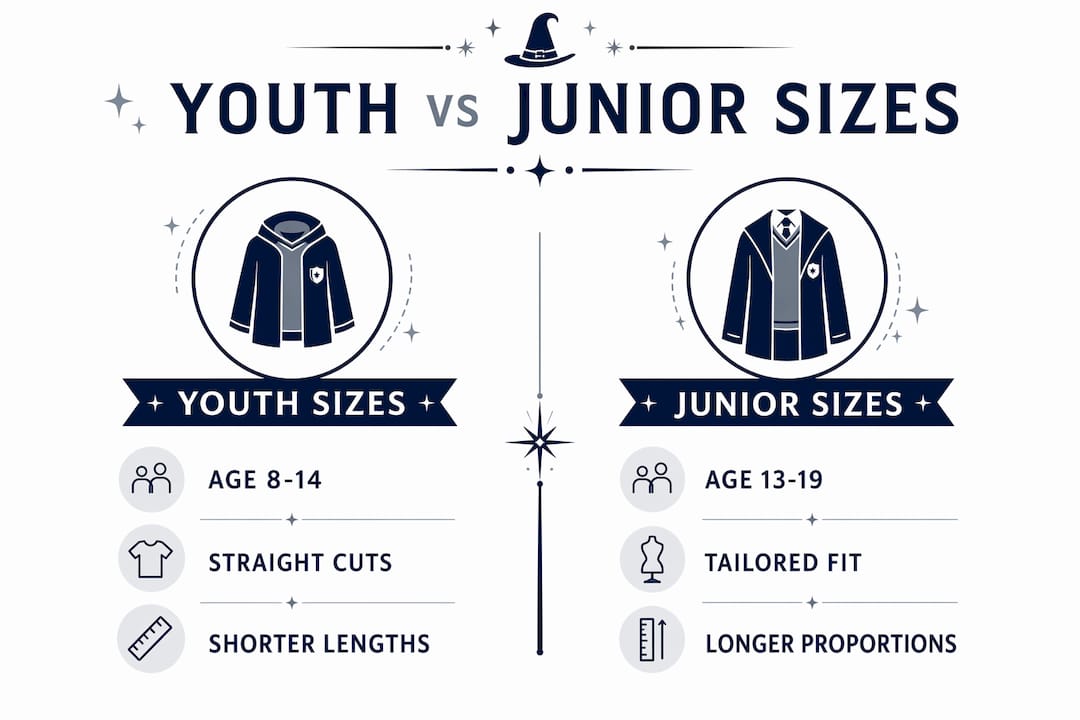
Here is a direct comparison to clarify the two categories:
| Feature | Youth Sizes | Junior Sizes |
|---|---|---|
| Age range | Approximately 8 to 14 | Approximately 13 to 19 |
| Body cut | Straighter, shorter torso | Slimmer fit, longer torso |
| Sizing system | Even numbers or XS/S/M/L | Odd numbers: 1, 3, 5, 7, 9 |
| Shoulder fit | Narrower, less defined | More defined, adult-like |
| Typical use | Pre-teen casual wear | Teen fashion and trend-driven styles |
The practical implication is significant. A teen who has outgrown youth sizing but buys junior sizes without checking the cut may end up with a garment that pulls across the shoulders or sits too short in the torso. Junior sizes are cut to accommodate a more developed frame, which is why the torso length and hip-to-waist ratio differ noticeably from youth cuts.
Pro Tip: When shopping online, always check the brand’s specific size chart rather than relying on the size label alone. Junior size 5 from one brand can fit very differently from a junior size 5 at another retailer.
One more thing worth knowing: junior sizing does not map directly onto adult women’s sizing either. A junior size 7 is not equivalent to a women’s size 7. The two systems use different measurement conventions, so cross-referencing measurements in inches or centimeters is always the smarter move when you are unsure.
What are the popular youth-oriented fashion styles and trends in 2026?
Youth fashion in 2026 is not one look. It is a collection of distinct aesthetics that teens mix, layer, and personalize. 2026 youth styles fall into archetypes like Clean Girl and Streetcore, with starter budgets ranging from $60 to $300 depending on the aesthetic. Some of these styles have real longevity, while others are micro-trends that fade within a season.
Here are the dominant youth fashion aesthetics shaping teen apparel styles right now:
- Clean Girl: Minimalist, polished, and effortless. Think sleek buns, neutral tones, fitted basics, and gold jewelry. This aesthetic has strong staying power because its core pieces, like a white fitted tee or straight-leg trousers, never go out of style.
- Streetcore: A blend of streetwear and everyday casual. Oversized hoodies, cargo pants, chunky sneakers, and graphic tees define this look. Streetcore is one of the most budget-friendly aesthetics because thrift stores and graphic apparel brands supply most of what you need.
- Acubi: A Korean-born aesthetic that favors comfort, layering, and muted colors, representing emotional grounding in youth fashion. Acubi blends minimalism with streetwear and rewards careful layering over flashy statement pieces.
- Y2K Revival: Low-rise jeans, butterfly clips, metallic fabrics, and bold color blocking. This trend draws from early 2000s pop culture but gets updated with modern silhouettes and sustainable fabric choices.
- Cottagecore and Soft Aesthetic: Floral prints, linen textures, and earthy tones. This aesthetic skews toward a slower, more intentional lifestyle and pairs well with thrift shopping.
2026 teen fashion trends emphasize bold colors, oversized silhouettes with tailored touches, sustainable and upcycled clothing, and Y2K revivals with modern twists. Accessories like chunky jewelry and layered textures play a defining role across nearly all of these styles. The key insight here is that accessories are often the cheapest and most effective way to shift between aesthetics without rebuilding your entire wardrobe.
For a deeper look at how these styles translate into real outfit choices, the 2026 youth style guide at 3wizardclothing breaks down each aesthetic with specific product examples.
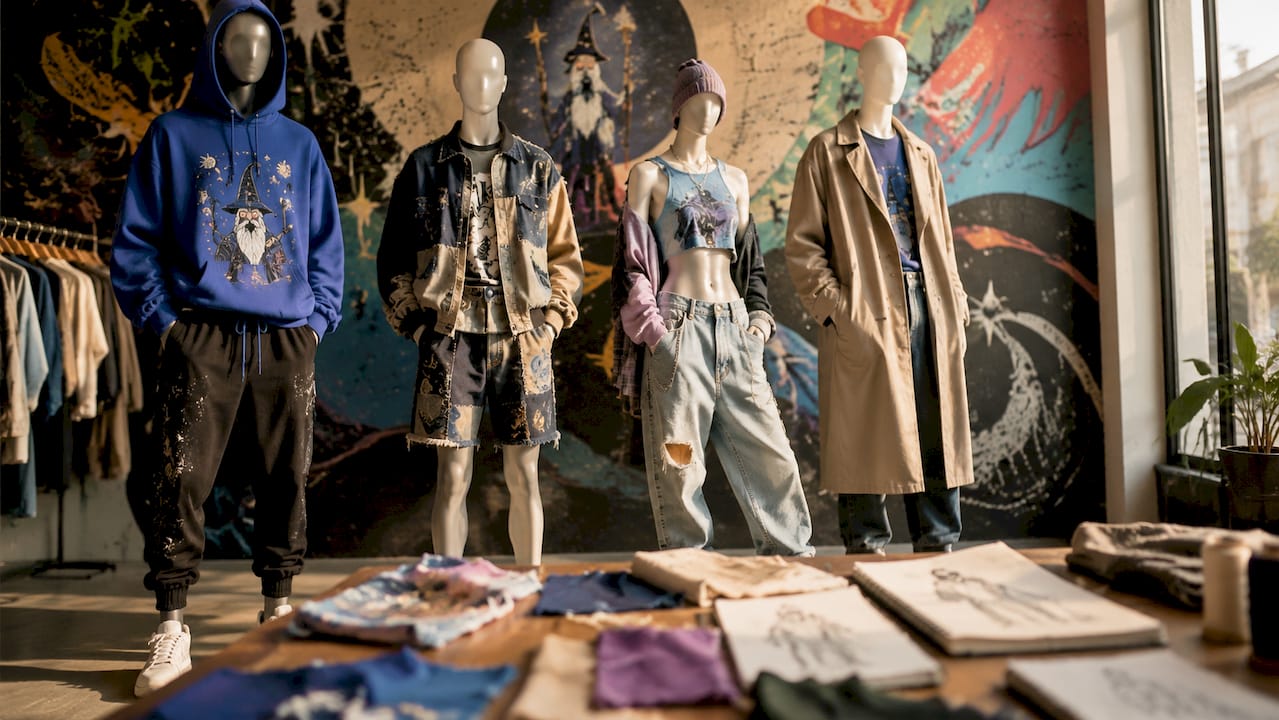
How does youth-oriented clothing reflect cultural identity and social expression?
Clothing is one of the most direct forms of communication available to young people, and Gen Z treats it accordingly. Gen Z uses fashion as radical self-expression, political statement, and community signaling, embracing inclusivity, sustainability, and gender fluidity. This is not a trend. It is a structural shift in how young people relate to clothing.
“Young people reject fashion rules, mix aesthetics rapidly, and prioritize authenticity and values signaling.” — Vogue Tidings, 2026
The paradox of modern youth fashion is that it celebrates both individuality and belonging at the same time. A teen might wear a Streetcore outfit on Monday and a Clean Girl look on Friday, not because they are confused, but because young consumers mix contradictory aesthetics within short time spans, reflecting experimental identity exploration more than adherence to fixed fashion rules. This fluidity is a feature, not a bug.
Sustainability and DIY culture are also central to how youth-oriented fashion operates in 2026. Thrift shopping at Goodwill or Depop, upcycling old garments, and buying from small independent brands are all ways teens signal values through clothing choices. Youth-oriented brands increasingly integrate sustainability, inclusivity, and tech elements, aligning with youth values and influencing clothing design and marketing. Brands that ignore these values tend to lose credibility with this audience quickly.
Gender fluidity in clothing is another defining characteristic of youth-oriented fashion right now. Oversized fits, gender-neutral cuts, and unisex collections from brands like ASOS and H&M reflect a generation that views clothing as personal rather than prescriptive.
How to build a practical, stylish youth-oriented wardrobe
Building a wardrobe that works across multiple aesthetics without draining your budget comes down to one principle: invest in anchor pieces, not micro-trends. Building a youth wardrobe around anchor pieces enables practical style experimentation through accessories without overspending or wardrobe clutter.
Follow these steps to build a wardrobe that stays relevant and versatile:
- Start with anchor pieces. Quality denim, oversized crewneck sweatshirts, white and black fitted tees, and neutral cargo pants are the foundation of almost every youth aesthetic. These items cost more upfront but pay off across dozens of outfit combinations.
- Understand silhouette before brand. Fit and silhouette matter more than brand or price for authentic youth styles. An oversized crewneck needs deliberately dropped shoulders to look intentional, not just like a shirt that is too big. Learn the difference between a structured oversized fit and a baggy fit before you buy.
- Use accessories to signal aesthetics. Accessories like chunky chains or bow clips signal aesthetics efficiently and economically. Swapping accessories lets you shift from Clean Girl to Streetcore using the same base outfit.
- Allocate budget strategically. Spend more on anchor pieces that last and less on micro-trend items. Fast fashion micro-trend cycles spike and fade within about 90 days, so overspending on short-lived trends leads to wardrobe regret.
- Thrift and upcycle intentionally. Platforms like Depop, ThredUp, and local thrift stores are excellent sources for anchor pieces at low cost. Upcycling, such as cropping a thrifted hoodie or adding patches to a denim jacket, adds personalization without adding expense.
Pro Tip: Before buying any new piece, ask whether it works with at least three items already in your wardrobe. If it does not, it is probably a micro-trend item rather than a genuine addition to your style.
For more guidance on putting bold styles together, the bold styles guide at 3wizardclothing covers how to wear statement pieces without losing cohesion in your overall look.
Key takeaways
Youth-oriented clothing is defined by its distinct sizing systems, aesthetic diversity, and role as a vehicle for cultural identity, making fit and intentional styling the two most important factors for any teen building a wardrobe in 2026.
| Point | Details |
|---|---|
| Sizing clarity matters | Youth sizes suit ages 8 to 14 with straight cuts; junior sizes suit ages 13 to 19 with slimmer, longer fits. |
| Aesthetics drive choices | Clean Girl, Streetcore, and Acubi are the dominant 2026 archetypes, each with distinct silhouettes and budget ranges. |
| Clothing signals identity | Gen Z uses fashion for self-expression, community signaling, and values communication, not just style. |
| Anchor pieces over trends | Versatile staples like quality denim and oversized crewnecks outlast micro-trends and reduce wardrobe waste. |
| Accessories shift aesthetics | Chunky chains, bow clips, and layered textures let you move between styles without rebuilding your wardrobe. |
Why youth fashion in 2026 is more intentional than it looks
I have spent years watching youth fashion get dismissed as impulsive or trend-chasing, and that reading has always been wrong. What I see in 2026 is a generation that shops with more awareness than any before it. Teens are cross-referencing size charts, sourcing from Depop before they check fast fashion retailers, and building wardrobes around aesthetics they have genuinely researched.
The 2026 shift toward emotional grounding and comfort in aesthetics like Acubi is not accidental. It reflects a broader cultural mood where young people are pushing back against the pressure to perform. Comfort is not laziness. It is a deliberate choice.
What I find most interesting is the wardrobe paradox: teens are mixing more aesthetics than ever, yet their individual pieces are more considered. A thrifted oversized flannel worn with tailored trousers and chunky sneakers is not a random outfit. It is a studied combination. The mistake most adults make is reading youth fashion as chaotic when it is actually highly intentional, just operating on different rules than traditional style advice.
My honest advice: stop trying to nail one aesthetic perfectly and start building a wardrobe that lets you move between them. The teens who dress best are not the ones with the most clothes. They are the ones who understand that three great anchor pieces beat fifteen mediocre trend items every time.
— Josh
Find your style at 3wizardclothing
If the aesthetics covered in this article speak to you, 3wizardclothing has graphic apparel that fits right into the Streetcore and casual youth fashion space. The collections are built for teens and young adults who want expressive, comfortable clothing without the department store price tag.
The Hello Autumn Tee from the Cozy Critters collection is a strong example of how a single graphic tee can anchor a layered fall outfit, whether you are going for a relaxed Acubi look or a casual Streetcore vibe. For a slightly different take on the same seasonal aesthetic, the Autumn Vibes Tee layers well under an oversized flannel or denim jacket. Both pieces are the kind of anchor items worth keeping in rotation well past one season.
FAQ
What is the difference between youth and junior clothing sizes?
Youth sizes cover ages 8 to 14 with straighter cuts and shorter proportions, while junior sizes cover ages 13 to 19 with slimmer fits, longer torsos, and odd-numbered labels like 1, 3, 5, and 7. The two systems use different anatomical cuts and do not correspond to each other or to adult women’s sizing.
What are the most popular teen apparel styles in 2026?
The dominant youth fashion aesthetics in 2026 include Clean Girl, Streetcore, Acubi, and Y2K Revival. Each has a distinct silhouette and budget range, with starter costs ranging from $60 to $300 depending on the style.
How does youth-oriented fashion reflect identity?
Gen Z treats clothing as a form of self-expression, community signaling, and values communication, mixing aesthetics rapidly and prioritizing authenticity over fixed style rules. Sustainability, gender fluidity, and DIY customization are all central to how young people use fashion to express who they are.
What defines a good anchor piece for a youth wardrobe?
An anchor piece is a versatile staple that works across multiple aesthetics and withstands trend cycles, such as quality denim, an oversized crewneck, or a plain fitted tee. These items form the foundation of a wardrobe and allow accessories to do the aesthetic signaling without requiring constant new purchases.
Is oversized the same as baggy in youth fashion?
No. Oversized is a deliberate structured silhouette with features like strategically dropped shoulders, while baggy simply means a garment is too large for the wearer. The distinction matters because an authentic oversized look requires intentional design, not just buying a larger size.


