

TL;DR:
- Unisex clothing is designed with neutral cuts to fit all genders and is increasingly popular as a practical, inclusive fashion choice. The market is expected to reach $3.2 billion by 2026, driven by Gen Z’s demand for comfort and self-expression beyond traditional gender norms. Styling techniques like layering and tucking can personalize unisex pieces, making them versatile and an essential wardrobe reset.
Unisex clothing is apparel purposely designed to be worn comfortably and stylishly by people of any gender, using neutral cuts and minimal gendered styling cues. The term covers everything from oversized graphic tees and hoodies to straight-leg pants and zip-up sweatshirts, all built around a single silhouette that works across body types. Understanding what is unisex clothing matters right now because the genderless apparel market is valued at $3.2 billion as of early 2026, growing at a 6.5% CAGR annually. That growth signals a real shift in how people think about getting dressed, not just a passing trend.
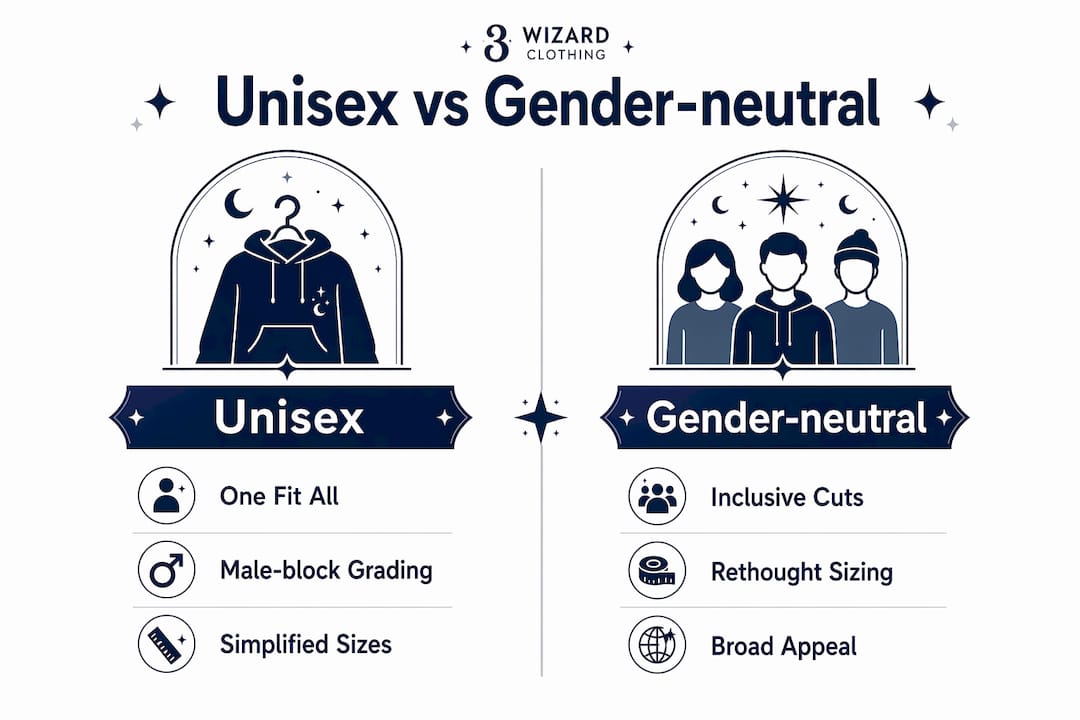
What is unisex clothing and how does it differ from gender-neutral fashion?
Unisex clothing and gender-neutral fashion are related but not identical, and confusing the two leads to real frustration when shopping. Unisex apparel typically defaults to a boxy, male-based cut designed to fit both men and women, while gender-neutral design avoids gendered assumptions in sizing and styling altogether. Think of unisex as a practical shortcut and gender-neutral as a broader design philosophy.
Gender-fluid fashion adds a third layer. Gender-fluid style differs fundamentally from unisex fashion by adopting traditionally gender-coded items across genders, rather than starting with a neutral design intent. A man wearing a traditionally feminine blouse is gender-fluid expression. A hoodie built with no gender in mind is unisex.
The table below breaks down the key distinctions so you can shop and style with clarity.
| Term | Design intent | Sizing approach | Example |
|---|---|---|---|
| Unisex | One garment fits all genders | Male-block grading as base | Standard crew-neck tee |
| Gender-neutral | Avoids all gendered assumptions | Rethought from scratch | Structured blazer with no taper |
| Gender-fluid | Crosses gender-coded categories | Uses existing gendered cuts | Feminine silhouette worn by any gender |
Marketers sometimes use these terms interchangeably, which muddies consumer perception. When a brand labels something “unisex,” check the size chart. If the measurements align with traditional men’s sizing, you are looking at a classic unisex cut, not a reimagined gender-neutral garment.
How unisex clothing is designed and sized for diverse body types
The technical foundation of unisex fit is the straight-cut grading method. Unisex sizing removes tapered waists and broad shoulder cuts typical of gender-specific clothes, resulting in balanced, straight-cut garments that fit diverse body types. The result is a boxy silhouette that reads as relaxed and casual rather than fitted or structured.
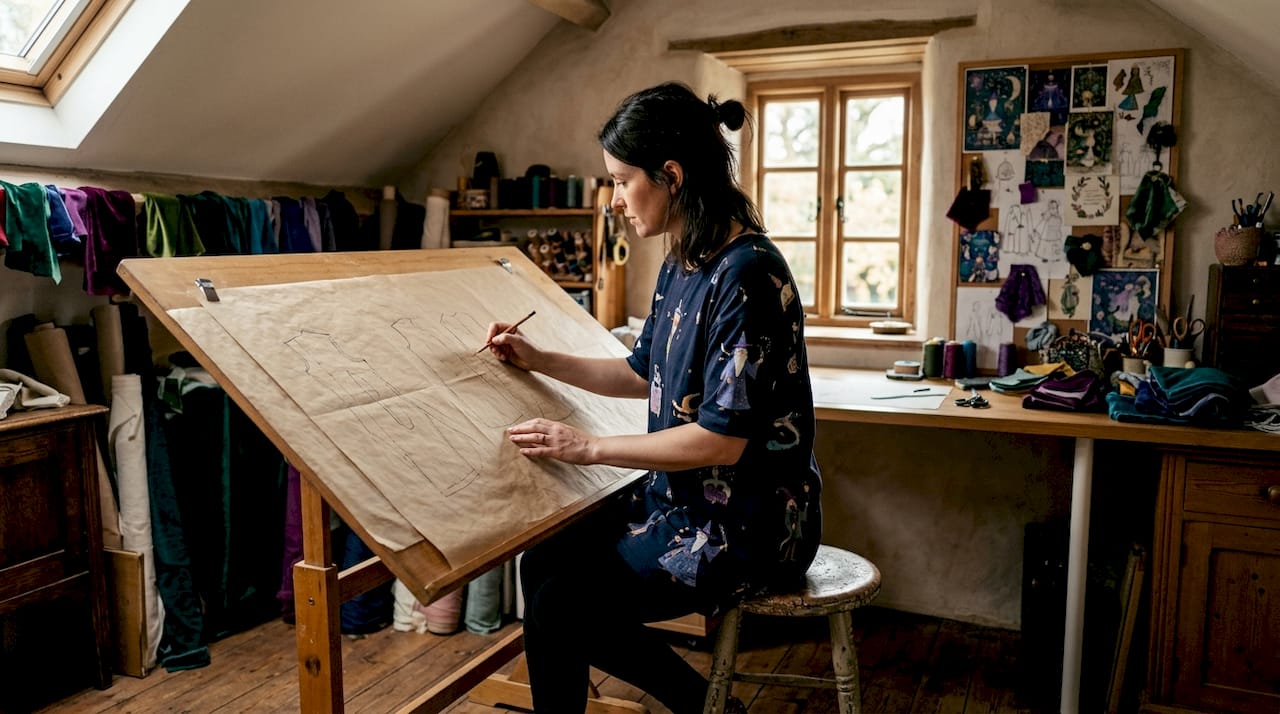
This approach also benefits production. Standardized unisex sizing simplifies manufacturing and supports consistent printing results by avoiding excess bulk or tapered constraints seen in traditional gendered cuts. Brands like Gildan built their mass-market dominance partly on this principle. The Gildan 2000 is a widely used example of a unisex blank that delivers consistent results across screen printing and embroidery runs.
The tradeoff is that a single block grading pattern cannot flatter every body equally. Unisex apparel often defaults to masculine block grading patterns but functions as a practical, inclusive solution enabling broad usability across diverse body types. Someone with a narrower frame may find the shoulders run wide. Someone with a fuller chest may find the fit more comfortable than a traditional women’s cut.
Pro Tip: Roll the sleeves once or twice on a unisex tee to instantly add shape and visual interest. This single adjustment transforms a boxy silhouette into something that looks intentional and styled.
For a deeper breakdown of how unisex cuts compare to traditional options, the men’s vs. women’s tees guide from 3wizardclothing walks through the specific measurement differences in plain language.
What are the psychological and lifestyle benefits of unisex clothing?
The appeal of unisex apparel goes well beyond aesthetics. People prefer unisex clothing due to emotional neutrality and reduced body-consciousness, enabling authentic, comfortable personal expression. When a garment is not designed to emphasize or minimize specific body features, the wearer stops thinking about their body and starts thinking about their day.
The emotional neutrality of unisex apparel reduces pressure to conform to rigid, gendered body standards, helping many wearers feel more authentic. This is especially relevant for people who have spent years feeling like clothing was designed for someone else’s body or identity.
Here are the core benefits that drive real-world preference for unisex styles:
- Reduced body-consciousness. Straight cuts do not highlight or compress specific areas, which lowers the mental load of getting dressed.
- Wardrobe efficiency. One unisex hoodie works for workouts, errands, and casual hangouts without needing a style swap.
- Shared wardrobe potential. Partners, roommates, and siblings can share unisex pieces, which stretches the value of each item.
- Simplified shopping. No need to cross-reference two separate size charts or sections of a store.
- Versatility across seasons. Minimalist, neutral-tone unisex apparel reduces decision fatigue and fits diverse settings and seasons, aligning with modern lifestyles.
Unisex activewear also meets demands for functionality, comfort, and versatility across workouts, errands, and casual social routines. The same pair of joggers that works at the gym works at the coffee shop, which is exactly the kind of flexibility modern wardrobes need.
How to style unisex wear for casual looks and personal expression
Styling unisex clothing well is about working with the silhouette rather than against it. Unisex t-shirts and hoodies are popular for their oversized, comfortable fit that suits many body shapes and casual uses. The key is using accessories and layering to add personality without losing that relaxed ease.
Follow these steps to build a unisex-forward casual outfit:
- Start with fit as your anchor. Choose your size based on how much volume you want. Size down for a cleaner look, size up for a streetwear-inspired silhouette.
- Layer intentionally. An open flannel shirt or a denim jacket over a unisex tee adds structure and visual depth without changing the core vibe.
- Use accessories to signal style. A chunky chain, a baseball cap, or a canvas tote shifts the same outfit from minimal to expressive without touching the clothing itself.
- Mix with fitted pieces. Pair a boxy unisex hoodie with slim-fit pants or leggings to create contrast. The oversized top and fitted bottom balance each other naturally.
- Lean into graphic prints. A unisex tee with a bold graphic does the expressive work for you. The print carries personality while the cut stays relaxed.
Pro Tip: When wearing a unisex tee tucked halfway into high-waisted pants, you create a casual front-tuck that adds shape and intention to an otherwise boxy silhouette. It takes ten seconds and changes the whole outfit.
Unisex graphic apparel from 3wizardclothing covers current trends and fit guidance in detail, which is worth reading before your next purchase if you want to match style to body type confidently.
What the 2026 unisex clothing market tells us about where fashion is heading
The numbers behind unisex fashion confirm this is a structural shift, not a seasonal trend. The genderless apparel market sits at $3.2 billion in 2026, with 56% of Gen Z consumers shopping outside traditional gender clothing sections. Gen Z is not just buying unisex pieces. They are actively rejecting the binary layout of traditional retail.
| Metric | 2026 data |
|---|---|
| Global genderless apparel market value | $3.2 billion |
| Annual growth rate (CAGR) | 6.5% |
| Gen Z shopping outside gender sections | 56% |
Brands from Zara to H&M have launched dedicated unisex lines in response to this demand. The Gildan G5200 remains one of the most widely printed unisex blanks in North America, used by independent designers and major brands alike. Its consistent sizing and weight make it a production standard.
For younger shoppers, the youth fashion trends report from 3wizardclothing shows that teens in 2026 are prioritizing comfort and self-expression over gender-coded style rules. That preference is reshaping what brands stock, how stores are organized, and what “casual wear” means across demographics.
Key takeaways
Unisex clothing is the most practical entry point into inclusive fashion because it delivers comfort, versatility, and authentic self-expression without requiring a complete wardrobe overhaul.
| Point | Details |
|---|---|
| Unisex vs. gender-neutral | Unisex uses male-block grading as a base; gender-neutral rethinks sizing from scratch. |
| Fit and design logic | Straight-cut grading removes tapered waists and broad shoulders for broader wearability. |
| Psychological benefits | Emotional neutrality in unisex apparel reduces body-consciousness and supports authentic expression. |
| Styling approach | Layering, accessories, and front-tucks personalize the silhouette without losing the relaxed fit. |
| Market momentum | The genderless apparel market is worth $3.2 billion in 2026, driven largely by Gen Z demand. |
Why unisex clothing is the wardrobe reset most people didn’t know they needed
I have watched the conversation around unisex fashion shift dramatically over the past several years, and the most interesting part is not the market data. It is how ordinary people describe the experience of wearing it. The phrase I hear most often is “I stopped thinking about it.” That is not a small thing. Most people spend real mental energy every morning managing how their clothes make them look or feel. Unisex pieces remove a layer of that friction.
What I find underappreciated is how well unisex graphic tees function as a vehicle for personal expression precisely because the cut is neutral. The graphic does all the talking. You are not fighting a fitted silhouette or a complicated construction. The shirt is a canvas, and you decide what goes on it.
The one honest caveat: unisex sizing still skews toward a specific body proportion, and not everyone finds the default fit flattering without adjustments. The sleeve roll, the front tuck, the layered flannel. These are not workarounds. They are styling tools, and once you know them, unisex clothing becomes genuinely flexible rather than just theoretically inclusive.
My advice is to start with one piece, a tee or a hoodie, and wear it three different ways before deciding whether unisex works for your wardrobe. Most people find it does.
— Josh
Graphic unisex tees worth adding to your wardrobe right now
3wizardclothing designs graphic apparel that leans into exactly what makes unisex tees work: bold prints on a relaxed, comfortable cut that fits a wide range of body types and personal styles.
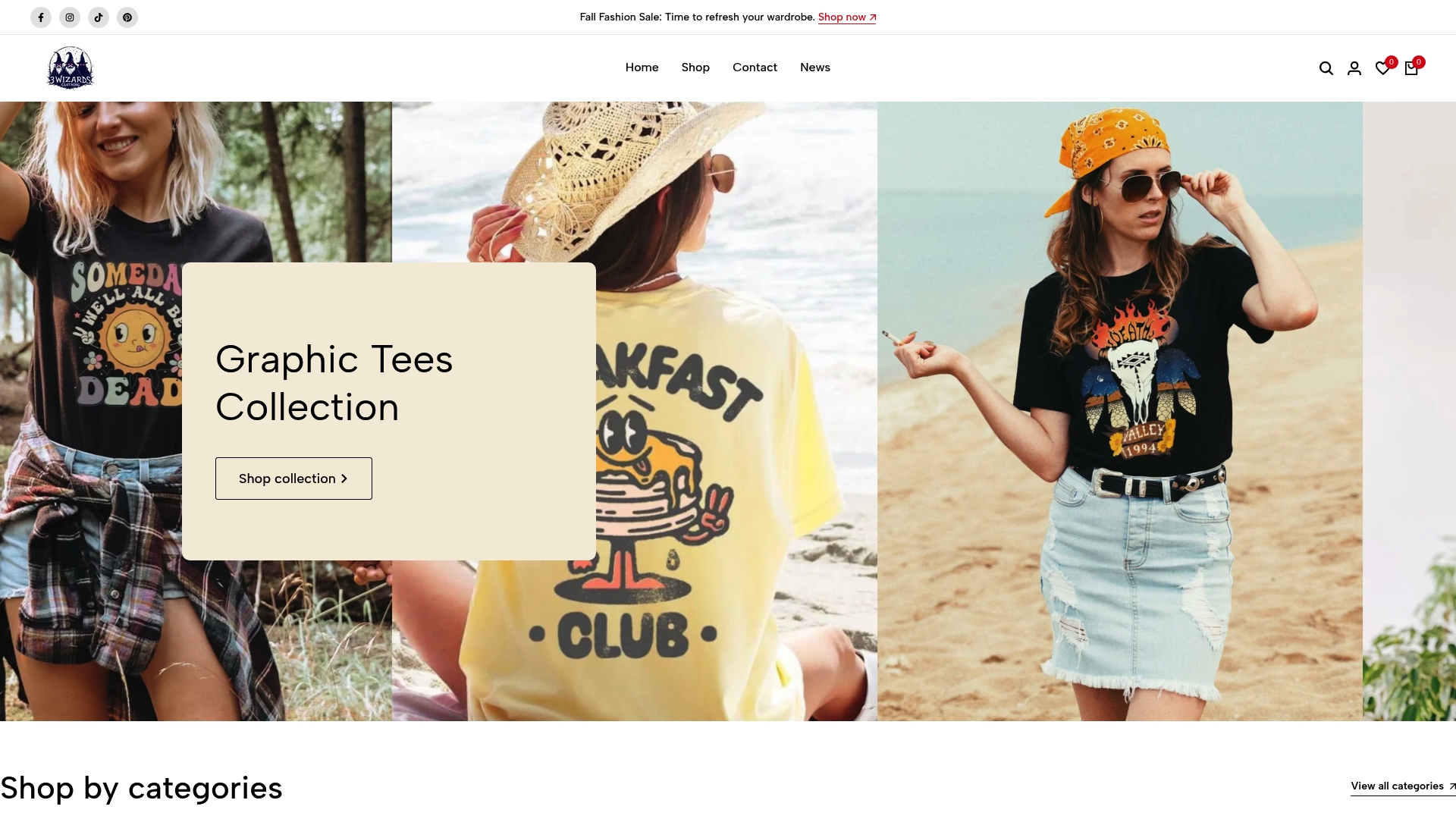
The Hello Autumn Tee is a standout example. It pairs a cozy seasonal graphic with a straight-cut unisex fit that works whether you size for a relaxed drape or a cleaner look. The Autumn Vibes Tee offers a similar energy with a slightly different graphic direction, making both worth comparing side by side. Both pieces reflect what 3wizardclothing does best: expressive designs on apparel that does not ask you to fit a mold.
FAQ
What is the unisex fashion definition in simple terms?
Unisex clothing is apparel designed with a single neutral cut intended to fit and appeal to people of any gender, typically using a straight, boxy silhouette with minimal gendered styling details.
Is unisex clothing the same as gender-neutral clothing?
No. Unisex clothing typically uses a male-block grading pattern as its base, while gender-neutral fashion rethinks sizing and design from scratch to avoid gendered assumptions entirely.
What are the main benefits of unisex clothing?
The core benefits include reduced body-consciousness, wardrobe versatility, simplified shopping, and the emotional freedom to dress without conforming to gendered body standards.
How do I style unisex wear to avoid looking shapeless?
Use the front-tuck technique, layer with a fitted bottom, or roll the sleeves to add visual structure. Accessories like hats, bags, and jewelry shift the overall look without changing the fit of the garment.
How big is the unisex clothing market in 2026?
The genderless apparel market is valued at $3.2 billion in 2026, growing at a 6.5% CAGR, with 56% of Gen Z consumers actively shopping outside traditional gender clothing sections.


