

TL;DR:
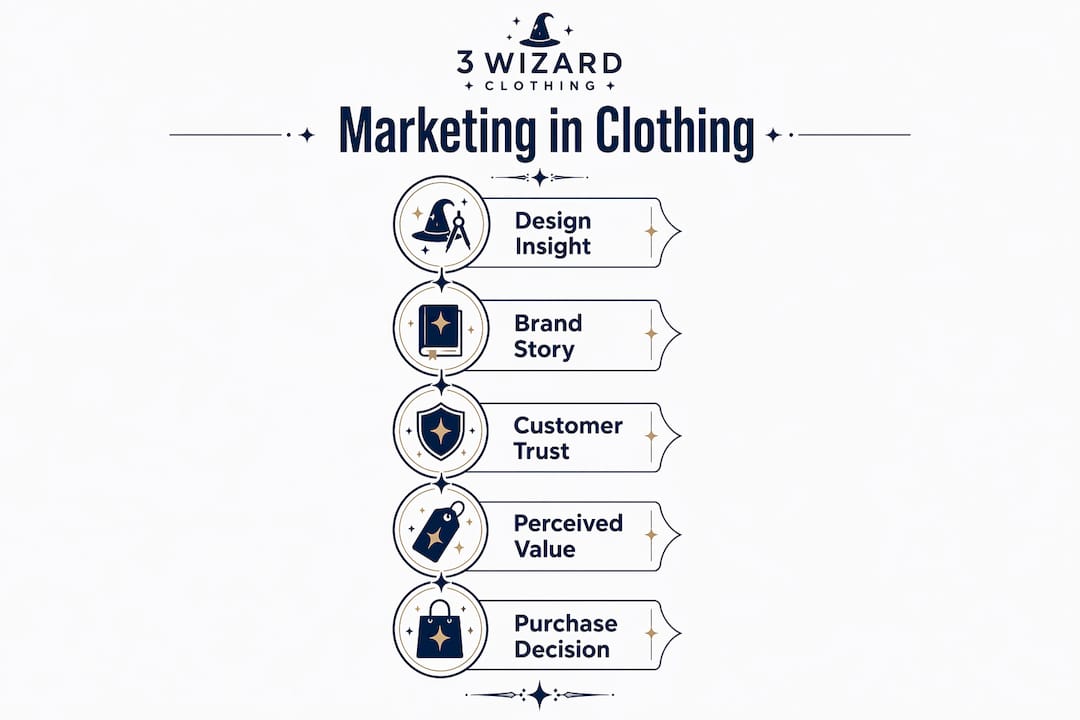
- Marketing influences clothing prices and shapes consumer perception from design to checkout.
- It creates desire through social media, influencer content, and personalized offers that increase trust.
Marketing determines what you pay for graphic clothing, which brands you trust, and why a $35 hoodie feels worth it when an identical one doesn’t. The role of marketing in clothing isn’t just advertising. It shapes the entire experience from the moment a design is sketched to the second you click “add to cart.”
Here’s what that looks like from your side of the screen:
- A TikTok video of someone wearing a Halloween graphic tee stops your scroll
- An email lands with a “48-hour restock” subject line
- A product page shows lifestyle photos, real customer reviews, and a size guide
- A seasonal drop goes live with limited quantities and a countdown timer
- An influencer you follow tags a brand in a casual post
Every one of those moments is a marketing decision. Understanding why they happen makes you a sharper shopper.
Table of Contents
- How marketing shapes clothing brands from the inside out
- What marketing tactics you actually see when shopping for graphic apparel
- How marketing lets brands charge more and what that means for you
- How 3wizardclothing uses site features to help you shop with confidence
- How to shop smarter when marketing is everywhere
- Signs a brand’s marketing is actually working for you, not just for them
- Key Takeaways
- What I’ve learned watching shoppers navigate graphic apparel marketing
How marketing shapes clothing brands from the inside out
Marketing doesn’t just promote finished products. According to University of Huddersfield research, it operates both upstream and downstream: upstream, it feeds consumer insights back to designers (which colors, motifs, and fits people actually want); downstream, it builds the narrative that makes those products desirable. That feedback loop means a brand isn’t just reacting to trends. It’s shaping them.
The commercial payoff is real. Potter Clarkson’s analysis of the fashion industry makes the point plainly: when a brand has a distinctive aesthetic and a compelling narrative, customers aren’t buying clothes. They’re buying identity. That’s what lets certain labels charge more than competitors regardless of production costs.
For graphic and themed apparel, this matters more than in almost any other category. A skeleton coffee tee isn’t just cotton. It’s a signal about your sense of humor, your work life, and what you find funny. Marketing is what makes that signal legible to the right buyer.
The core functions marketing serves inside a clothing brand:
- Brand identity: Defines who the brand is for and what it stands for
- Product influence: Guides design decisions using consumer research and trend data
- Demand creation: Builds desire before a product even launches
- Margin protection: Justifies premium pricing through perceived value
- Loyalty building: Keeps buyers coming back through community and consistent messaging
- Investment attraction: A strong brand signals long-term potential to partners and investors
Pro Tip: To tell genuine brand substance from surface-level marketing, look for consistency across every touchpoint. Does the Instagram voice match the product page copy? Do the reviews reflect what the ads promise? Inconsistency is the tell.
What marketing tactics you actually see when shopping for graphic apparel
IFA Paris describes fashion marketing as multifaceted, covering community building, trendsetting, product launches, and digital commerce. In practice, that means you’re encountering marketing at every step of your shopping journey, often without realizing it.
- Short-form video (TikTok, Instagram Reels): The fastest way brands seed trends. A 15-second clip of someone wearing a nerdy graphic tee in a relatable situation can drive more sales than a month of banner ads. Shoppable social posts let you go from discovery to checkout without leaving the app.
- Influencer and UGC content: Real people wearing real products reduce purchase hesitation. The key question: does the influencer’s audience actually overlap with yours, or are they just big? Micro-influencers with smaller, loyal followings often drive more genuine engagement than celebrities.
- Email and SMS: These channels are owned, meaning the brand isn’t at the mercy of an algorithm. Expect personalized recommendations, early-access drops, and flash sales. A “restock alert” email is a scarcity tactic. A “just for you” email is a personalization tactic. Both are designed to move you toward checkout.
- Seasonal drops and limited editions: Themed collections like Halloween or fall apparel create natural urgency. Limited quantities can be genuine or manufactured. Check whether the “limited” label comes with a specific quantity or just a vague deadline.
- Product pages: Lifestyle photography, model diversity, and detailed size guides are all conversion tools. High-quality real-life visuals reduce the uncertainty that kills online apparel sales.
Understanding how apparel trends shape your style helps you separate genuine trend relevance from manufactured hype.
How marketing lets brands charge more and what that means for you
Brand meaning, scarcity, and storytelling are the three mechanisms that justify premium pricing in apparel. BrandyHQ’s research on fashion branding found that consistent branding can drive up to 23% revenue growth, and brands with strong visual consistency see 147% higher year-over-year engagement growth. Those numbers reflect what happens when a brand’s story lands consistently across every channel.
Stat to know: Consistent branding is linked to up to 23% revenue growth and 147% higher engagement growth year over year, per BrandyHQ’s fashion branding analysis.
For you as a shopper, the pricing tactics worth knowing:
- Anchor pricing: A “was $55, now $35” label makes $35 feel like a deal, even if it was always $35
- Tiered collections: Entry-level basics, mid-tier graphic tees, and premium limited drops create a value ladder that nudges you toward the middle or top
- Bundle discounts: “Buy 2, get 20% off” increases average order value while feeling like a reward
- Loyalty pricing: Subscriber-only discounts reward repeat buyers and increase lifetime value
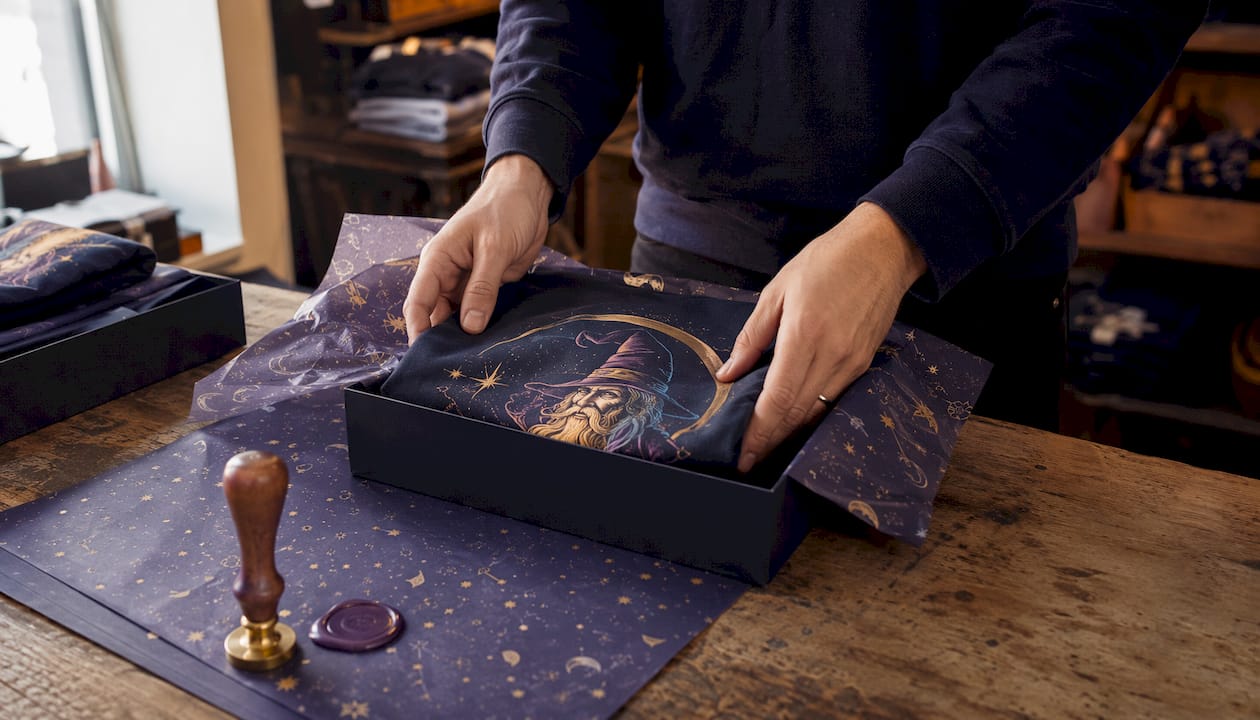
Visuals and brand storytelling also raise perceived value beyond material cost. A product photographed well, packaged thoughtfully, and backed by a clear brand story genuinely feels worth more, even when the fabric is identical to a cheaper alternative. That’s not manipulation. It’s how meaning gets attached to objects.
How 3wizardclothing uses site features to help you shop with confidence
Good marketing doesn’t stop at the ad. It extends into the shopping experience itself, and user experience directly affects conversion. 3wizardclothing builds several features into its site specifically to reduce friction and increase your confidence before you buy.
- Quick view: Browse multiple products without losing your place in a collection. Faster comparison, less tab-switching.
- Wishlists: Save items you’re considering without committing. Useful for resisting impulse buys during a flash sale.
- Comparison tools: Side-by-side product details so you can evaluate fit, design, and price without guessing.
- Lifestyle photography: Products shown on real people in real settings, not just flat lays, so you can visualize the fit.
- Themed collections: Halloween, fall, coffee lovers, and nerdy categories make it easy to shop by occasion or personality rather than scrolling endlessly.
Trust signals to check on any product page before buying:
- Sizing chart with actual measurements, not just S/M/L labels
- Customer photos or reviews mentioning fit and fabric
- Clear return and exchange policy (not buried in a footer)
- Transparent shipping timelines
- Consistent brand voice across the page and the ad that brought you there
How to shop smarter when marketing is everywhere
- Inspect the imagery critically. Lifestyle photos are persuasive. Look for customer-submitted photos alongside the professional shots. Real people in real lighting tell you more about color and fit.
- Check UGC and reviews before you buy. Reviews that mention specific details (fabric weight, print quality, true-to-size fit) are more useful than star ratings alone.
- Read the pricing structure. Is this a clearance discount or a rotating “sitewide sale” that never ends? Seasonal sales tied to real calendar events (Halloween, end-of-season) are usually genuine. Perpetual “50% off” codes are anchor pricing in disguise.
- Look for policy transparency. A brand confident in its product makes returns easy. Vague or punitive return policies are a signal worth noting.
- Test brand consistency. Does the Instagram account, the email, and the product page all feel like the same brand? Inconsistency often means the marketing is ahead of the actual product.
- Use the wishlist. Add items you want, then wait 48 hours before buying during a drop or flash sale. Manufactured urgency fades. Genuine desire doesn’t.
Pro Tip: Email marketing from brands you trust is worth subscribing to. Owned-list subscribers often get early access to drops and loyalty discounts that aren’t available to general visitors.
Signs a brand’s marketing is actually working for you, not just for them
Effective marketing produces observable outcomes you can spot as a shopper. These signals separate brands worth buying from again from those running on hype alone.
- Repeat buyers and active subscriber lists suggest the product delivers on what the marketing promises. A brand with a loyal base earned it.
- Consistent UGC across channels means real customers are voluntarily promoting the brand. That’s harder to fake than a paid ad.
- Low return rates implied by honest sizing show the brand prioritizes accuracy over flattering copy. When size guides include actual measurements and fit notes, that’s a trust signal.
- Transparent policies and responsive support indicate the brand stands behind its products. Check the return window, the shipping estimate, and whether there’s a real contact option.
- Active community engagement (replies to reviews, responses to tagged posts) shows the brand treats customers as people, not just transactions.
A brand that markets well and delivers consistently doesn’t need to manufacture urgency every week. The product does the work.
Key Takeaways
Marketing in clothing shapes price, identity, and trust at every step from design to checkout, and knowing how it works makes every purchase decision cleaner.
| Point | Details |
|---|---|
| Brand = meaning + margin | Strong branding lets labels charge more because customers buy identity, not just fabric. |
| Consistency drives growth | Consistent branding is linked to up to 23% revenue growth and 147% higher engagement, per BrandyHQ. |
| Visuals persuade — verify | Lifestyle photos are conversion tools; customer-submitted photos and fit-specific reviews are more reliable. |
| Discounts need context | Clearance and seasonal sales are genuine; perpetual sitewide codes are usually anchor pricing. |
| Trust signals come first | Check sizing accuracy, return policy, and UGC before price when evaluating a new brand. |
What I’ve learned watching shoppers navigate graphic apparel marketing
Most shoppers focus on the wrong thing. They fixate on the discount percentage and miss the signals that actually predict whether they’ll be happy with the purchase: sizing honesty, return clarity, and whether the brand’s voice is consistent from the ad to the product page.
Graphic and themed apparel is a category where expressive clothing carries real personal meaning. A Halloween tee or a nerdy hoodie isn’t a commodity. The marketing around it should reflect that. When it does, the price feels fair. When it doesn’t, even a deep discount leaves you with buyer’s remorse.
At 3wizardclothing, the goal is to make that alignment visible. The themed collections, the lifestyle photography, the on-site tools like wishlists and comparison views — those aren’t decorative. They’re the brand’s answer to the question every shopper is really asking: “Can I trust this?”
The answer should always be findable before you check out.


