

TL;DR:
- Fun clothing boosts mood and confidence by combining visual novelty, physical comfort, and emotional connection. It includes bold colors, playful prints, and well-fitting, comfortable garments that resonate personally, regardless of trend status. Incorporating small, intentional elements like accessories or textured pieces can enhance daily self-expression and well-being.
Fun clothing is defined as mood-lifting, joy-sparking attire chosen for emotional impact rather than trend compliance, built around colors, textures, prints, and silhouettes that make you feel genuinely good. The industry term for this practice is dopamine dressing, a concept grounded in enclothed cognition, the psychological principle that what you wear directly shapes how you think and feel. Brands like Farm Rio have built entire identities around this idea, and the rise of playful accessories, graphic tees, and novelty prints across casual fashion confirms it is not a passing phase. What defines fun clothing is ultimately personal, but the core characteristics of fun attire always include visual novelty, physical comfort, and a strong emotional connection between the wearer and the garment.
What defines fun clothing: key visual and physical features
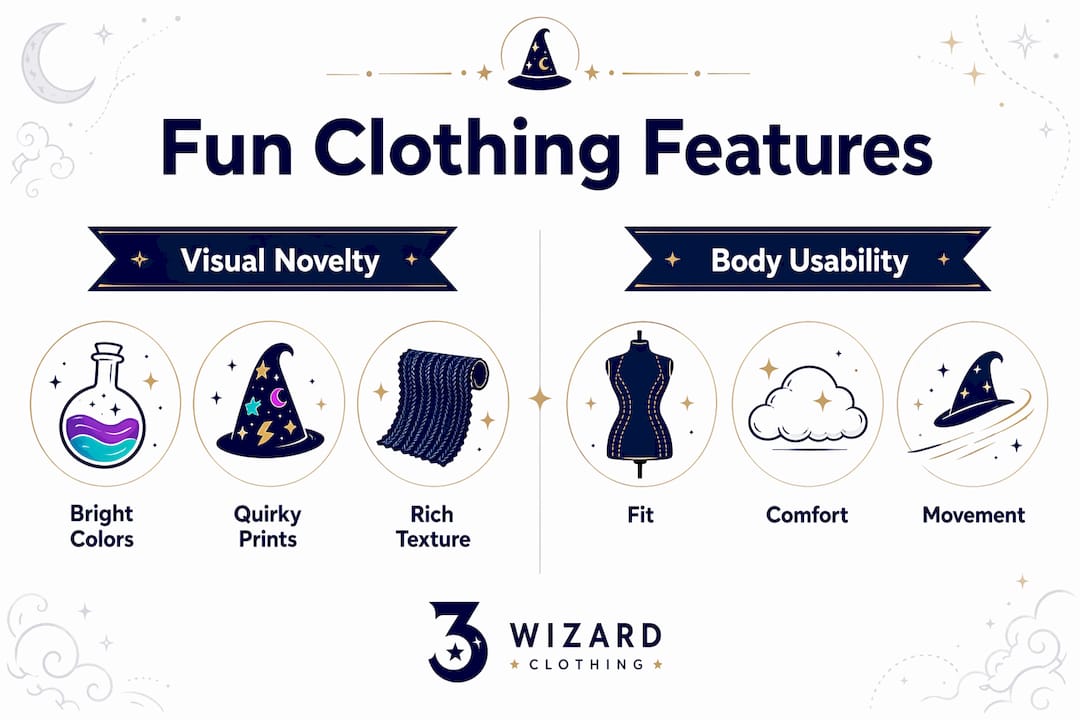
Fun clothing separates into two distinct categories that work together: visual novelty and body usability. Visual novelty and body usability impact motivation and confidence differently, which means a garment that looks exciting but fits poorly will undermine the very mood lift you are chasing.
Visual novelty: color, print, and texture
The most recognizable features of playful clothing are the ones you notice first. Bright colors, quirky prints, and highly textured fabrics signal fun before you even put the item on. Sources like Who What Wear recommend bright colors and quirky prints as the fastest way to make summer outfits feel festive and expressive. Statement accessories, from oversized earrings to novelty socks, extend the same visual energy without requiring a full outfit change.
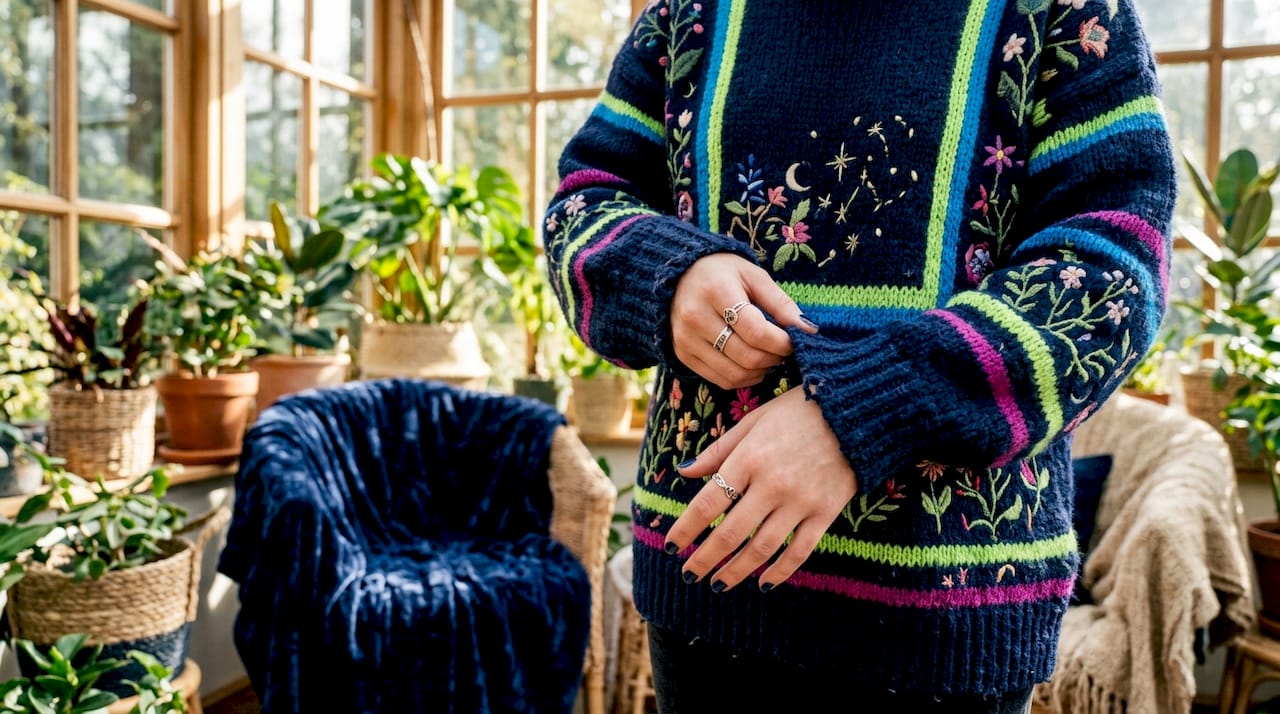
Texture adds a tactile dimension that color alone cannot. Chunky knits, velvet finishes, and embroidered details invite touch and create a sensory experience that makes wearing the piece feel like an event. This is one reason why graphic apparel consistently ranks among the most emotionally engaging clothing categories for young adults.
Body usability: fit, comfort, and movement
A garment’s fit is not just a sizing issue. Fabric color and garment fit each showed statistically significant effects (p<0.001) on motivation and self-confidence in a 2026 sportswear study with over 250 participants. That finding matters because it confirms that fun clothing must feel good on the body, not just look good on a hanger.
Breathable fabrics, relaxed silhouettes, and ease of movement are the physical features of playful clothing that allow you to actually live in the piece. Fun clothing that restricts movement or requires constant adjustment stops being fun within an hour.
Pro Tip: When shopping for bold statement pieces, always prioritize fit first. A well-fitted bright orange hoodie will lift your mood far more reliably than a baggy, ill-fitting neon dress that you spend the day tugging at.
How does fun clothing affect mood and psychological well-being?
The psychological mechanism behind fun clothing is real, even if the popular label oversimplifies it. Dopamine dressing is metaphorical, not a literal neurochemical event. It describes the practice of choosing clothing based on the emotional response it triggers, using color psychology and personal associations to regulate mood intentionally.
A structural equation modeling study on apparel choices and psychological well-being found that trends had the strongest effect on self-esteem, followed by clothing style and color, mediated by mindful consumption and fit. That means the most psychologically effective fun clothing is not random. It reflects awareness of what genuinely resonates with you.
Color psychology gives you a practical framework for dressing with emotional intention:
- Yellow, orange, and red are energizing colors associated with confidence and social engagement. Wearing them on days when you need a boost or want to feel more outgoing is a deliberate mood strategy.
- Blue and green are calming and grounding. Fun clothing in these tones works well when you want to feel relaxed and at ease rather than stimulated.
- Personal perception overrides general rules. If a color that is “supposed” to be calming actually makes you feel flat, it is not fun clothing for you, regardless of what color theory says.
“Dressing for your mood rather than for a trend is the most sustainable form of personal style.” This principle, drawn from expert guidance on finding your style, cuts through the noise of seasonal fashion cycles and puts emotional authenticity at the center of how you dress.
The practical implication is straightforward. Before buying a piece because it is trending, ask whether it genuinely lifts your mood when you put it on. If the answer is no, it is not fun clothing for you, even if it is fun clothing for someone else.
Can fun clothing be quiet? How personal style shapes what fun means
Fun clothing does not require a neon palette or a maximalist approach. Well-fitted, high-quality black outfits can be just as mood-lifting as the loudest print in the room, because fun is defined by the wearer’s emotional response, not by the garment’s decibel level.
Personal narratives and memories play a significant role here. Clothing holds memories and identity signals over time, making certain pieces retrospectively fun as durable sources of confidence and comfort. A thrifted denim jacket that you wore on a great trip, or a graphic tee from a concert you loved, carries emotional weight that a brand-new trendy piece simply cannot replicate.
Accessibility-focused fashion makes this point even more clearly. Sensory features and selection agency in clothing design, elements that give the wearer control and comfort, define fun through interaction and personal agency rather than visual spectacle. Fun is the feeling of choosing something that works for your body and your life.
The table below shows how loud and subtle approaches to fun clothing differ in practice:
| Dimension | Loud/bright fun clothing | Subtle/comfort-led fun clothing |
|---|---|---|
| Color | Bold primaries, neons, high contrast | Neutrals, muted tones, tonal dressing |
| Graphic, novelty, maximalist | Minimal, textured, tonal patterns | |
| Fit | Relaxed, oversized, statement silhouettes | Tailored, body-conscious, precise fit |
| Mood trigger | Visual stimulation and social energy | Comfort, confidence, and personal identity |
| Best for | Social events, creative environments | Everyday wear, professional settings |
Pro Tip: Instead of overhauling your wardrobe to chase a fun aesthetic, identify the one piece you already own that consistently makes you feel good when you wear it. That piece is your personal definition of fun clothing. Build from there.
How to incorporate fun clothing into your everyday wardrobe
Starting with fun clothing does not mean starting over. The most practical approach is to introduce one element at a time and observe how it affects your mood and confidence throughout the day.
The concept of micro-delight is useful here. A single mood-lifting detail, whether a breathable fabric, a playful accessory, or an unexpected shape, triggers the emotional response of fun clothing without requiring a full wardrobe overhaul. This makes the practice accessible regardless of budget or existing style.
Here are specific starting points for building fun clothing into your daily rotation:
- Statement accessories first. A bold bag, colorful sneakers, or novelty earrings add visual fun to any outfit without changing your core wardrobe. This is the lowest-commitment entry point.
- One bright piece per outfit. Introduce a single color-forward item, such as a cobalt blue shirt or a yellow jacket, and keep the rest of the outfit neutral. This approach, common in casual wear trends for 2026, prevents the look from feeling overwhelming.
- Texture as a quiet upgrade. Swap a plain cotton tee for a ribbed knit or a textured linen shirt. The visual interest adds fun without requiring a color commitment.
- Seasonal adaptation. Summer calls for breathable fabrics and bright prints. Fall and winter are ideal for layering cozy textures, graphic hoodies, and warm-toned palettes. Adapting your fun clothing choices to the season keeps the wardrobe feeling fresh and intentional.
- Graphic tees as a foundation. Creative t-shirt trends in 2026 show that graphic apparel remains one of the most versatile and emotionally expressive categories available, working across casual, social, and even semi-formal contexts when styled deliberately.
The goal is not to dress like a different person. It is to dress like a more intentional version of yourself, one who chooses clothing for how it makes you feel rather than defaulting to whatever is easiest or most expected.
Key takeaways
Fun clothing is defined by its ability to lift mood and spark joy through a combination of visual novelty, physical comfort, and personal emotional connection, not by loudness or trend compliance alone.
| Point | Details |
|---|---|
| Visual novelty drives first impressions | Bold colors, quirky prints, and textures signal fun before the garment is even worn. |
| Fit and comfort are non-negotiable | A 2026 study confirmed garment fit significantly affects self-confidence and motivation. |
| Dopamine dressing is a metaphor | Choose clothing by emotional response, not by literal neurochemical logic or trend pressure. |
| Fun clothing is subjective | A well-fitted black outfit can be just as mood-lifting as the boldest print in the room. |
| Start with micro-delight | One statement accessory or textured piece can trigger the emotional benefits of fun dressing. |
Why fun clothing is worth taking seriously
I have spent years watching people dismiss the idea that what they wear matters. They treat clothing as purely functional, something to cover up with, and then wonder why they feel flat or uninspired on days when everything else is going fine. The research on enclothed cognition is not soft science. It is a documented effect. What you put on your body changes how you carry yourself, how you interact with people, and how you feel about the day ahead.
What I find most interesting is the freedom that comes from defining fun clothing on your own terms. The loudest outfit in the room is not automatically the most joyful. I have seen people light up in a perfectly fitted charcoal sweater the same way others do in a Farm Rio floral dress. The common thread is always intentionality. They chose the piece because it meant something to them, not because an algorithm told them it was trending.
The pressure to perform fun through clothing, to look like you are having a great time rather than actually feeling it, is real and worth resisting. Dressing for your own mood is a form of self-respect. It is also, practically speaking, the only approach that produces consistent results. Trends cycle. Your emotional response to a color or a texture that genuinely resonates with you does not.
Start with what already makes you feel good. Then build outward from there, one piece at a time.
— Josh
Add some fun to your fall wardrobe with 3wizardclothing
If you are ready to put these ideas into practice, the Pumpkin Season T-Shirt at 3wizardclothing is a strong starting point. It combines the visual novelty of autumn-themed graphic design, featuring harvest icons, cozy sweater imagery, and latte motifs, with the breathable comfort that makes a tee genuinely wearable all season.
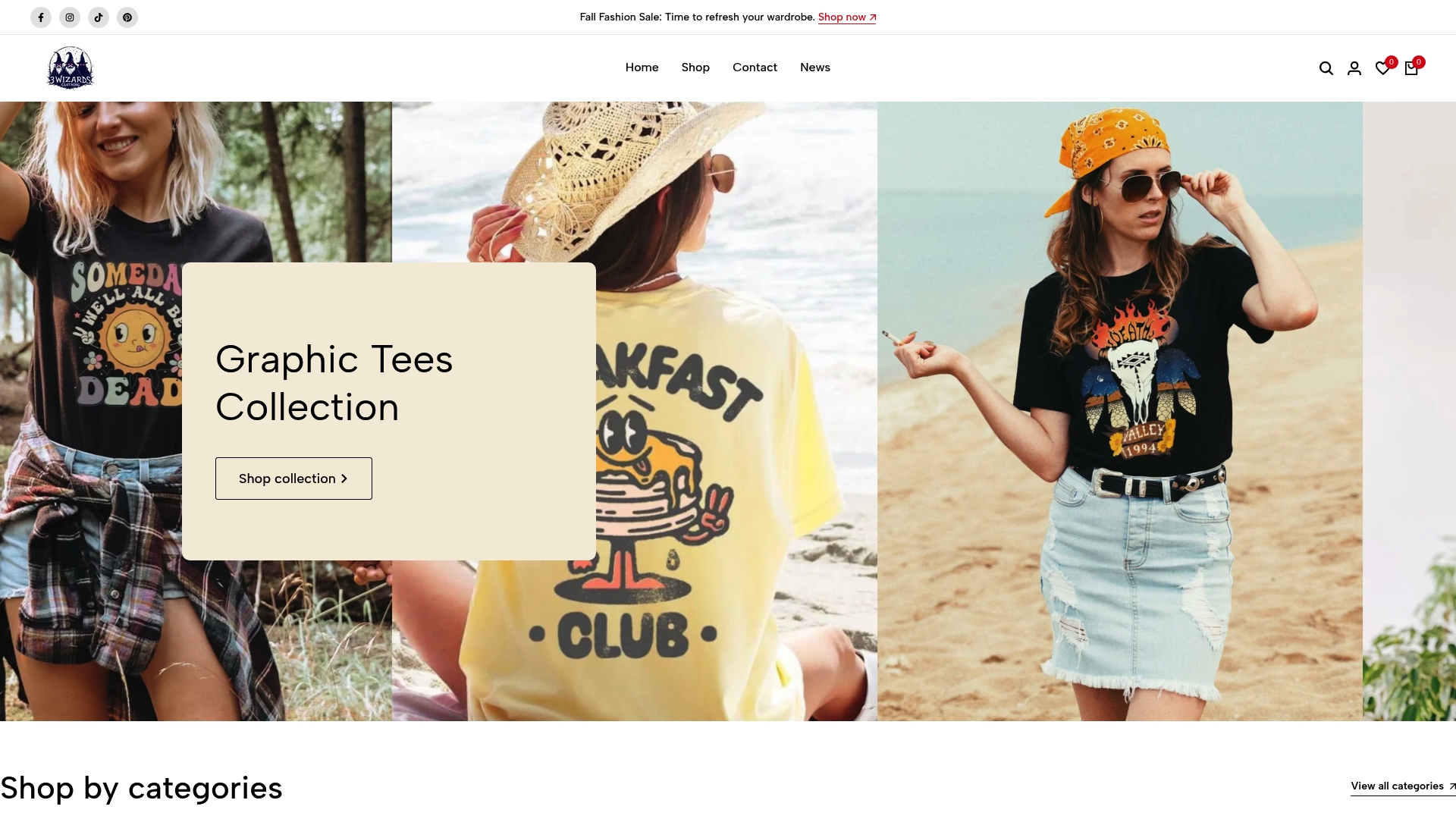
This is exactly the kind of micro-delight piece that adds seasonal fun without overhauling your wardrobe. 3wizardclothing carries a full range of graphic tees, hoodies, and themed collections for men, women, and kids, all designed around the idea that clothing should make you feel something. Browse the full collection and find the piece that fits your personal definition of fun.
FAQ
What defines fun clothing in simple terms?
Fun clothing is any garment chosen for its ability to lift your mood and spark joy, typically through bold colors, playful prints, comfortable fit, or strong personal meaning. The key is emotional response, not visual loudness.
Is dopamine dressing a real psychological concept?
Dopamine dressing is a metaphor for intentional emotional dressing, not a literal neurochemical process. It draws on color psychology and enclothed cognition to explain why certain clothing choices consistently improve mood and confidence.
Can minimalist or all-black outfits count as fun clothing?
Yes. A well-fitted, high-quality outfit in any color can be fun clothing if it genuinely lifts the wearer’s mood and reflects personal identity. Fun is defined by emotional impact, not color saturation.
How do I start incorporating fun clothing without overspending?
Begin with one statement accessory or a single textured piece rather than a full wardrobe refresh. The micro-delight concept shows that a single mood-lifting detail is enough to trigger the emotional benefits of fun dressing.
What role does fit play in fun clothing?
Fit is critical. A 2026 sportswear study with over 250 participants found that garment fit has a statistically significant effect on self-confidence and motivation, meaning a poorly fitted piece undermines the mood-lifting purpose of fun clothing entirely.
Recommended
- Humor-Themed Clothing: Express Your Style and Personality – 3 Wizard Clothing
- Top funny clothing styles for standout self-expression – 3 Wizard Clothing
- Why expressive clothing matters: showcase your unique style – 3 Wizard Clothing
- Why apparel trends matter for style, fun, and value – 3 Wizard Clothing


