

If you want gaming graphic tees that actually hold up, start with retailers who list fabric content and print method up front, not just a product photo. Pick licensed art or original fan designs based on your taste, but prioritize fabric and fit first, print durability second. Follow the care instructions on the tag, and the graphic will outlast the hype cycle that made you buy the shirt in the first place.
TL;DR:
- Prioritize fabric content and print durability by checking specifications and care instructions to ensure your gaming tees last through wash cycles.
- Buy from specialist shops for limited-run, artist-collaborated designs or official stores for licensed, high-quality merchandise, and avoid generic listings without clear licensing info.
- Focus on comfort and fit by measuring with a tape and choosing the right style, especially if buying as a gift or planning to layer the tee.
- Understand that fabric type affects durability, with cotton offering breathability and tri-blends resisting pilling, while print care impacts longevity.
- Act quickly on themed collections or limited drops, as popular sizes can sell out fast and may not be restocked.
Table of Contents
- Where To Buy Gaming Graphic Tees
- How To Choose The Right Gaming Graphic Tee
- What Materials And Print Types Mean For Durability
- Sizing And Fit: How To Buy Without Guessing
- Styling And Gift Ideas For Gamer Apparel
- The Merchant’s View On Gaming Graphic Tees
- Shop Curated Gaming Tees At 3 Wizard Clothing
- Sources
Where To Buy Gaming Graphic Tees
Three distinct retail paths exist for gaming apparel, and each one trades something for something else. Understanding which trade-off you’re making before you check out saves you a return shipment later.
Specialist and indie shops curate their catalog around a specific aesthetic. Sites like Fangamer built a following on original fan art and limited-run collaborations, and that curation model tends to produce faster sellouts. If a design catches your eye at a specialist shop, don’t sit on it. These retailers often work directly with artists, so the print you’re buying may never be restocked once the run ends.
Official brand stores sell licensed merchandise straight from the source. Nintendo’s own storefront, for example, sells officially licensed apparel like its Zelda tee line, and licensing status tends to correlate with tighter quality control and higher price floors. Limited editions from official channels can command a premium, while general sales events often offer notable discounts.
Marketplaces like Amazon offer the widest selection you’ll find anywhere, spanning thousands of gaming shirt listings. That breadth comes with real quality variance, since third-party sellers range from excellent to barely acceptable. Retailers such as BoxLunch sit somewhere in between, running category pages dedicated to gamer tees with a mix of licensed and novelty designs.
Before you check out anywhere, run through this quick verification list:
- Confirm the licensing badge or official partnership disclosure on the product page, not just in the marketing copy.
- Read the fabric composition and print method listed in the specs, not inferred from photos.
- Look for limited-run or drop-schedule notices, since these usually indicate faster sellouts and less restock flexibility.
- Check return policy details before buying sized apparel from a new seller.
- Cross-reference seller ratings and review counts, especially on open marketplaces.
3wizardclothing operates as a curated specialist in this landscape, running themed collections rather than a catch-all bin of designs. The site includes wishlist tools and product comparison features, so you can shortlist a few tees, compare fabric and print details side by side, and decide without twenty browser tabs open. If you’re hunting for a discount before you buy, a resource like this promo code guide for gamer apparel shopping is worth a quick read.
How To Choose The Right Gaming Graphic Tee
Picking a good gaming tee comes down to three things in order: fabric, print method, and fit. Get those right and the design almost takes care of itself.
Fabric first. Most quality gaming shirts use one of two base materials. 100% ringspun cotton is soft, breathable, and the standard for everyday comfort. Neither is objectively better. Cotton wins on breathability and that broken-in softness people love; tri-blend wins on durability and drape if you’re wearing the shirt often.
Print method second. This is where most casual shoppers get it wrong, because it’s invisible until the shirt has been washed a dozen times.
- Screen printing lays down thick, opaque layers of ink and holds up well over years of washing when the base fabric is decent quality.
- Direct to garment (DTG) printing produces sharper detail and better color gradients, which matters for busy game art, but the ink sits closer to the fiber and can show wear sooner on high-friction areas like the lower back or sleeve hems.
- Sublimation dyes the ink into the fabric itself, so it never cracks or peels, but it only works well on polyester-heavy blends.
- Specialty inks, including glow-in-the-dark and metallic finishes, look great on release day but demand the gentlest care of any print type on this list.
Fit third. Read the actual size chart on the product page instead of guessing from the model photo. Chest measurement in inches, garment length, and sleeve style tell you far more than a size label like “medium,” which varies wildly between brands. If you’re between two sizes and plan to layer the tee under a hoodie or flannel, size up. If you want a slimmer, tucked-in silhouette, stick to your true measurement or size down slightly.
Here’s a fast filter based on what you’re actually buying the shirt for:
- Collector buying a limited drop: prioritize licensing authenticity and print technique over price; expect to pay more and move fast before it sells out.
- Daily wear shopper: prioritize fabric comfort and wash durability over graphic rarity; ringspun cotton in a standard fit is the safe default.
- Gift buyer: prioritize a size you’re confident about and a design broad enough to read as “gamer” without alienating someone who doesn’t play that specific title.
Pro Tip: Check the product description for the exact print method before you buy, not after. A listing that specifically names “screen print” or “DTG” is almost always more reliable than one that just says “high-quality print,” because vague language usually means the seller doesn’t know or doesn’t want to say.
What Materials And Print Types Mean For Durability
The fabric and the ink are doing two separate jobs, and understanding both helps you predict how a shirt will look a year from now instead of guessing.
Cotton and tri-blend fabrics behave differently under stress. A 100% ringspun cotton shirt breathes better and softens with age, which is why it’s the default for everyday tees. A tri-blend shirt built from polyester, cotton, and rayon in a 50/25/25 split resists pilling and holds its shape through more dryer cycles, which matters if the shirt is going into weekly rotation rather than occasional wear.
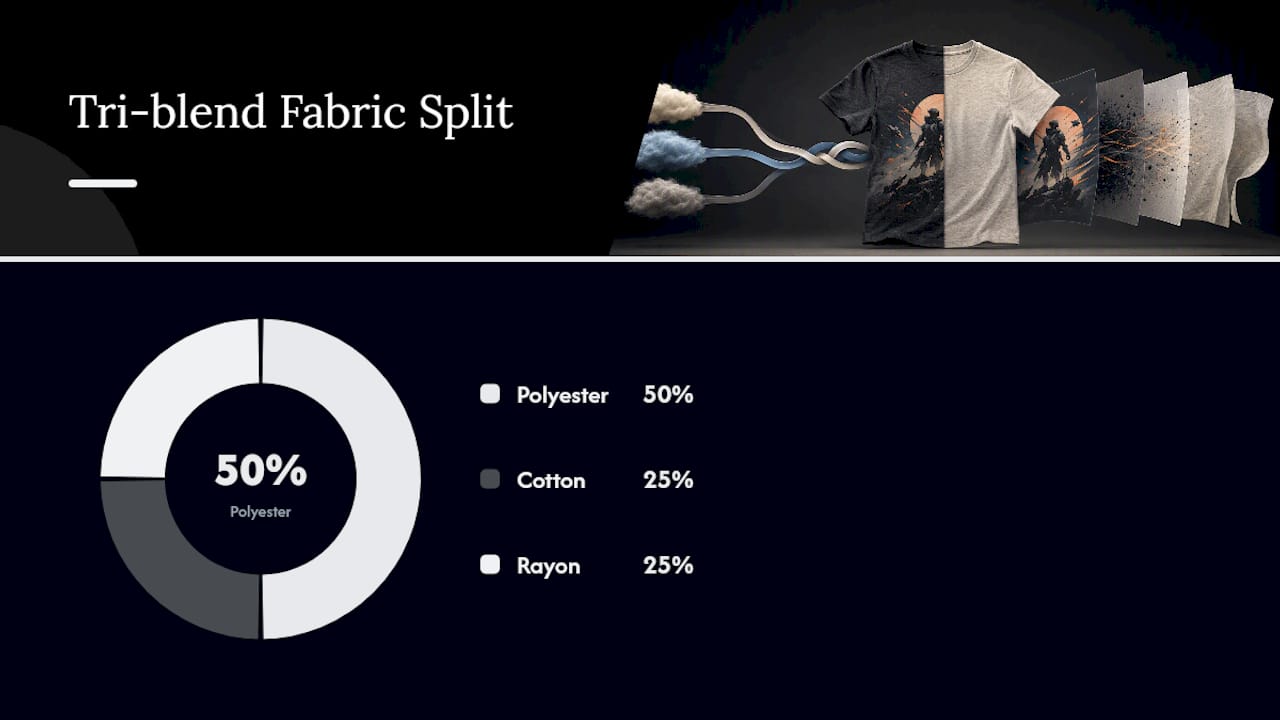
Print durability depends on matching ink type to fabric and then caring for it correctly. Fade-resistant inks and standard screen printing generally survive dozens of washes without visible degradation. Specialty treatments like glow-in-the-dark ink require more deliberate care, since the pigment layer is thicker and more prone to cracking under heat.
The care rules that protect any printed graphic are consistent across fabric types:
- Wash in cold or warm water, never hot, since heat is the single biggest cause of print cracking.
- Turn the shirt inside out before washing to reduce direct friction on the printed surface.
- Skip the iron on the print entirely, or use a pressing cloth if you must iron the fabric elsewhere.
- Air-dry when possible; if you use a dryer, choose the lowest heat setting.
A closer look at how much this matters: 3wizardclothing’s own care guidance points to washing temperature and ironing as the two biggest factors in whether a graphic cracks or peels within the first year of ownership. Skip both mistakes and most prints will outlast the shirt’s fabric. For a deeper walkthrough of wash cycles and drying settings, this care guide covers the specifics fabric by fabric.
Sizing And Fit: How To Buy Without Guessing
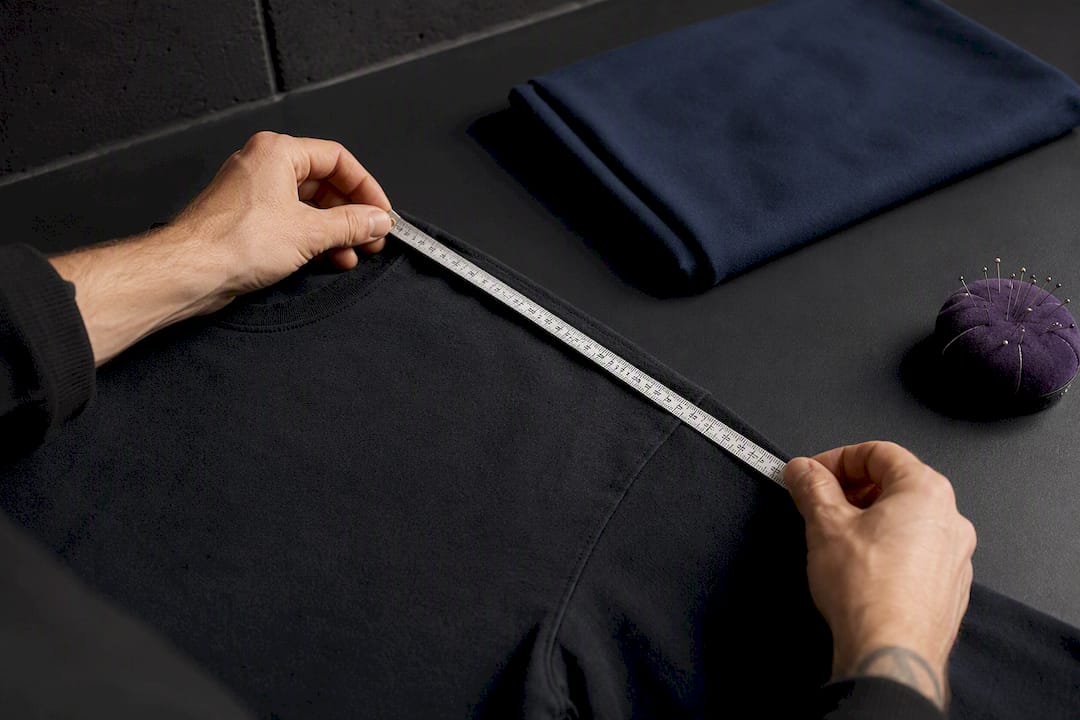
A tape measure solves more sizing problems than any size chart guessing game ever will. Here’s the fast version.
- Measure your chest at the fullest point, usually right under the arms, and keep the tape snug but not tight.
- Measure a shirt you already own and love the fit of, laid flat, from armpit to armpit and from shoulder seam to hem.
- Compare both numbers against the retailer’s size chart, not the generic S/M/L label, since chart measurements in inches are far more reliable across brands.
- Round up when unsure, especially for tees you plan to layer or wear loose, since a slightly larger cotton or tri-blend tee shrinks less noticeably than a snug one that gets even tighter after a wash.
Fit type matters as much as the number. A slim fit sits close to the body and suits someone who wants the graphic to read clean without excess fabric. A standard fit is the safest all-around choice, roomy enough for comfort without looking baggy. A relaxed fit trades shape for comfort and works well over base layers or for anyone who prefers a looser silhouette entirely. Matching fit type to body type and intended use cuts return rates significantly, since most sizing complaints trace back to fit-type mismatch rather than an actual measurement error.
If you’re buying as a gift and don’t know the recipient’s exact size, go with standard fit and round up one size rather than down. A slightly loose gift tee gets worn; a slightly tight one gets shoved in a drawer. Check the retailer’s exchange policy before you buy, since apparel gifts are one of the most commonly returned categories, and a flexible exchange window saves an awkward conversation later.
Styling And Gift Ideas For Gamer Apparel
A gaming graphic tee works in more outfits than people give it credit for, as long as you match the graphic’s scale to what you’re pairing it with. A large, busy print reads best solo or under an open flannel, while a smaller chest logo layers cleanly under a denim jacket or hoodie without competing for attention.
Streetwear staples do most of the heavy lifting here:
- Pair a bold retro gaming graphic with plain joggers and sneakers, letting the shirt be the only loud element in the outfit.
- Layer a subtle pixel-art design under an open flannel or bomber jacket for a look that reads “gamer” without shouting it.
- Tuck a fitted tee into cargo pants for a cleaner silhouette that still nods to current graphic-forward casual trends.
Gift selection comes down to reading the recipient, not the trend cycle. Someone who wears branded gear openly will appreciate a bold, recognizable design tied to their favorite title. Someone more reserved about their fandoms tends to prefer subtler nods, like a stylized retro-inspired graphic that reads as cool streetwear first and gaming reference second.
For gift-giving specifically, a limited or collector-run tee makes a stronger impression than an everyday design, but only if you’re confident about size. When sizing is uncertain, skip the exclusive drop and choose a widely available everyday tee with a flexible return window instead. A gift that has to be exchanged loses some of its shine.
The Merchant’s View On Gaming Graphic Tees
Josh has spent years watching what actually moves in graphic apparel, and the pattern is consistent: shoppers assume the design sells the shirt, when in reality the fabric and fit decide whether it gets worn past the first month. A great pixel-art print on a stiff, poorly finished tee ends up folded at the bottom of a drawer within weeks.
3wizardclothing’s own retail data backs this up in an unexpected way. Fifty-three percent of youth surveyed consider graphic tees essential to their personal style, not just casual filler in a closet. That number tells you graphic tees have moved from novelty item to wardrobe staple for a lot of shoppers, which raises the bar for what “good enough” actually means.
Themed drops behave differently than standard inventory. When a collection ties to a seasonal theme or a specific fandom moment, popular sizes tend to sell out fast, sometimes within days. If you spot a design you like during a themed release, don’t wait for a restock that may never come. Buy your size while it’s available and worry about the outfit later.
— Josh
Shop Curated Gaming Tees At 3 Wizard Clothing
3wizardclothing is built around exactly the checklist covered above: fabric composition, print method, and fit details listed clearly on every product page, plus care guidance so the graphic you fall in love with actually stays vibrant. No digging through vague listings or guessing at what “high-quality print” means.
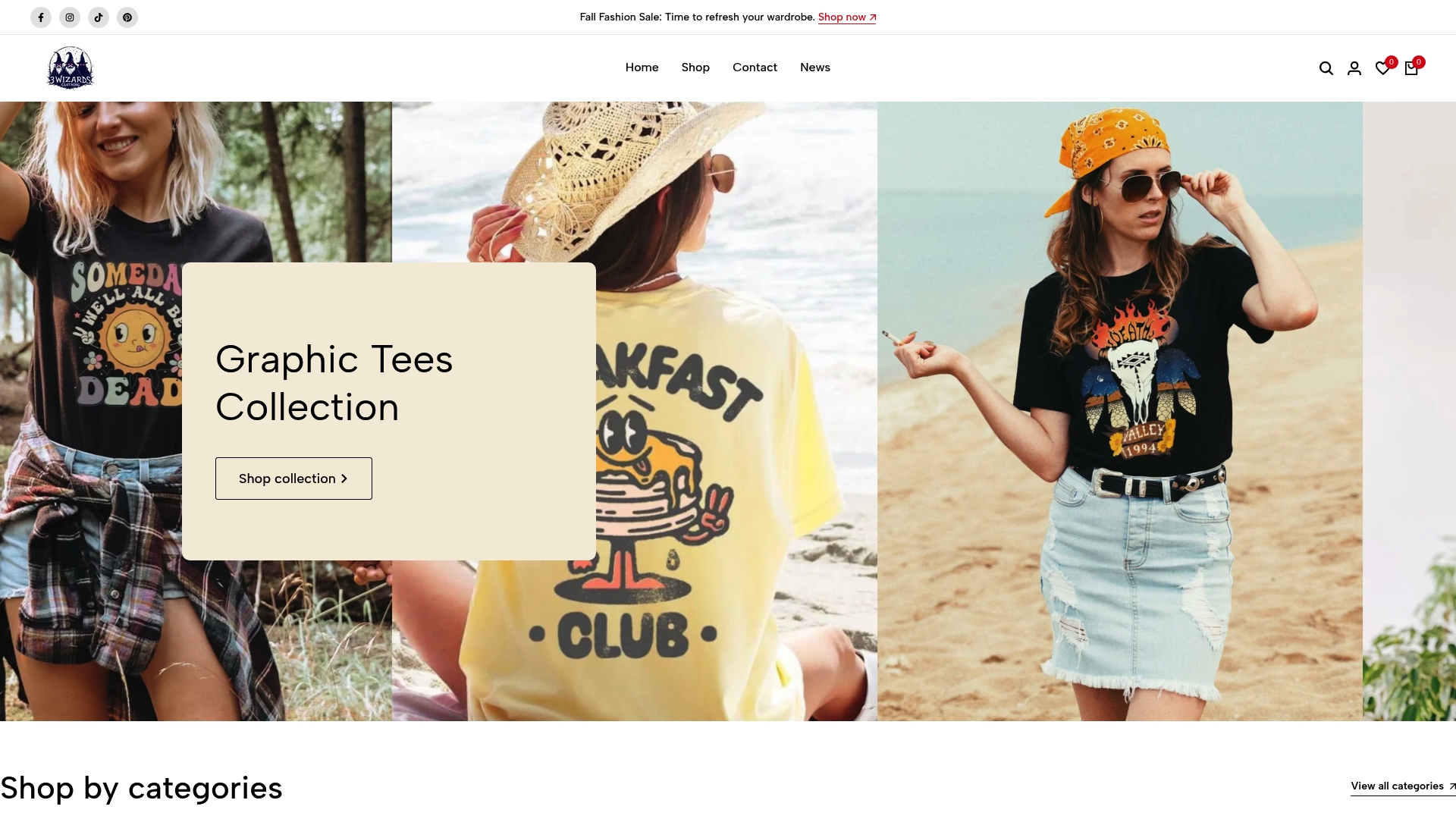
The site’s themed collections rotate regularly, so a design that fits your taste today might not be there next month, which is exactly why the wishlist and comparison tools exist. Save a few favorites, compare fabric and fit side by side, and check out when you’re ready. If sizing feels uncertain, the return policy gives you room to make it right without a headache. Browse the current collection and find the tee that actually matches how you dress, not just what’s trending this week.


