

TL;DR:
- Fashion terminology connects garment design, production, and consumer slang into a unified language that enhances communication. Understanding key terms like silhouette, fit, GSM, and drop culture allows shoppers to select and discuss casual apparel confidently and accurately. Recognizing slang origins such as “slay” and “it’s giving” fosters respect and cultural awareness in fashion conversations.
Trendy clothing terminology is the shared vocabulary that connects garment design, production processes, and consumer slang into one living fashion language. Whether you’re scrolling TikTok, shopping a streetwear drop, or describing your fit to a friend, fashion terminology covers style, silhouettes, production specs, and slang phrases that shape how young adults communicate style. The three categories you need to know are garment and design terms, industry process terms, and consumer slang. Master all three and you stop guessing what people mean and start speaking the language fluently.
What are the key garment and design terms in trendy clothing?
Silhouette is the single most important design word in any fashion conversation. It describes the overall shape of a garment on the body, signaling styling intent and where the eye travels. An oversized hoodie creates a boxy, relaxed silhouette. A fitted graphic tee creates a slim, body-conscious one. The silhouette you choose tells people what kind of energy you’re going for before they read a single word on your shirt.
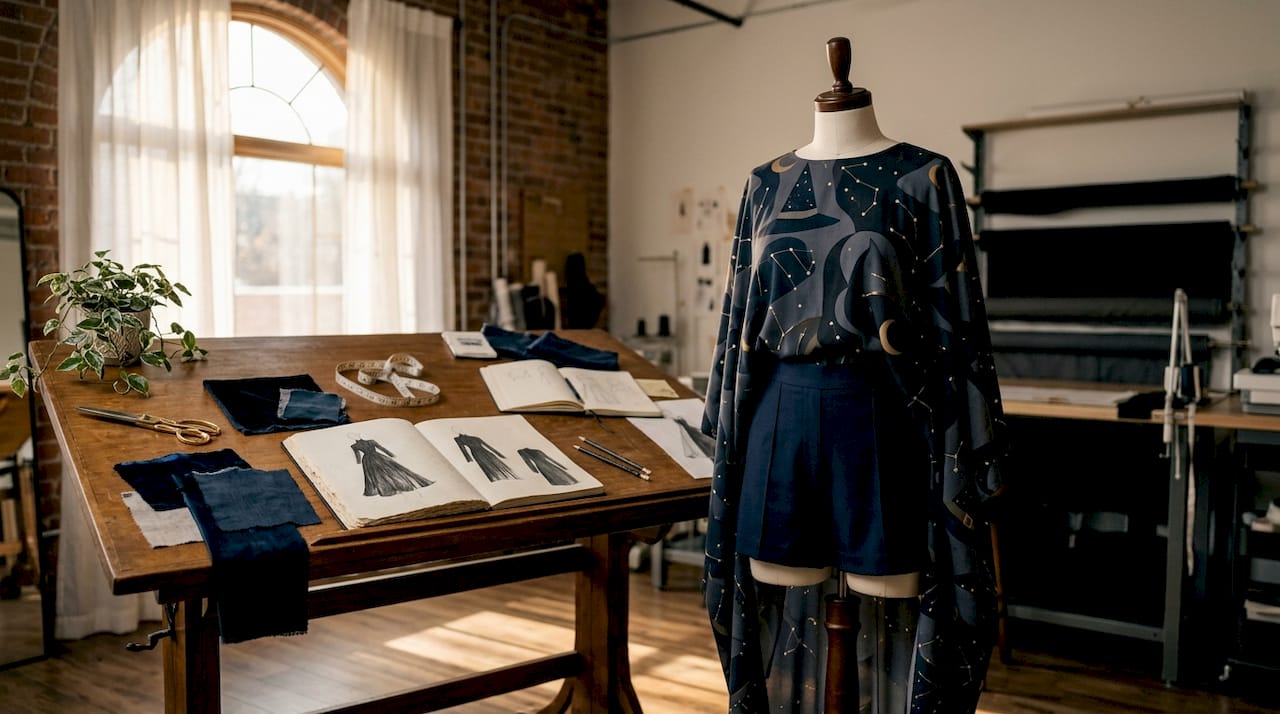
Fit is silhouette’s more precise sibling. Casual conversations use words like “slim,” “relaxed,” or “boxy,” but those adjectives only go so far. In production, fit is anchored to specific measurement points called POM (points of measure) and tolerances, which define exactly how many inches of variance are acceptable at the chest, waist, or hem. When a brand says a tee runs “true to size,” that claim is only meaningful if the POM data backs it up.
Beyond silhouette and fit, a few garment features show up constantly in casual apparel descriptions:
- Neckline: The shape at the top of a garment. Crew neck, V-neck, and scoop neck are the three most common in graphic tees and hoodies.
- Hem: The finished bottom edge of a garment. A raw hem reads edgy and streetwear-adjacent. A clean, folded hem reads polished.
- Seam placement: Raglan sleeves (seams running diagonally from neck to underarm) create a relaxed, athletic look popular in casual tops.
- GSM (grams per square meter): The weight of the fabric. A 180 GSM tee feels lightweight and breathable. A 280 GSM hoodie feels thick and premium.
Fabric vocabulary matters more than most shoppers realize. Fiber content (100% cotton vs. a cotton-polyester blend) directly affects how a graphic print sits on the garment, how the color holds after washing, and how the piece drapes on your body.
Pro Tip: When shopping graphic tees online, check the GSM if it’s listed. Anything above 200 GSM in a tee typically means a heavier, more structured feel that holds its shape and print quality longer.
How do fashion industry and production terms affect what you buy?
The terms used behind the scenes in apparel production directly shape what lands on shelves, in drops, and in your cart. Understanding them turns you from a passive shopper into someone who actually knows why certain pieces sell out in minutes and others sit on clearance racks.
Here are the core production terms worth knowing:
- Style number: A unique code assigned to each garment design. It tracks a product from concept through manufacturing and into retail. When a brand references a restock, they’re pulling that style number.
- Tech pack: The complete technical document for a garment. It includes measurements, materials, construction details, and artwork placement. Think of it as the blueprint a factory uses to build your hoodie.
- Prototype: The first physical version of a garment, built to test design and fit before mass production begins.
- Pre-production sample (PPS): A sample made from the actual production materials to confirm quality before the full run is approved.
- MOQ (minimum order quantity): The lowest number of units a factory will produce per style. High MOQs are why small brands sometimes offer limited runs.
- Lead time: The total time from order placement to delivery. For seasonal graphic apparel, lead times often run 90 to 120 days, which is why fall collections are designed in spring.
The apparel production process involving tech packs, samples, and lead times is what separates a polished product from a rushed one. When brands skip steps, sizing inconsistencies and print misalignments are the result. Clear terminology at every stage reduces sampling errors and keeps the final product aligned with the original design intent.
Streetwear adds its own production vocabulary. A drop is a limited, often surprise product release tied to a specific date and time. Drops create exclusivity and drive demand by restricting availability. Brands like Supreme built entire business models around this mechanic. Understanding drop culture explains why some graphic tees feel like events rather than purchases.
Pro Tip: Follow brand social accounts and enable notifications before a drop date. Most brands announce drops 24 to 48 hours in advance, and the window to purchase often closes within minutes.
What are the most popular fashion slang terms in Gen Z clothing culture?
Fashion slang is where trendy clothing terminology explained meets cultural history. These phrases don’t come from nowhere. The most widely used terms in youth fashion today trace back to Black and LGBTQ+ communities, specifically the ballroom culture of New York City that flourished from the 1970s onward. Using them well means understanding where they came from.
Here are the terms you’ll encounter most in fashion content, comment sections, and style captions:
- Slay: To do something exceptionally well and look amazing doing it. “Slay” originates from Black LGBTQ+ ballroom culture, where performers competed to “slay” a category. TikTok and pop culture brought it mainstream, but the roots are specific and worth acknowledging.
- It’s giving: Describes the vibe or aesthetic energy something radiates. “It’s giving” comes from Black American LGBTQ+ ballroom culture and was popularized through drag shows and TikTok. “This hoodie is giving cozy academia” tells you everything about the aesthetic without listing a single garment detail.
- Fit: Short for outfit. “The fit is clean” means the outfit looks sharp and well-put-together.
- Drip: Refers to a person’s overall style, especially when it’s impressive. High drip means consistently excellent style choices.
- Lowkey / Highkey: Modifiers that signal intensity. “Lowkey obsessed with this tee” means quietly but genuinely into it. “Highkey slay” means obviously and loudly impressive.
Sneaker culture adds its own layer of fashion jargon definitions that crossover into casual apparel conversations. PE (player exclusive) refers to sneakers customized specifically for athletes, never sold to the public. QS (quickstrike) describes rare, quick-release models with limited regional availability. These abbreviations encode not just design but release mechanics and consumer access, linking vocabulary directly to market dynamics.
“It’s giving” and “slay” are not just compliments. They are cultural artifacts from communities that used fashion as a form of survival, resistance, and joy. Using them with that awareness makes you a more thoughtful participant in fashion culture.
You can find more context on how these phrases show up in youth fashion trends and how Gen Z uses them to define style identity in 2026.
How do these terms come together in graphic tees and casual apparel?
Graphic tees are the intersection point where every category of clothing lingo explained above meets in a single garment. The silhouette (oversized vs. fitted), the fabric weight (GSM), the neckline, and the print placement all reflect design decisions made during the tech pack stage. The slang used to describe the finished product on social media completes the loop.
Here’s how the terminology maps across the casual apparel experience:
| Term | Category | How it shows up in graphic tees |
|---|---|---|
| Silhouette | Design | Oversized boxy tees vs. slim fitted cuts signal different style identities |
| GSM | Fabric | Higher GSM means a heavier tee that holds graphic prints with more clarity |
| Drop | Production/Marketing | Limited graphic tee releases create urgency and collector appeal |
| Slay | Consumer slang | Used in captions and comments to validate a graphic tee outfit |
| It’s giving | Consumer slang | Describes the aesthetic energy of a tee, e.g., “it’s giving vintage skate” |
| PE / QS | Streetwear slang | Applied to limited apparel collabs the same way it’s used for sneakers |
The role of graphic tees in youth style is substantial. They function as wearable communication, broadcasting identity, humor, and cultural affiliation in a single image. When you understand the vocabulary around them, you shop smarter, style better, and engage more confidently in fashion conversations online and off.
Seasonal graphic apparel adds another layer. Fall collections, Halloween drops, and themed releases follow the same production timeline logic described above. A brand planning a fall graphic tee drop in October is finalizing tech packs and placing orders in June. Understanding seasonal fashion cycles helps you anticipate when new styles will land and how to plan your wardrobe around them.
Key takeaways
Mastering fashion vocabulary means knowing three distinct layers: design terms that describe what a garment looks like, production terms that explain how and when it’s made, and slang that defines how culture talks about it.
| Point | Details |
|---|---|
| Silhouette and fit are foundational | Every garment conversation starts with shape and how it sits on the body. |
| Production terms explain drop culture | MOQ, lead time, and tech packs determine what gets made, in what quantity, and when. |
| Slang has cultural roots | Terms like “slay” and “it’s giving” come from Black LGBTQ+ ballroom culture and deserve respectful use. |
| GSM signals fabric quality | Higher GSM in tees means heavier fabric that holds prints and shape better over time. |
| Terminology connects design to consumer | Understanding all three layers makes you a sharper shopper and a more fluent fashion communicator. |
Why fashion vocabulary is worth taking seriously in 2026
I’ve spent years watching people get frustrated by fashion content because they don’t recognize the language being used. They see a brand post “dropping a QS collab, it’s giving archival drip” and feel locked out. That frustration is unnecessary, and it’s fixable in an afternoon.
What I find most interesting is that the gap between design vocabulary and consumer slang is actually smaller than it looks. Both exist to communicate precision. A tech pack and a TikTok caption are doing the same job from opposite ends of the supply chain. One tells a factory exactly how to build a hoodie. The other tells a community exactly how that hoodie makes you feel. Neither works without shared language.
The cultural origins of slang terms matter more than most fashion content acknowledges. When “slay” went from ballroom floors to brand marketing copy, something got lost in translation for a lot of people. Knowing the origin doesn’t make you an expert. It makes you a more honest participant in a conversation that was never originally yours to lead. That’s a meaningful distinction, especially in 2026 when fashion communities are more vocal about attribution and respect than ever before.
My practical advice: build your vocabulary in layers. Start with silhouette and fit because those terms apply to every single garment you’ll ever buy. Add production terms when you start following drops or shopping limited releases. Pick up slang organically through the communities where it lives, not from a brand’s marketing deck.
— Josh
Dress the part with 3wizardclothing’s graphic tees
If you’ve just worked through this fashion terminology guide and want to see these concepts in action, 3wizardclothing has exactly what you need. The brand’s graphic apparel puts silhouette, print quality, and seasonal aesthetic into pieces you can actually wear.
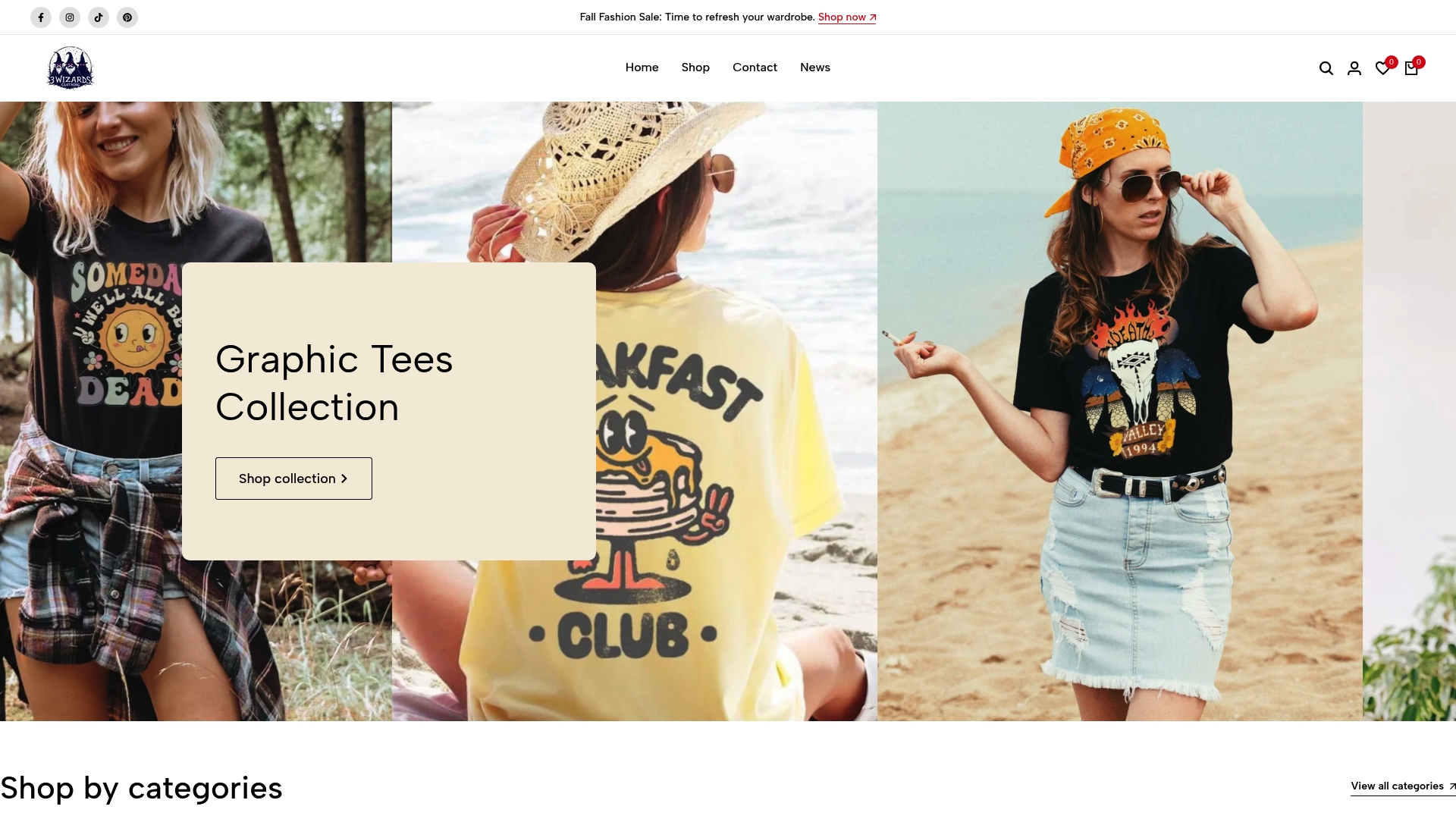
The Hello Autumn Tee and the Autumn Vibes Tee are two standout examples from the current fall collection. Both deliver the kind of cozy, expressive aesthetic that reads “it’s giving warm-season energy” without trying too hard. The prints are clean, the fits are considered, and the seasonal themes hit the exact notes that casual graphic apparel fans respond to. Browse the full collection at 3wizardclothing.com and put your new vocabulary to work.
FAQ
What does “trendy clothing terminology” actually cover?
Trendy clothing terminology covers three categories: garment and design terms (silhouette, fit, GSM), production and industry terms (tech pack, MOQ, drop), and consumer slang (slay, it’s giving, drip). Together they form the complete vocabulary of contemporary fashion culture.
What is a streetwear drop?
A drop is a limited, time-sensitive product release used by streetwear and casual apparel brands to create exclusivity and demand. Most drops sell out quickly because production quantities are intentionally low, often constrained by MOQ.
Where do fashion slang terms like “slay” come from?
“Slay” originates from Black LGBTQ+ ballroom culture, where performers competed to dominate a category with exceptional style and presence. TikTok and mainstream pop culture spread it globally, but its roots remain in that specific creative community.
What does “it’s giving” mean in fashion?
“It’s giving” describes the aesthetic energy or vibe a garment or outfit projects. It comes from Black American LGBTQ+ ballroom culture and is used in captions and comments to capture a style’s overall feeling, for example, “it’s giving vintage streetwear.”
What is GSM in clothing?
GSM stands for grams per square meter and measures fabric weight. A higher GSM means a heavier, more structured fabric. For graphic tees, higher GSM generally means better print quality and longer garment life.
Recommended
- Shop Trendy Graphic Clothing: 68% More Style Satisfaction – 3 Wizard Clothing
- Clothing comparison shopping explained: find trendy styles fast – 3 Wizard Clothing
- Why apparel trends matter for style, fun, and value – 3 Wizard Clothing
- How apparel trends shape your style and self-expression – 3 Wizard Clothing


