

Four fits cover almost every graphic tee you’ll find: classic/regular, slim, relaxed/oversized, and athletic. Here’s the one-line rule: if you want easy comfort and a safe bet, go classic; if you want to show your shape, go slim; if you want a streetwear look, go relaxed or oversized; if you’re built broad through the shoulders and narrow at the waist, go athletic.
That’s the short version. The rest of this guide breaks down each fit type, gives you a three-step way to pick one for your body and lifestyle, and covers the exact seam and sleeve checks that tell you a shirt fits right before you even try it on.
- Classic/regular — straight cut, room through the body, works on nearly everyone
- Slim — tapered at the sides, shows more shape, needs stretch fabric
- Relaxed/oversized — drop shoulder, longer hem, built for layering and streetwear
- Athletic — cut for broader shoulders and a narrower waist, built to move
Jump to the fit-check rules if you already know your fit and just need the measurements right, or keep reading for the full breakdown of what makes each one tick.
Key Takeaways
The right graphic tee fit comes down to matching shoulder seam placement and fabric stretch to your body shape and the look you’re going for.
| Point | Details |
|---|---|
| Four main fits exist | Classic, slim, relaxed/oversized, and athletic each solve a different body and style goal. |
| Shoulder seam is the fastest check | It should sit at your shoulder bone for classic/slim, lower for oversized cuts. |
| Fabric stretch matters most for slim and athletic | Look for elastane or spandex blends around 5 to 10 percent for comfortable movement. |
| Balance proportions when styling | Pair loose tees with fitted bottoms, and fitted tees with looser layers. |
| 3wizardclothing carries all four fits | Its collections list fabric content and measurements across men’s, women’s, unisex, and kids’ sizing. |
Table of Contents
- What Is a Classic or Regular Fit Graphic Tee?
- How Does a Slim Fit Graphic Tee Differ From a Skinny Tee?
- What Makes a Relaxed or Oversized Graphic Tee Work?
- What Defines an Athletic Fit Graphic Tee?
- How Should You Choose a Graphic Tee Fit for Your Body and Style?
- Fit-Check Rules, Sizing Tips, and Common Mistakes
- Styling and Layering: What to Pair With Each Fit
- Why Trust This Guide to Graphic Tee Fit
- Fit Comes Before Style, Not After
- Shop Graphic Tees Built Around These Fits
- Frequently Asked Questions
- Sources
What Is a Classic or Regular Fit Graphic Tee?
A classic or regular fit tee hangs straight from the shoulders with a slight taper at the waist, no dramatic curve in or out. It’s the shirt that shows up when you picture a plain t-shirt in your head, and there’s a reason it’s the default at nearly every apparel brand: it works on the widest range of body types with the least amount of guesswork.
Midweight cotton, typically a medium-weight fabric that pairs well with this fit. The fabric has enough structure to hold the shirt’s shape without clinging, and it drapes evenly whether you’re broad, narrow, tall, or short. Standard jersey knit is the go-to construction because it’s forgiving of small size mismatches. You won’t get a bad fit from being half an inch off in either direction.
Classic fit makes the most sense if you’re buying for a group, ordering a gift, or just want a tee that works with everything in your closet without a second thought. It’s also the safest call if you’re shopping online and unsure how a brand’s other fits run, since regular fit is described as the traditional straight cut suitable for most body types across nearly every men’s sizing chart.
- Shoulder seam sits right at the edge of your shoulder bone
- Chest has an inch or two of breathing room, not stretched tight
- Hem lands around the top of your hip
Pro Tip: Classic fit cotton tees shrink slightly after the first wash, usually around 3 to 5 percent. If a tee fits snug fresh out of the package, expect it to feel a little tighter after laundering.
How Does a Slim Fit Graphic Tee Differ From a Skinny Tee?
Slim fit tapers gradually from the chest to the waist, following your natural shape without hugging it the way a skinny or fitted tee does. Think of slim as “tailored casual” and skinny as “compression tight.” The difference matters because a lot of shoppers grab slim expecting classic-level comfort and end up disappointed, or grab skinny expecting slim’s easier movement and feel restricted.
Stretch and recovery make or break a slim cut. A cotton and elastane blend, usually somewhere around 95/5 or 90/10, lets the fabric move with you and snap back into shape instead of bagging out at the elbows and lower back after a few wears. Fabric recovery and stretch dramatically affect comfort and appearance in slim and athletic fits, so checking the fabric content before buying matters more here than with any other fit.
Slim fit tends to favor lean or athletic builds since it follows the body’s contours closely, but it’s not exclusive to that body type. If you carry more weight through the midsection, sizing up one size from your usual classic-fit size often solves the problem without sacrificing the tailored look through the shoulders.
- Reach your arms overhead. If the hem yanks up past your waistband, size up.
- Sit down and check the tightness across your back.
- Tug the sleeve hem. Stretch fabric should give slightly and return to shape.
Pro Tip: If you’re between sizes on a slim fit, size up rather than down. A slightly loose slim tee still reads as intentional; a too-tight one reads as a mistake.
What Makes a Relaxed or Oversized Graphic Tee Work?
Relaxed and oversized fits are built around extra room, not a mistake in sizing. You’ll spot them by a drop shoulder seam that sits below your actual shoulder point, a longer hem that often falls past the hip, and wider sleeves that hang loose instead of hugging the arm. LL Bean’s fit guides describe this kind of cut as “relaxed through the chest,” which is the exact sensation you’re going for: room to move without the shirt looking baggy in the wrong places.
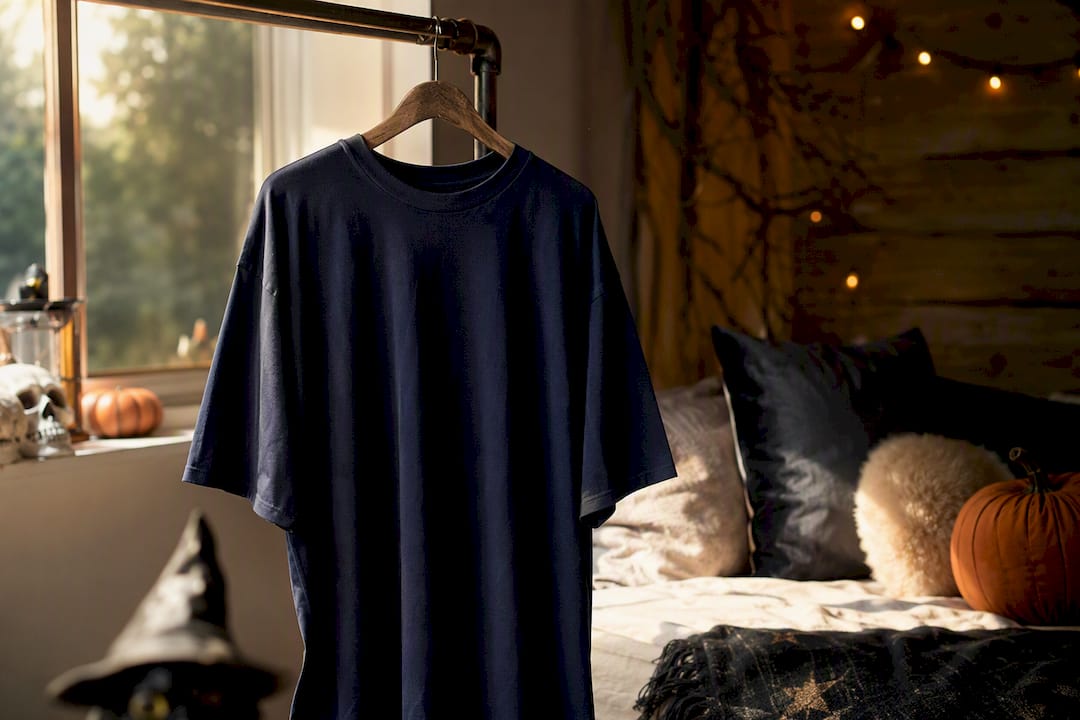
The trick to wearing oversized well is contrast. Pair a wide, boxy tee with slimmer bottoms, whether that’s tapered joggers, straight-leg jeans, or slim chinos, so the volume up top doesn’t turn into volume everywhere. An oversized tee with baggy shorts or wide-leg pants reads as one shapeless silhouette instead of a styled look.
Fabric weight matters more here than in any other fit. A heavier cotton, closer to 6.5 ounces and up, or a structured knit holds the shirt’s drape and prevents it from collapsing into a shapeless sack. Thin, lightweight cotton on an oversized cut tends to look like laundry rather than a fit choice.
- Drop shoulder seam should sit an inch or two below your actual shoulder
- Hem length falls mid-hip to upper thigh, not past your fingertips
- Sleeves hang loose but don’t swallow your whole forearm
Check that the shoulder seam placement is intentional, not just a size-up accident. That one detail separates a deliberate oversized look from a shirt that’s simply too big.
What Defines an Athletic Fit Graphic Tee?
Athletic fit is built around a specific body shape: broader through the shoulders and chest, narrower at the waist. Athletic fit clothing is designed for broader shoulders and a narrower waist, which is the opposite silhouette problem regular fit solves for. If you’ve ever bought a regular tee that fit your shoulders but hung loose everywhere else, athletic fit is probably the answer.
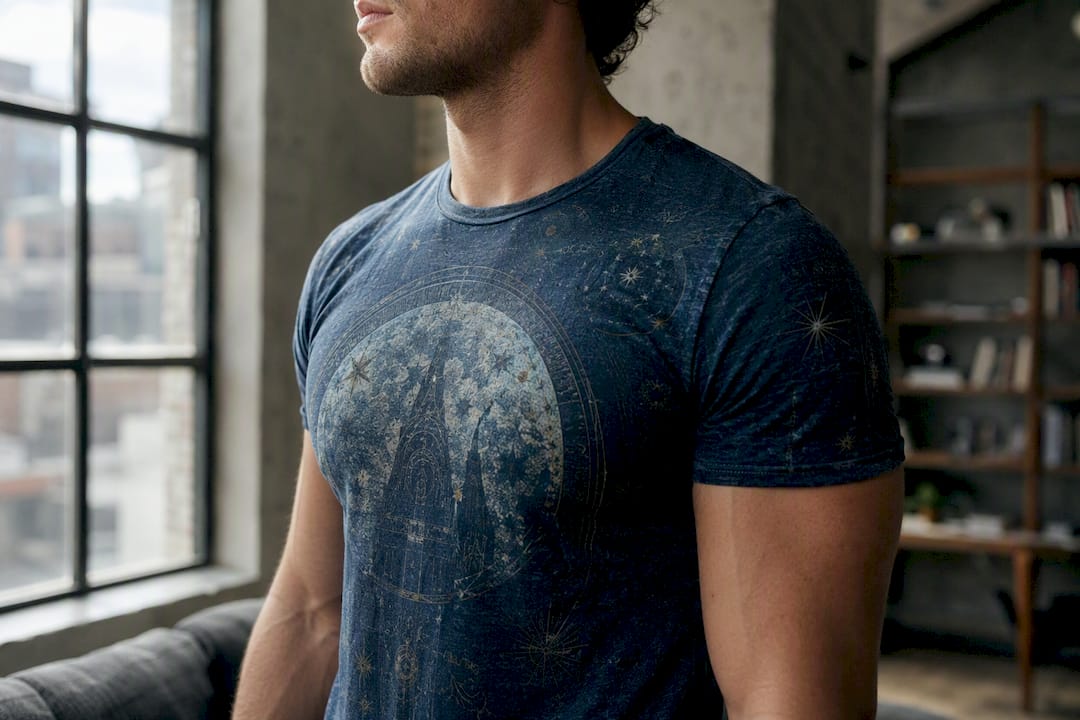
Construction details set athletic fit apart from a slim cut. A higher armhole reduces excess fabric bunching under the arm, and many athletic tees use a four-way stretch fabric or added spandex to move with lifting, reaching, and everyday activity without restricting range of motion.
Athletic fit works best for active wear, gym sessions, and anyone who wants to show a V-shaped upper body without going full compression. It’s not the right call if you carry weight evenly through your midsection or prefer more room to move without feeling the fabric track your every motion.
- Try reaching overhead and across your chest before buying
- Check for a stretch fabric blend, not pure cotton
- The waist should taper but never pull or pucker when you sit
How Should You Choose a Graphic Tee Fit for Your Body and Style?
Picking the best fit for graphic tees comes down to matching what you want the shirt to do with a fit built for that job. Comfort-first shoppers usually land on classic. People who want to show their shape lean slim or athletic. Streetwear fans go oversized. Here’s how to work through it in three steps.
- Measure your shoulder width, chest circumference, and torso length. Use a soft tape measure and compare against the brand’s size chart rather than guessing off your usual shirt size, since fit runs differently across labels.
- Match your measurements to a fit archetype. Broad shoulders and a narrower waist point toward athletic. A straight, even build works with almost any fit. If you want extra room specifically for a streetwear look, size up intentionally into relaxed or oversized rather than just grabbing a bigger classic tee.
- Factor in the occasion. A work-adjacent casual environment usually calls for classic or slim in a clean solid color layered with a graphic. Festivals and weekend hangouts are where oversized and bold graphics shine. Gym and active settings call for athletic fit almost by default.
Different goals point toward different fits. Hiding a midsection usually means classic or relaxed, not skinny. Highlighting a lean, built frame usually means slim or athletic. Chasing comfort above all else means classic, full stop. Chasing a trend, especially a Y2K or vintage streetwear look, means oversized.
Shopping online adds a layer of guesswork, so run through this quick checklist before you check out:
- Look for the fabric percentage breakdown, not just “cotton blend”
- Check the model’s height and the size they’re wearing in product photos
- Find the brand’s actual measurement chart, not just S/M/L labels
- Look for a shoulder seam photo or flat-lay shot if the listing has one
Pro Tip: If a size chart lists “chest width” instead of “chest circumference,” double that number. Chest width usually measures the garment laid flat, so it’s half the actual circumference.
Our T-shirt sizing guide walks through exact measurement steps if you want more detail than the checklist above.
Fit-Check Rules, Sizing Tips, and Common Mistakes
Three physical checks tell you almost everything about whether a shirt matches its intended fit, and none of them require trying the shirt on: shoulder seam placement, sleeve length, and hem length.
The shoulder seam rule is the fastest gut check. On a classic or slim tee, the seam should sit right at your shoulder bone. On oversized or relaxed fits, it drops an inch or more down your arm on purpose. If a “classic” tee’s seam falls well past your shoulder, you’re actually looking at a relaxed cut mislabeled, or you’ve grabbed a size too large. Checking shoulder seam and hem placement against your body’s own measurements is one of the fastest ways to confirm a fit before committing to a purchase.
Sleeve length should hit mid-bicep on classic and slim fits, sit slightly longer on athletic cuts to accommodate a bigger arm, and hang looser and longer on oversized styles. Hem length follows the fit too: classic hits around the top of the hip, slim and athletic sit similarly or slightly higher, and relaxed or oversized runs from mid-hip down to upper thigh.
- Shoulder seam at the shoulder bone for classic/slim, an inch or more down the arm for oversized
- Sleeve hem at mid-bicep for classic/slim, slightly longer for athletic, looser for oversized
- Hem at hip level for classic/slim/athletic, mid-hip to thigh for oversized
If you’re between sizes, fabric changes the equation.
Styling and Layering: What to Pair With Each Fit
Slim tees work best under a blazer or open button-down, since the tapered shape doesn’t add bulk under a layered piece. Classic tees pair naturally with dark denim and a casual jacket, no overthinking required, which is part of why it’s such a reliable everyday pick. Oversized tees look most intentional with slim joggers, straight-leg jeans, or tapered chinos, since the contrast keeps the whole outfit from reading as sloppy.
Layering rules shift depending on fit. A slim or classic tee should sit flat and close under an open shirt or light jacket without bunching at the shoulders. An oversized tee, on the other hand, should peek out slightly at the hem and cuffs when layered, since that visible contrast is part of the look rather than a flaw to hide.
Footwear ties the whole outfit together more than people expect. Classic and slim tees pair well with clean sneakers or boots for a put-together casual look. Oversized fits lean into chunkier sneakers or boots that match the shirt’s proportions instead of getting visually lost under all that fabric.
- Slim tee + open button-down or blazer = smart-casual without trying hard
- Classic tee + dark denim + jacket = the reliable everyday combo
- Oversized tee + slim joggers or tapered pants = balanced streetwear silhouette
- Athletic tee + performance shorts or joggers = built for actual movement
The proportion rule underneath all of this: if the top half is loose, balance it with something fitted on the bottom, and vice versa. Two loose pieces stacked together usually just reads as oversized clothing, not a styled outfit. Our guide on men’s casual fashion tips covers more specific combinations if you want a deeper dive into pairing graphic tees with the rest of your wardrobe. For a different styling perspective, Dan Flashes’ take on casual graphic shirts offers additional outfit ideas worth checking out.
Why Trust This Guide to Graphic Tee Fit
This guide draws on 3wizardclothing’s own product fit testing across its men’s, women’s, and unisex graphic tee lines, along with the fit and sizing standards used across the wider apparel industry. Josh, who covers fit and style for 3wizardclothing, put this breakdown together from that testing plus the sizing frameworks referenced throughout this article.
Internal customer data from 3wizardclothing shows that 53% of shoppers browsing graphic tees skew toward a younger, style-conscious audience actively comparing fit options before buying, not just graphic designs.
- Fit recommendations are informed by 3wizardclothing’s own product measurements and customer sizing patterns
- Our guide to choosing graphic tees for unique style expands on matching fit to personal taste
- Customer testimonials and additional proprietary fit data are being compiled for future updates to this guide
Fit and fabric quality shape how a graphic tee actually looks and feels far more than the print does, which is exactly why we test fit before we test artwork.
Fit Comes Before Style, Not After
That’s backward. A great graphic on a badly fitting shirt looks like a badly fitting shirt with a picture on it. Nobody compliments the print on a shirt that doesn’t sit right.
The conventional wisdom to “just size up if you’re not sure” is genuinely bad advice more often than not. Sizing up on a classic tee usually works fine. Sizing up on a slim or athletic cut just gives you a shapeless version of a fit that’s supposed to have shape, which defeats the entire point of choosing that cut in the first place.
If you take one thing from this guide, prioritize the shoulder seam check over every other measurement. It’s the single fastest way to tell whether a shirt matches the fit it claims to be, and it takes about three seconds once you know what you’re looking for. Everything else, sleeve length, hem placement, fabric stretch, refines the fit from there.
Shop Graphic Tees Built Around These Fits
3wizardclothing carries graphic tees across classic, slim, relaxed, and athletic fits, so you’re not stuck guessing whether a “regular” listing actually matches the classic silhouette described above. The advantage over piecing together fit info from a dozen different brand size charts is simple: one place, one consistent sizing standard, across men’s, women’s, unisex, and kids’ collections.

Whether you’re after a nerdy graphic in a slim cut for layering under a jacket, or a bold seasonal design in an oversized fit for a Halloween outfit, the product pages at 3wizardclothing list fabric content and measurements so you can apply the checks from this guide before you buy. Browse the current collections and check the size chart against your own measurements before adding one to your cart.
Frequently Asked Questions
What’s the difference between classic fit and athletic fit graphic tees?
Classic fit uses a straight cut that works evenly across most body shapes, while athletic fit is tailored for broader shoulders and a narrower waist with added stretch fabric for mobility.
Should I size up for a slim fit graphic tee?
Size up if you’re between sizes or want more room through the midsection while keeping the tapered shoulder and sleeve shape. A slightly loose slim tee still looks intentional; a too-tight one doesn’t.
How do I know if a graphic tee is oversized or just the wrong size?
Check the shoulder seam. An intentional oversized fit drops the seam an inch or more below your actual shoulder. If the seam sits at your shoulder but the body is baggy everywhere else, you likely grabbed the wrong size.
What fabric works best for a relaxed or oversized graphic tee?
Heavier cotton, roughly 6.5 ounces per square yard or more, or a structured knit holds the shirt’s drape and keeps an oversized fit looking deliberate instead of shapeless.
Can one graphic tee fit work for every occasion?
Classic fit comes closest to an all-purpose option since it pairs with dark denim, layers under jackets, and reads as appropriate in most casual settings. Athletic, slim, and oversized fits work better for specific contexts like the gym, tailored layering, or streetwear looks.
Sources
- The Complete Guide to T-Shirt Fit Types for Brands & Buyers - Fexwear
- What is the Difference Between Athletic Fit and Regular Fit? – NORTHYARD Sports & Casual Clothing
- Our Complete Custom T-shirt Sizing Guide: For Everyone & Every T-shirt Style - Custom Ink Blog
- LL Bean fit guides (fit descriptions)


