

Pick one anchor outfit, pull three to four colors from it, and shop everything else around those tones across a three-week window. That is the whole workflow for trendy family outfits in one sentence. The rest is execution.
Here is your instant checklist before you read further:
- Choose an anchor piece (usually Mom’s outfit) and photograph it in natural light
- Extract two neutrals and one to two accent colors from that piece
- Assign each family member a role: anchor, neutral base, or accent
- Order or buy everything within a few weeks in advance; try on as a group with enough time to adjust
- Lay all outfits flat the night before and check for fit, color, and accessories
Trendy does not have to mean complicated. The families who look best in photos usually wear comfortable, slightly elevated versions of what they already own, coordinated by tone rather than matched exactly.
Key Takeaways
The anchor-first, three-to-four color palette workflow is the most reliable approach to coordinated family photos that look trendy without feeling forced.
| Point | Details |
|---|---|
| Start with one anchor outfit | Choose a piece you love, photograph it in natural light, and extract your full palette from it. |
| Use neutrals as the base | Two neutrals plus one to two accents keeps the group cohesive without making everyone match. |
| Follow a three-week timeline | Buy the anchor first, fill-ins by week two, full group try-on by week one, lay out the night before. |
| Run a trial photo test | Take a group phone photo outdoors one week out to catch color clashes and fit issues early. |
| 3wizardclothing fills the gaps | Graphic tees and hoodies in neutral base colors slot into your palette and add personality without disrupting cohesion. |
Table of Contents
- What does a step-by-step workflow for trendy family outfits actually look like?
- How do you choose a color palette that photographs well?
- Why should you pick an anchor outfit first?
- Which fabrics and patterns read best on camera?
- How do you shop efficiently and handle alterations on time?
- How do you keep kids comfortable and get reluctant family members on board?
- Six seasonal outfit combos that feel trendy and timeless
- How do you run a trial photo test before the shoot?
- How do you match outfits to your photographer’s style and shoot location?
- The part of outfit planning most families skip
- Graphic pieces that fit your palette, ready to shop
- Sources
What does a step-by-step workflow for trendy family outfits actually look like?
The workflow breaks into six moves, each tied to a time window. Emily Belson’s planning framework maps this cleanly: choose your palette three weeks out, fill gaps two weeks out, do a full try-on one week out, and lay everything out the night before.
| Time window | Action | Notes |
|---|---|---|
| 3 weeks out | Choose anchor outfit and extract palette | Photograph anchor in natural light |
| two to three weeks out | Source fill-in pieces for each family member | Use style boards or wishlists to track options |
| two weeks out | Order online pieces; shop in-person for kids | Leave room for exchanges or alterations |
| one week out | Full group try-on and phone-photo test | Check color harmony and fit together |
| Day before | Lay all outfits flat; steam, prep accessories | Confirm shoes, belts, hair accessories |
Style & Select’s style boards are worth bookmarking at the three-week mark. Sending a shoppable board to your partner or older kids cuts the back-and-forth by a significant margin and keeps everyone working from the same visual reference. For more on building cohesive family looks, the 3wizardclothing blog walks through practical pairing ideas.
How do you choose a color palette that photographs well?
Julien Kibler’s recommendation is the clearest in the industry: pick three to four colors, anchor them in neutrals, and let one or two accents carry the personality. That structure works because neutrals recede on camera while accents draw the eye without competing.
Palette combos that consistently read well in photos:
- Cream, warm taupe, dusty sage, terracotta — works for fall fields or golden-hour parks
- White, navy, soft denim, tan — clean for beach or urban backdrops
- Ivory, blush, mauve, warm gray — flatters a wide range of skin tones; great for studio or floral settings
- Oatmeal, rust, forest green, camel — rich for autumn foliage or wooded locations
- Soft gray, pale blue, white, charcoal — cool and modern; reads well against brick or concrete
Avoid neons, bright red, and anything with large text or logos. Those elements pull focus straight to the clothing and away from faces, which is the opposite of what you want. Kaytlin Lane Photography specifically flags neons and large logos as the two most common mistakes families make.
Pro Tip: Test your palette under natural outdoor light before the shoot. Colors shift dramatically between indoor artificial light and afternoon sun. Hold the pieces next to each other outside and take a quick phone photo to check for unexpected color casts.
Why should you pick an anchor outfit first?
Starting with one piece you genuinely love removes most of the decision fatigue. AndSoIDontForget’s styling guide puts it plainly: begin with one outfit you love, build a palette around it, and use neutrals to ground the rest of the group. The anchor sets the tone, the formality level, and the color story all at once.
The method works like this. Choose the anchor, typically Mom’s dress or a standout patterned piece, and photograph it against a white wall in natural light. Identify the dominant color, one or two secondary tones, and any accent. Those become your palette. Everyone else gets assigned a role: one person mirrors the dominant tone, others pull from the secondary or accent colors, and at least one person wears a clean neutral to give the eye a resting point.
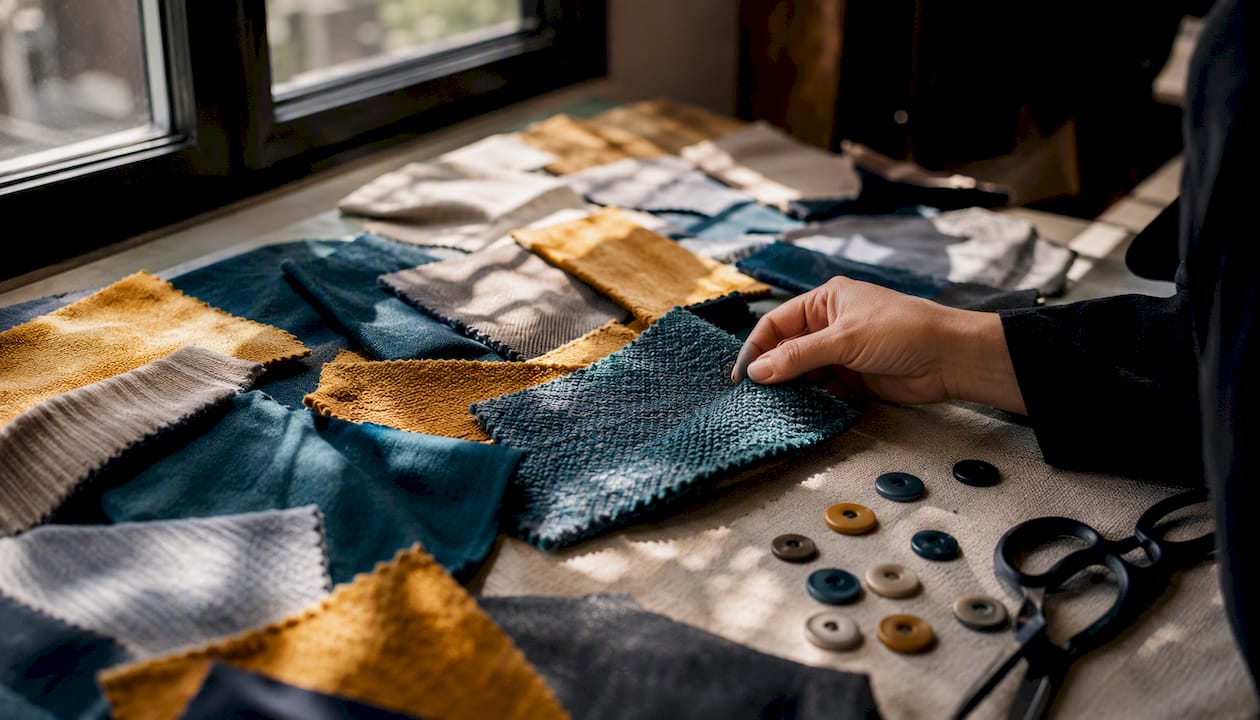
A practical example: a floral dress with dusty blue, cream, and a hint of rust. Dad wears dusty blue chinos with a cream linen shirt. The older kid gets a rust-toned top with tan pants. The toddler wears cream with a small dusty blue detail. Nobody matches exactly, but every piece connects back to the dress.
Which fabrics and patterns read best on camera?
Camera-friendly fabrics share one trait: they hold their shape and color without creating visual noise.
- Linen and linen blends — natural texture reads beautifully; slight wrinkles add depth rather than distraction
- Cotton jersey — moves well for kids, photographs clean, breathes in warm weather
- Knit textures — chunky knits add dimension in fall and winter shots without competing with faces
- Chambray and soft denim — versatile across seasons; pairs easily with both neutrals and accents
Pattern guidance is simpler than most people expect. One patterned piece per family is usually the ceiling. That piece should have a medium-to-large scale print, not a tiny busy check or micro-stripe, both of which create a moiré effect on camera. The rest of the group wears solids that pull from the pattern’s colors.
Avoid: neon or fluorescent tones, large brand logos, overly shiny or metallic fabrics, and anything with reflective embellishments. Shiny materials catch light unpredictably and can blow out in photos. Themed apparel for families can absolutely work when the graphic is small and the surrounding palette is neutral.
Pro Tip: Layer for depth. A denim jacket over a solid tee, or a cardigan over a dress, adds visual interest without adding a new color. Layering also gives kids something to remove if they get warm, which keeps comfort high throughout the shoot.
How do you shop efficiently and handle alterations on time?
Minted’s seasonal guidance and Kaytlin Lane Photography both land on the same number: start two to three weeks before the shoot. That window gives you time to order online, receive items, assess fit, and still get alterations done if needed.
For shopping efficiency, build a shared wishlist or style board first. Filter by color on retail sites rather than browsing by category. That single habit cuts shopping time significantly because you are working from your palette, not from a general browse. When pieces are hard to find in the right tone, a neutral substitute almost always works better than forcing an off-palette color.
How do you keep kids comfortable and get reluctant family members on board?
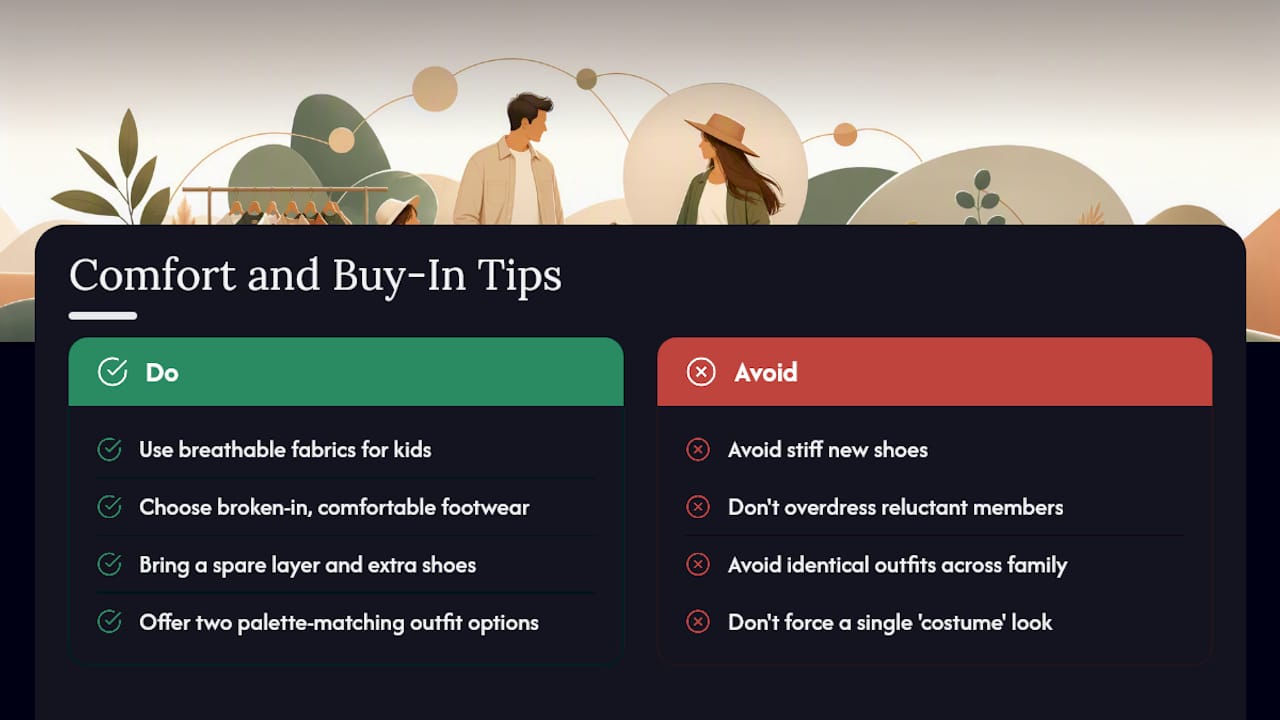
Comfort is not a soft concern. A child who is overheated, itchy, or wearing stiff new shoes will show it in every photo. Breathable fabrics and broken-in footwear are non-negotiable for kids. Bring a spare layer for outdoor shoots where temperatures drop, and pack a change of shoes for toddlers who may refuse theirs after twenty minutes.
For teens and reluctant partners, the two-option rule works consistently. Present two outfits that both fit the palette and let them choose. Giving someone a real choice within the constraints makes them feel heard and dramatically reduces resistance. Catherine Chamberlain’s extended-family styling guidance reinforces this: avoid identical outfits and let each person’s piece reflect their own aesthetic within the shared palette.
A reluctant teen who loves their jeans can wear them with a dress shirt in the palette color. A partner who hates “dressed up” can wear a well-fitted solid tee in the right tone. Small trade-offs like these keep the group cohesive without making anyone feel like they are wearing a costume. For more on why families choose fun clothing that reflects their personality, that piece is worth a read.
Six seasonal outfit combos that feel trendy and timeless
These are ready-to-adapt starting points, not rigid prescriptions. Each one is built around the anchor-first palette method.
- Spring: Floral midi dress (anchor) + dusty blue chinos + cream cardigan + white sneakers. Add a small floral clip for toddlers to echo the anchor.
- Summer: White linen dress (anchor) + navy shorts + tan linen shirt + woven sandals. Keep accessories minimal; let the clean palette breathe.
- Fall: Rust-toned wrap dress (anchor) + camel chinos + forest green henley + tan boots. A chunky knit cardigan for the toddler ties the warmth together.
- Winter: Ivory cable-knit sweater dress (anchor) + charcoal trousers + soft gray turtleneck + dark brown boots. Plaid scarf in ivory and charcoal for the teen adds texture without a new color.
- Urban/modern: Olive utility jacket (anchor) + white tee + black slim pants + white sneakers. Works for brick walls, murals, or downtown backdrops. Graphic tees in white or black for kids mix easily with solids here.
- In-home/cozy: Soft sage matching set (anchor) + cream knit sweater + oatmeal joggers + bare feet or matching socks. Relaxed formality that reads warm and genuine on camera.
For plus-size or petite family members, the palette stays identical. Adjust silhouette rather than color: wrap styles and A-lines work across body types, and layering creates proportion without changing the color story.
How do you run a trial photo test before the shoot?
Put every family member in their full outfit, including shoes and accessories, and walk around for ten to fifteen minutes. Kids especially need that wear test to reveal whether something itches, restricts movement, or simply will not stay on. A shirt that looks fine on a hanger can feel completely different after five minutes of running.
After the wear test, take a group photo outside near neutral light, not direct midday sun. Review the photo on your phone and look for three things: color casts (does anyone’s outfit make their skin look washed out?), pattern clashes (do two pieces fight each other?), and silhouette blending (do any two people’s outfits merge into one visual blob?). If you spot any of those, you still have time to swap a piece before the shoot.
How do you match outfits to your photographer’s style and shoot location?
Ask your photographer these questions before finalizing anything:
- Do you have a preferred palette or any colors that clash with your editing style?
- Are there patterns or fabrics you would steer us away from?
- What formality level fits the location and your typical session vibe?
- Will the backdrop be light, dark, or mixed? Should we lean warm or cool?
Location shapes the palette more than most parents expect. A beach shoot calls for lighter, airy tones; a wooded fall setting absorbs warm earth tones beautifully. Urban backdrops with brick or concrete tend to favor cool neutrals and clean lines. Indoor sessions give you more control but require checking how your colors read under the photographer’s lighting setup.
Location alignment checklist:
- Field or meadow: warm neutrals, earth tones, avoid white (it blows out in bright sun)
- Beach: white, navy, tan, soft coral; avoid dark heavy fabrics that absorb heat
- Urban/street: cool grays, black, white, olive; graphic pieces work well here
- In-home: soft, muted tones; avoid busy patterns that compete with interior details
- Wooded/fall: rust, camel, forest green, cream; lean into texture and layering
The part of outfit planning most families skip
Most families spend the most time on what to buy and almost no time on how the outfits will actually feel on the day. That is where the photos go sideways. A kid in stiff new shoes or a partner who hates their shirt will telegraph that discomfort in every frame, no matter how well the palette works.
The anchor-first method solves the buying problem efficiently. But the trial run, the ten-minute wear test, and the phone-photo check the week before are what actually protect the shoot. Photographers prioritize authentic connection over perfectly matched clothing. Coordinated charm, not uniformity, is what produces the photos families print and hang on walls.
Graphic pieces, including a fun themed tee from 3wizardclothing, can absolutely earn a place in a coordinated look when the surrounding palette is neutral and the graphic is small. The mistake is treating graphic apparel as incompatible with cohesion. A well-chosen graphic tee in the right base color is often the piece that gives a family’s photos the most personality.
Graphic pieces that fit your palette, ready to shop
The hardest part of the workflow is usually finding fill-in pieces that match your palette without requiring a full shopping day. 3wizardclothing’s graphic tees, hoodies, and tanks come in neutral-friendly base colors across men’s, women’s, and kids’ categories, which means you can pull an anchor-compatible piece without hunting through dozens of options.
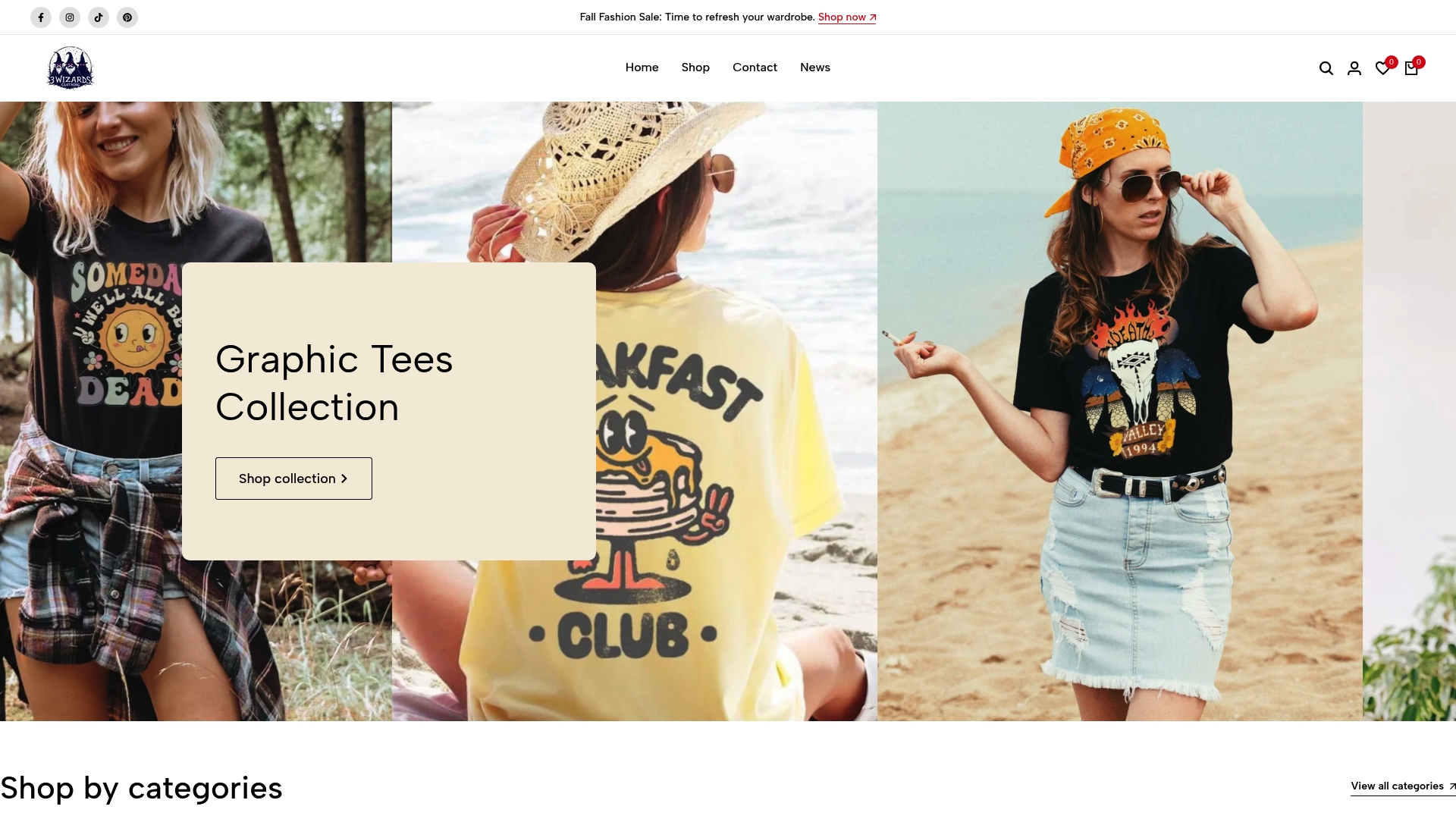
A typical use case: you have locked in a cream and dusty blue palette. The kids need something that fits the neutral side without being boring. A graphic tee in a cream or white base with a small, personality-forward design keeps the palette intact and gives the kids something they will actually want to wear again. Browse the 3wizardclothing collection to find pieces that slot into your palette and reflect your family’s personality, then build the rest of the group’s outfits around them.
Sources
The planning framework in this article draws on photographer-backed guidance from Kaytlin Lane Photography, Julien Kibler, Emily Belson, and Catherine Chamberlain, alongside seasonal outfit guidance from Minted and practical styling notes from AndSoIDontForget. For visual planning and shoppable style boards, Style & Select is a practical starting point for families who want to coordinate multiple outfits quickly before committing to purchases.
- What to Wear for Family Photoshoot | Kaytlin Lane Photography
- Family Photo Outfits: Ideas for Picture-Perfect Sessions - Julien Kibler
- Family photo outfit tips and holiday looks | Minted
- Style & Select – Family photo outfit style boards
- What to Wear for a Family Photoshoot | And So I Don’t Forget
- Creating a Cohesive Look: Tips for Styling Your Extended Family Session | Catherine Chamberlain
- 5 Easy Steps to Plan Cohesive Family Photo Outfits + Fall Outfit Inspo | Emily Belson
Recommended
- Family Matching Outfit Ideas for Photos That Actually Work – 3 Wizard Clothing
- The Role of Family-Friendly Fashion in Modern Family Life – 3 Wizard Clothing
- Guide to themed apparel for families and trendsetters – 3 Wizard Clothing
- How to Shop Trending Clothes: A Smart Style Guide – 3 Wizard Clothing


