

TL;DR:
- Personalizing casual wear allows individuals to express their unique style and achieve better fit and comfort. Custom garments last longer, reduce waste, and foster emotional attachment, making them more sustainable. Digital tools make personalizing clothing accessible and satisfying without needing a tailor or design experience.
Personalizing casual wear means customizing garments to reflect your unique style, fit, and personality rather than settling for what mass production decides you should wear. 34% of Millennials now prioritize customized apparel to align with their personal values and identity. That number signals a real cultural shift. Young adults are rejecting the idea that fashion should be one-size-fits-all, and the reasons why personalize casual wear has become such a defining question go far deeper than aesthetics.
Why personalize casual wear for fit, comfort, and confidence
Custom-fit garments solve a problem that off-the-rack clothing never fully addresses: the human body does not come in standardized sizes. A shirt that fits your shoulders perfectly may pull across the chest. Pants that sit right at the waist may bunch at the thighs. These small fit failures add up to daily discomfort and constant wardrobe frustration.
Bespoke casual wear grants what tailoring professionals call “functional freedom.” This means garments move with your body instead of against it, removing the physical and mental distraction that comes from ill-fitting clothes. When you stop tugging at your hem or adjusting your collar, you carry yourself differently. That shift in posture and ease is a direct confidence boost.
The financial argument for personalized fit is also stronger than most people realize. Custom clothing eliminates recurring alteration expenses, saving $75–$300 per item in tailoring costs over a 3–5 year period. The upfront cost feels higher, but the math works out clearly in your favor over time.
- Precise measurements eliminate fabric stress at seams and stress points
- Tailored silhouettes highlight your best features instead of hiding them
- Correct sleeve and inseam lengths prevent the “borrowed clothes” look
- Fit-matched fabric weight ensures the garment drapes naturally on your frame
Pro Tip: Start with one high-wear item like a hoodie or a graphic tee. Getting that single piece fitted to your measurements teaches you exactly what to look for in every future purchase.
How does personalization express your identity through clothing?
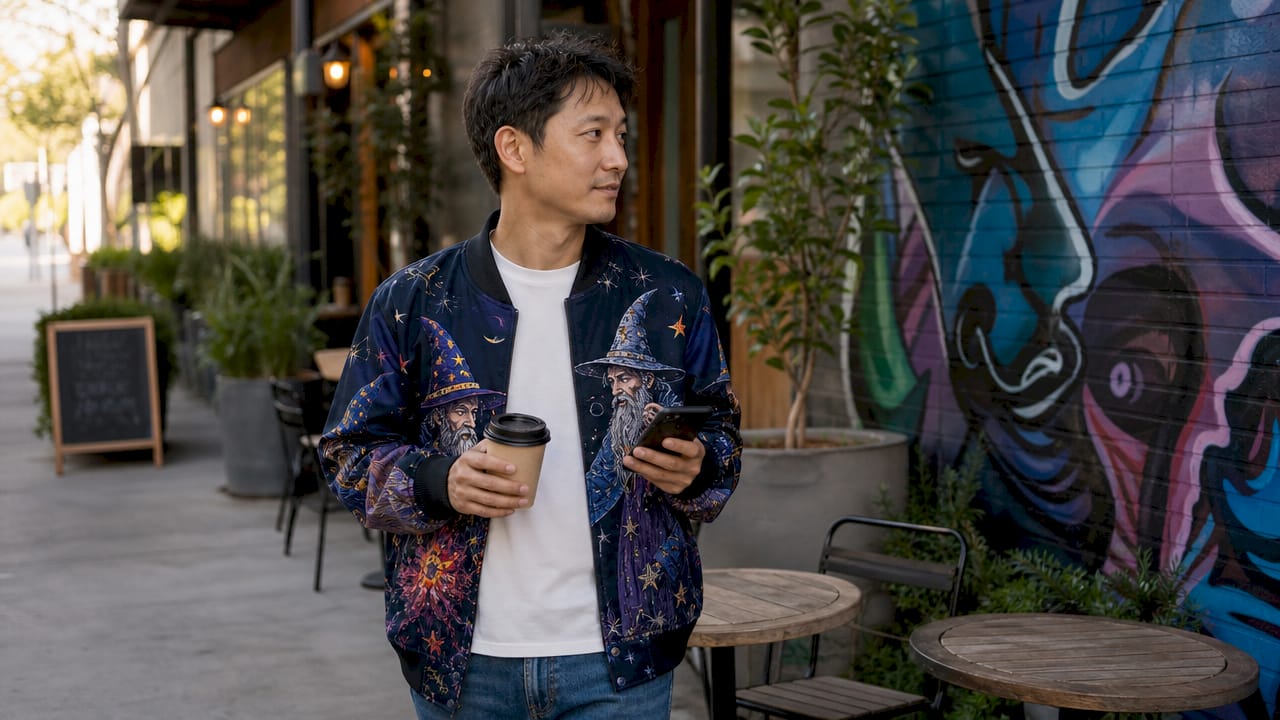
Personalization is a communication tool, not just a style preference. The collapse of universal trend cycles means fashion no longer moves in one direction. Instead, micro-aesthetics tied to subcultures, fandoms, and personal values now drive what people wear. Graphics, colors, and design details have become the vocabulary of individual identity in casual wear.
When you choose a specific graphic, color palette, or design element, you signal something real about who you are. A nerdy graphic tee tells a different story than a minimalist solid. A Halloween-themed hoodie communicates seasonal enthusiasm and a sense of humor. These choices are not trivial. They shape how others read you before you say a single word.
The emotional dimension matters too. Consumers are less likely to discard garments they helped design or intentionally selected. This emotional durability means personalized pieces become wardrobe staples rather than seasonal throwaways. The garment carries meaning because you put thought into it.
Here is how personalization builds a style identity that actually holds together:
- Choose a visual anchor. Pick one recurring element, whether a color, a graphic style, or a theme, and let it thread through your casual wardrobe.
- Reflect your values. If sustainability matters to you, choose quality pieces with intention. If humor defines you, lean into graphic apparel that makes people smile.
- Build around occasions. Casual wear covers a wide range of settings. Personalize for the contexts where you spend the most time.
- Avoid trend chasing. Personalization works best when it reflects something stable about you, not what was popular last season.
- Let pieces evolve. Your style identity is not fixed. Revisit and refine your personalized wardrobe as you grow.
Is personalized casual wear better for the environment?
Personalized production is measurably better for the environment than fast fashion. The traditional apparel industry carries a 25% overproduction rate, meaning roughly one in four garments produced never gets worn before it is discarded. Made-to-order and personalized production models cut that waste at the source.
Custom garments last over twice as long as mass-produced alternatives. Mass-produced items often fail within 10 wears due to poor construction and generic fit. A personalized piece, built to your measurements and chosen with intention, survives years of regular use.
“Personalized casual wear is a lifestyle choice emphasizing authenticity, quality over quantity, and empowered body confidence. When you wear something you helped create, you treat it differently. You care for it, repair it, and keep it longer.”
The contrast between fast fashion and personalized production is stark when you put the key differences side by side.
| Factor | Fast fashion | Personalized casual wear |
|---|---|---|
| Garment lifespan | Often under 10 wears | 2x or more longer |
| Overproduction | ~25% of items go unworn | Made-to-order reduces excess |
| Emotional attachment | Low, easily discarded | High, co-created or intentional |
| Alteration costs | Frequent and recurring | Eliminated by correct fit |
| Wardrobe cohesion | Low, trend-driven churn | High, intentional selection |
The importance of personalized style extends beyond personal satisfaction. Every intentional purchase you make is a vote against the cycle of overproduction. That is a real environmental impact, not a marketing claim.
How do digital tools make custom casual wear accessible?
Digital co-creation platforms have removed the biggest barrier to personalized casual wear: complexity. You no longer need a tailor’s appointment or a design background to get clothing that feels like yours. Online tools let you select graphics, colors, fits, and themes with a few clicks, and co-creation enhances satisfaction and brand loyalty in ways that passive shopping simply cannot match.
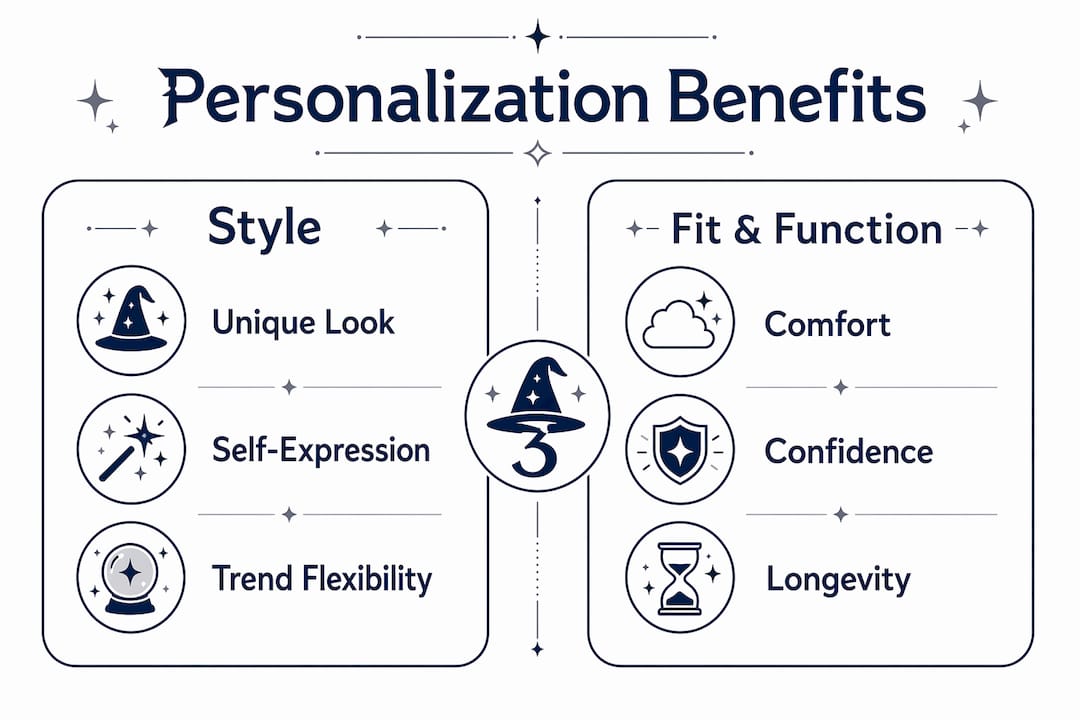
Fashion trends in 2025 and 2026 show a clear move toward consumer participation in design. Shoppers want to feel like contributors, not just buyers. Digital platforms that offer customization options satisfy what researchers call a “satisfaction gap” in retail. When you pick the graphic on your hoodie or choose the colorway on your tee, the purchase feels earned rather than arbitrary.
Personalization also helps shoppers navigate overwhelming product catalogs, leading to faster decisions and higher post-purchase satisfaction. That is a practical benefit that goes beyond style.
- Use digital previews to see how a graphic or color will look before you commit
- Start with staples like tees and hoodies before personalizing specialty items
- Stick to a theme or palette to keep your custom pieces cohesive
- Read size guides carefully since personalized fit depends on accurate self-measurement
Pro Tip: Build your personalized wardrobe the way a capsule wardrobe works. Aim for 5–7 pieces that all work together, and shop casual wear online where filters and categories make it easier to stay focused.
Key Takeaways
Personalizing casual wear delivers real benefits in fit, confidence, self-expression, sustainability, and long-term value that mass-produced clothing cannot match.
| Point | Details |
|---|---|
| Fit drives confidence | Custom-fit garments remove physical discomfort and improve posture and self-assurance. |
| Style communicates identity | Graphics, colors, and design choices signal your values and personality before you speak. |
| Personalized pieces last longer | Custom garments outlast mass-produced items by at least 2x, reducing waste and cost. |
| Co-creation increases satisfaction | Participating in design raises emotional investment and reduces the urge to discard. |
| Digital tools make it accessible | Online platforms let you customize without design expertise or a tailor’s appointment. |
What I’ve learned from wearing clothes that actually fit me
The first time I wore a hoodie that was genuinely built for my proportions, I understood immediately what I had been missing. It was not a dramatic moment. It was just the absence of the usual annoyances: no riding up at the back, no pulling at the shoulders, no sleeves that ended at the wrong place. That absence felt like relief.
What surprised me more was how it changed the way I dressed overall. When one piece fits right and reflects something true about your taste, it raises the standard for everything else in your closet. You start looking at your other clothes differently. The graphic tees you grabbed on impulse feel out of place next to something you chose with intention.
The sustainability angle took longer for me to appreciate. I used to think buying fewer, better things was a financial strategy. Now I see it as the only approach that makes sense emotionally. Clothes you helped design or chose deliberately do not end up in a donation bag after three months. They stick around because they mean something. That is the real advantage of personalized apparel trends.
My honest advice: do not try to personalize everything at once. Pick the two or three items you wear most often and start there. Get those right, and the rest of your wardrobe decisions become much easier.
— Josh
Graphic apparel that reflects who you are, from 3wizardclothing
The benefits covered in this article are not theoretical. Better fit, stronger self-expression, and longer-lasting pieces are all within reach when you shop with intention.
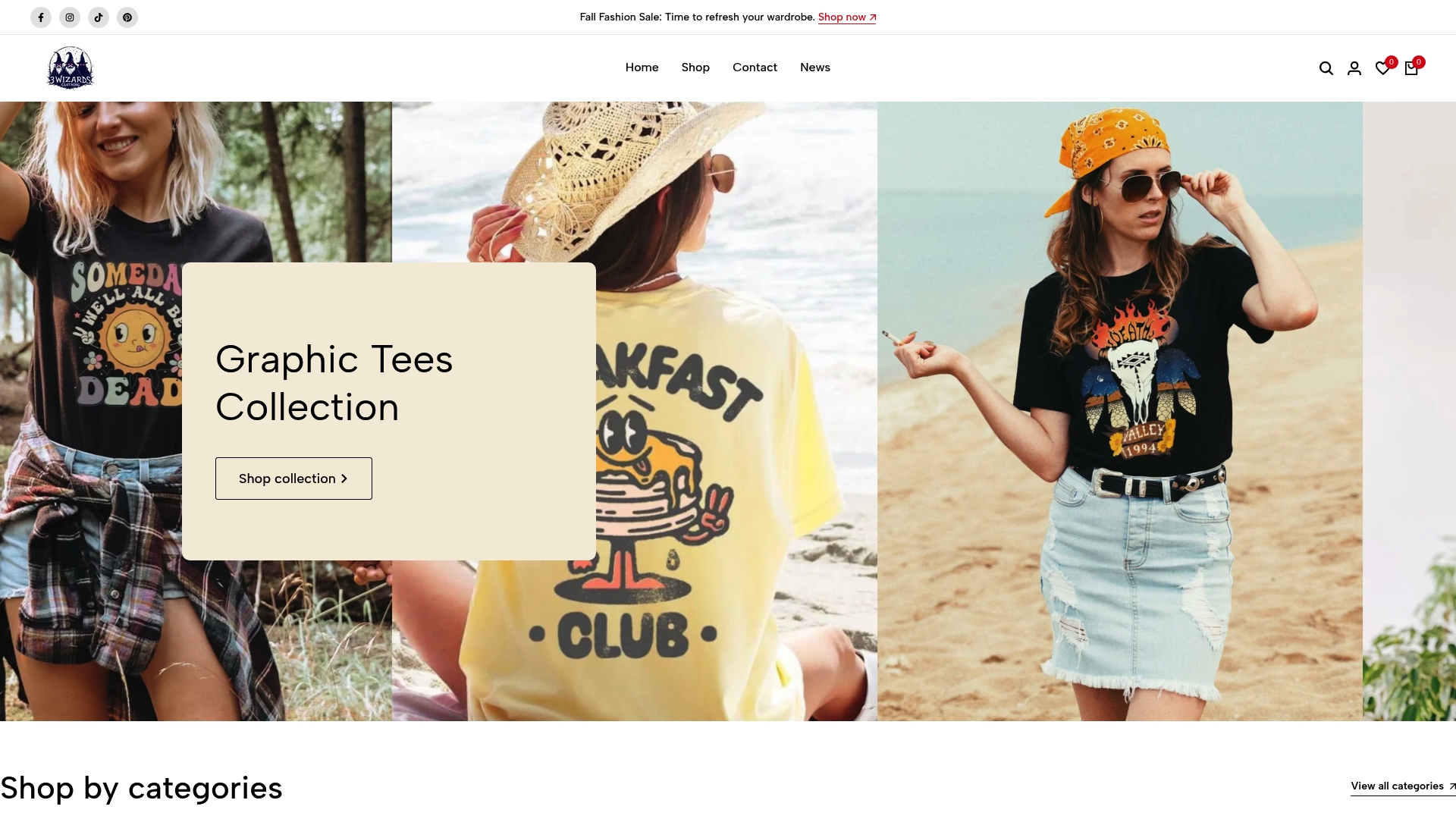
3wizardclothing carries graphic tees, hoodies, tank tops, and themed collections designed for people who want their casual wear to say something real. From nerdy designs to Halloween collections to sassy everyday graphics, the catalog is built around self-expression. Browse the full range at 3wizardclothing.com and find the pieces that actually fit who you are, not just what was trending last season. New arrivals and bestsellers are updated regularly, so there is always something worth adding to a wardrobe built with intention.
FAQ
Why should I personalize my casual wear?
Personalizing casual wear lets you express your identity, improve garment fit, and build a wardrobe with emotional durability. Custom pieces last longer and feel more meaningful than mass-produced alternatives.
Does personalized clothing really last longer than fast fashion?
Custom garments last over twice as long as mass-produced items, which often fail within 10 wears. Better construction and precise fit are the main reasons.
How do I start personalizing my casual wardrobe?
Start with your highest-wear items like a graphic tee or hoodie. Choose designs that reflect your actual interests, and use graphic apparel guides to understand how to match graphics to your personal style.
Is personalized casual wear sustainable?
Personalized production reduces the 25% overproduction rate common in traditional fashion by making garments to order. Emotional attachment to custom pieces also means you keep and care for them longer.
What makes co-creation different from regular online shopping?
Co-creation means you participate in selecting design elements rather than choosing from a fixed catalog. Research shows this raises satisfaction and brand loyalty because the purchase feels personal and deliberate.


