

TL;DR:
- Humor-based apparel features designs intended to generate laughter, often using puns, satire, irony, or relatable jokes. It functions as both self-expression and social signaling, fostering connections through shared cultural references. This clothing category has a rich history and continues to evolve, emphasizing personality and cultural relevance over traditional brand logos.
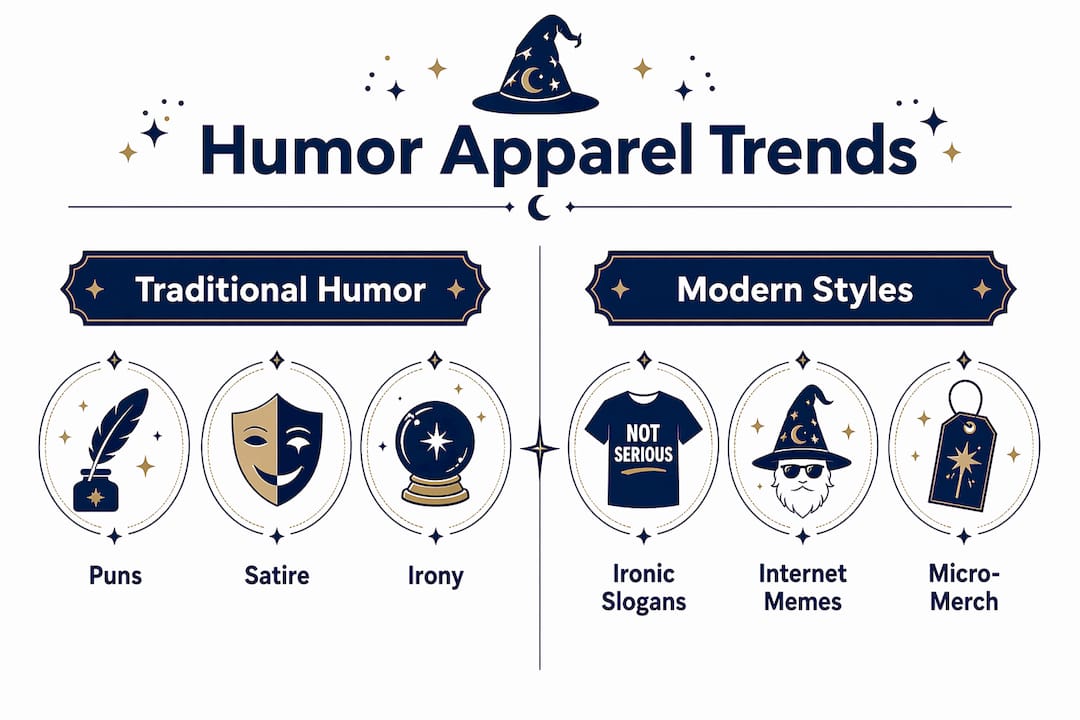
Humor-based apparel is clothing designed to generate laughter through puns, satire, irony, or relatable one-liners printed directly on the garment. The industry term for this category is comedic apparel or novelty clothing, and it spans everything from punny t-shirts and sarcastic hoodies to satirical graphic tees that double as social commentary. What separates humor-based apparel from standard graphic clothing is intent: the design’s primary job is to make someone laugh, think, or recognize a shared joke. Brands like 3wizardclothing have built entire collections around this principle, treating humor not as decoration but as the core product feature.
What is humor-based apparel and how does it work as a design category?
Humor-based apparel sits at the intersection of fashion and communication. A garment qualifies as comedic apparel when its visual or textual message is built around a joke structure, not just an aesthetic. That structure typically involves setup and payoff: a familiar image or phrase that gets twisted into something unexpected.
The most recognizable forms include:
- Pun-based text tees that use wordplay on a single phrase (“I’m on a seafood diet. I see food and I eat it.”)
- Satirical graphic designs that parody logos, pop culture icons, or social norms
- Ironic slogans that say one thing and mean another, often commenting on fashion itself
- Visual jokes where an illustration delivers the punchline without any text at all
- Relatable one-liners tied to universal experiences like Monday mornings or coffee dependency
Each format relies on the viewer completing the joke mentally. That cognitive participation is what makes humor apparel feel rewarding to wear. You are not just displaying a design. You are inviting the people around you into a shared moment.
How does humor function in apparel design and what comedic techniques are used?
The mechanics behind effective funny clothing are more precise than most people realize. Humor in apparel works via “double framing,” where a shared cultural context sets an expectation that the design then humorously recontextualizes. Think of it as a two-step process: the viewer recognizes the familiar frame first, then the design pulls the rug out from under it.
A classic example is a t-shirt that mimics the typography and layout of a luxury brand logo but replaces the brand name with something absurd. The viewer’s brain loads the “prestige fashion” frame automatically, then registers the substitution as funny. Without that initial frame recognition, the joke collapses entirely.
Common comedic techniques in apparel design include:
- Puns and wordplay: These work because language has multiple meanings. A shirt reading “Resting Beach Face” works on two levels simultaneously, and both levels are immediately accessible.
- Satire: Designs that exaggerate or mock a cultural norm, institution, or trend. Satirical pieces require the viewer to hold a critical opinion of the target.
- Irony: Saying the opposite of what is meant. “I love Mondays” printed in cheerful fonts works because the shared cultural understanding is that almost nobody loves Mondays.
- Visual incongruity: Placing an unexpected image in a familiar context, such as a cat dressed as a Renaissance painting subject.
Multi-modal cues like text and image together significantly increase the speed and reliability of humor recognition. When typography, illustration, and color all reinforce the same joke, the viewer processes it faster and finds it funnier. If any element conflicts with the joke’s frame, the punchline weakens.
Pro Tip: Before finalizing a humor apparel design, test it on someone outside your immediate social circle. If they need more than three seconds to get the joke, the design needs simplification or a stronger visual cue.
What is the cultural significance and social impact of humor-based apparel?
Humor apparel does more than entertain. It functions as a social passport. Wearing in-group references links the wearer to a specific cultural community, and that identity work can carry more social value than the garment’s production cost. A shirt referencing a niche internet meme tells other people in that community: “I’m one of you.” That recognition creates instant connection.
This dynamic is especially visible in what the fashion industry now calls micro-merch. These are small-batch, highly specific pieces built around IYKYK (“if you know, you know”) references. Consumers increasingly favor apparel that reflects their personal obsessions and sense of humor rather than obvious brand logos. The shift is significant: people are choosing identity over status signaling.
“Fashion satire has thrived for just shy of 300 years, serving both as entertainment and critical commentary in clothing.” — SHOWstudio
That historical depth matters. Satirical prints were distributed in artist markets and widely consumed for topical humor centuries before the internet existed. Today’s ironic slogan tee is the direct descendant of 18th-century satirical pamphlets. The medium changed. The impulse did not.
Humor apparel also critiques fashion from the inside. A shirt that mocks the absurdity of trend cycles or the price of designer goods is both participating in fashion and commenting on it simultaneously. Fashion satire endures because it helps audiences see fashion’s rules and flaws more critically through comedic exaggeration. That dual function keeps satirical and comedic clothing perpetually relevant, regardless of what season’s trends look like.
How does humor-based apparel fit into current fashion trends and consumer preferences?
The market for funny clothing has shifted considerably in recent years. The clearest trend is the move away from logo-heavy status pieces toward personality-driven humor apparel. Consumers want clothes that communicate who they are, not just what they can afford.
| Trend | Traditional brand-logo apparel | Humor-based apparel |
|---|---|---|
| Primary message | Status and brand affiliation | Personality and shared humor |
| Audience reach | Broad, aspirational | Targeted, community-specific |
| Longevity | Tied to brand prestige cycles | Tied to cultural relevance of the joke |
| Consumer motivation | Social status signaling | Self-expression and connection |
| Design driver | Brand guidelines | Comedic timing and cultural fluency |
Ironic slogan t-shirts blend humor and social commentary and have been popularized by major fashion houses and internet culture alike. Brands like Vaquera and Balenciaga have brought satirical design into high fashion, while independent labels and platforms have made the same energy accessible at every price point.
Micro-merch driven by irony and internet references is a fast-growing, profitable apparel niche. The profitability comes from specificity: a shirt that speaks directly to a narrow audience converts at a higher rate than a generic design because the buyer feels genuinely seen. That emotional resonance is what separates a great humor apparel piece from a forgettable one.
Consumer motivations for buying comedic apparel break into three clear categories. First, self-expression: the design says something about the wearer’s personality or worldview that they want others to know. Second, social connection: the shared joke creates a bond with strangers who get the reference. Third, pure amusement: sometimes people just want to wear something that makes them smile when they look in the mirror.
What practical tips help when selecting or styling humor-based apparel?
Choosing the right piece of funny clothing is not as simple as picking whatever makes you laugh hardest in the moment. The most effective humor apparel works across multiple social contexts and holds up over time.
- Match the joke to your audience. A shirt referencing a specific video game franchise lands perfectly at a gaming convention and falls flat at a family dinner. Consider where you will wear the piece most often before buying.
- Prioritize legibility. Humor requires quick recognition. If the text is too small, the font too ornate, or the image too detailed to read at a glance, the joke will not land. Effective humor requires quick frame entry for the punchline to work.
- Balance the graphic with the rest of your outfit. A loud, text-heavy tee pairs best with simple bottoms and neutral footwear. Competing visuals dilute the joke’s impact. Resources like styling humorous shirts can help you find combinations that work.
- Avoid overly niche references in general social settings. IYKYK pieces are powerful within the right community. Outside that community, they read as confusing or exclusionary.
- Check the design for unintended readings. Humor that relies on irony or satire can be misread as sincere. A second opinion from someone unfamiliar with the reference is worth getting before you commit.
- Consider the longevity of the joke. Meme-based designs tied to a specific moment can feel dated within months. Puns and universal observations age far better.
Pro Tip: Humor apparel is one of the most effective conversation starters in casual social settings. Wearing a well-chosen funny shirt signals approachability and gives strangers a low-stakes reason to engage with you.
Key takeaways
Humor-based apparel works because it combines precise comedic structure with shared cultural knowledge to create clothing that functions as both self-expression and social signaling.
| Point | Details |
|---|---|
| Core definition | Comedic apparel uses puns, satire, irony, or visual jokes as its primary design feature. |
| Design mechanics | “Double framing” sets a familiar expectation that the design then twists for comedic effect. |
| Cultural role | Humor apparel signals group membership and has served as social commentary for nearly 300 years. |
| Market trend | Consumers are shifting from logo-driven status wear to personality-driven humor and micro-merch pieces. |
| Styling principle | Match the joke’s cultural frame to your audience and prioritize legibility for maximum impact. |
Why humor apparel is the most honest thing in your closet
I have spent years watching fashion trends arrive with enormous fanfare and exit quietly. Logomania, normcore, quiet luxury: each cycle promises authenticity and delivers a new uniform. Humor apparel is the one category that has never pretended to be something it is not.
What strikes me most about humor-themed clothing is how it builds community without trying to. I have watched strangers stop each other in grocery store aisles because one person’s shirt referenced something the other person loved. That does not happen with a plain logo tee. The joke creates the opening.
The part most fashion coverage misses is that humor apparel evolves with culture in real time. A satirical piece from five years ago reads differently today because the cultural context shifted. That is not a flaw. It is a record of what a community found funny at a specific moment. Wearing a piece from a particular era of internet culture is, in a strange way, archival.
My honest advice: stop treating funny clothing as a lesser category. The best humor apparel requires more cultural intelligence to design well than most “serious” fashion pieces. Getting the timing right, the reference precise, and the visual execution clean enough for instant recognition is genuinely difficult. When it works, the result is a garment that earns its place in your rotation not because it looks expensive but because it says something true.
— Josh
Find your humor apparel match at 3wizardclothing
If you want a concrete example of humor-based apparel done right, the Pumpkin Season T-Shirt at 3wizardclothing delivers exactly what the category promises. It combines fall-season visual cues like harvest icons, autumn sweaters, and latte graphics into a design that is warm, specific, and immediately readable as a personality statement rather than a generic seasonal piece.
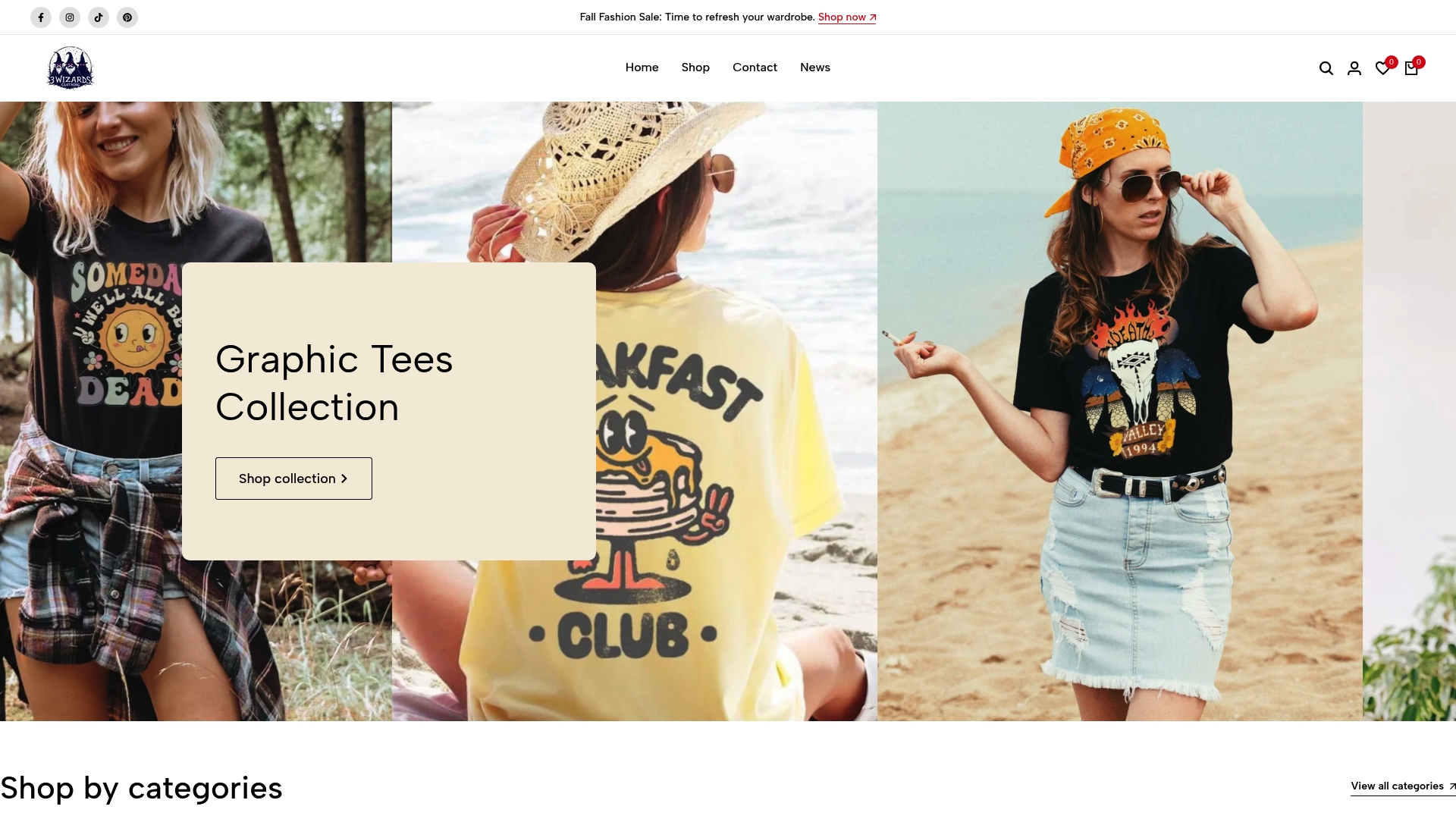
3wizardclothing carries a full range of graphic tees, hoodies, and themed collections built around the same principle: clothing that says something about who you are. Whether you are shopping for yourself or looking for a gift that actually lands, humorous shirts as gifts consistently outperform generic options because the recipient feels genuinely understood. Browse the full collection at 3wizardclothing to find pieces that fit your sense of humor.
FAQ
What is humor-based apparel exactly?
Humor-based apparel is clothing whose primary design feature is a joke, pun, satirical image, or ironic slogan intended to generate laughter or amusement. It differs from standard graphic clothing because the comedic intent drives every design decision, from typography to illustration style.
What comedic techniques are most common in funny clothing?
Puns, irony, satire, and visual incongruity are the four most common techniques. Effective designs use multi-modal cues combining text and image together to accelerate joke recognition and strengthen the punchline.
Why do people wear humor-based apparel?
Consumers wear comedic apparel for self-expression, social connection, and amusement. Research shows people increasingly prefer clothing that reflects their personal sense of humor over logo-driven status pieces, making humor apparel one of the fastest-growing segments in casual wear.
How long has satirical fashion existed?
Fashion satire has a documented history of nearly 300 years, with satirical prints serving as both entertainment and social commentary long before modern graphic tees existed. Contemporary brands like Vaquera and Balenciaga continue that tradition at the high-fashion level.
How do I choose humor apparel that works in multiple settings?
Prioritize designs with universal references, high legibility, and jokes that do not depend on a single cultural moment to land. Pun-based and relatable one-liner designs age better than meme-specific pieces and travel more easily across different social contexts.
Recommended
- Top Expressive T-Shirt Styles, Humor, and Inspiration – 3 Wizard Clothing
- Why Graphic Tees Are Popular: Expression, Trends, and Culture – 3 Wizard Clothing
- Humor-Themed Clothing: Express Your Style and Personality – 3 Wizard Clothing
- Why Wear Humorous T-Shirts: Self-Expression and Social Impact – 3 Wizard Clothing


