

TL;DR:
- Smart trend shopping involves evaluating a trend’s lifecycle to avoid buying at its peak or decline. It emphasizes targeted sourcing, wardrobe cohesion, and spending only a small portion of the budget on micro-trends. Using core pieces and accessories helps incorporate trends cost-effectively while maintaining a timeless wardrobe foundation.
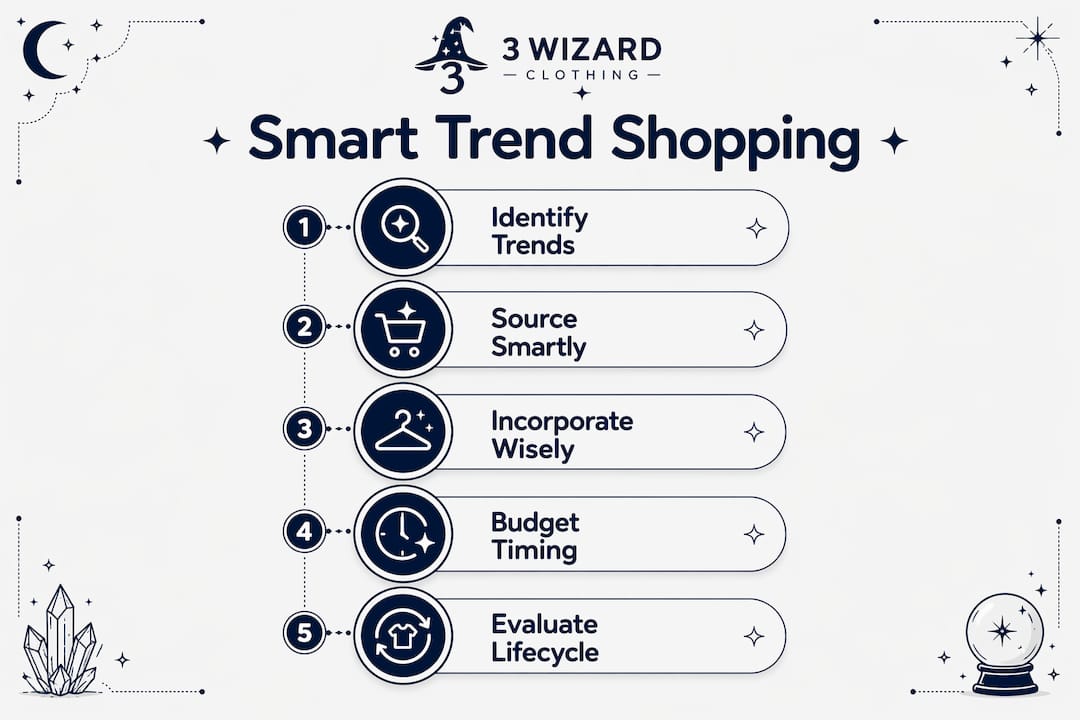
Shopping trending clothes is the strategic process of selecting wearable, lasting trend pieces that complement your existing wardrobe and personal style. Most shoppers treat trend shopping as an impulse activity, which leads to cluttered closets and wasted money. The better approach treats your wardrobe like a portfolio: every purchase should earn its place. This guide covers trend lifecycle evaluation, targeted sourcing, seasonal budgeting, and wardrobe integration so you can stay stylish without the regret. Brands like 3wizardclothing make this easier by curating seasonal collections that balance expressive design with everyday wearability.
How to shop trending clothes: identify trends worth buying
The first skill in smart trend shopping is distinguishing micro-trends from macro-trends. A macro-trend is a broad, multi-season shift, like the move toward relaxed silhouettes or earth-tone palettes. A micro-trend is a short-lived, highly specific look that peaks fast and fades within one season. Buying into micro-trends at full price is the most common budgeting mistake in fashion.
Lifecycle evaluation separates smart purchases from fad buys. Every trend moves through three stages: emerging, peak, and decline. When influencers first adopt a look, it is emerging. When major retailers promote it in window displays and email campaigns, it has peaked. When discount bins fill with it, it is declining. Buying at peak or decline means you get less wear before the look feels dated.
The right question to ask is not “Do I like this?” The better question is “Where is this trend in its lifecycle?” That shift in thinking alone changes how you evaluate every item on the rack.
- Emerging trend: Low risk for investment pieces if the silhouette is classic. High risk for bold, statement-only items.
- Peak trend: Buy only if it coordinates with three or more pieces you already own.
- Declining trend: Skip full-price purchases. Resale or rental is the only financially sound option here.
Pro Tip: Before buying any trend piece, check how many major retailers are currently promoting it. If it appears in more than five mainstream store campaigns simultaneously, it has already peaked.
Versatility is the most reliable filter. A trend piece that works with your existing basics earns its cost. A trend piece that requires a full new outfit to function does not.
Where to find trendy clothes without decision fatigue
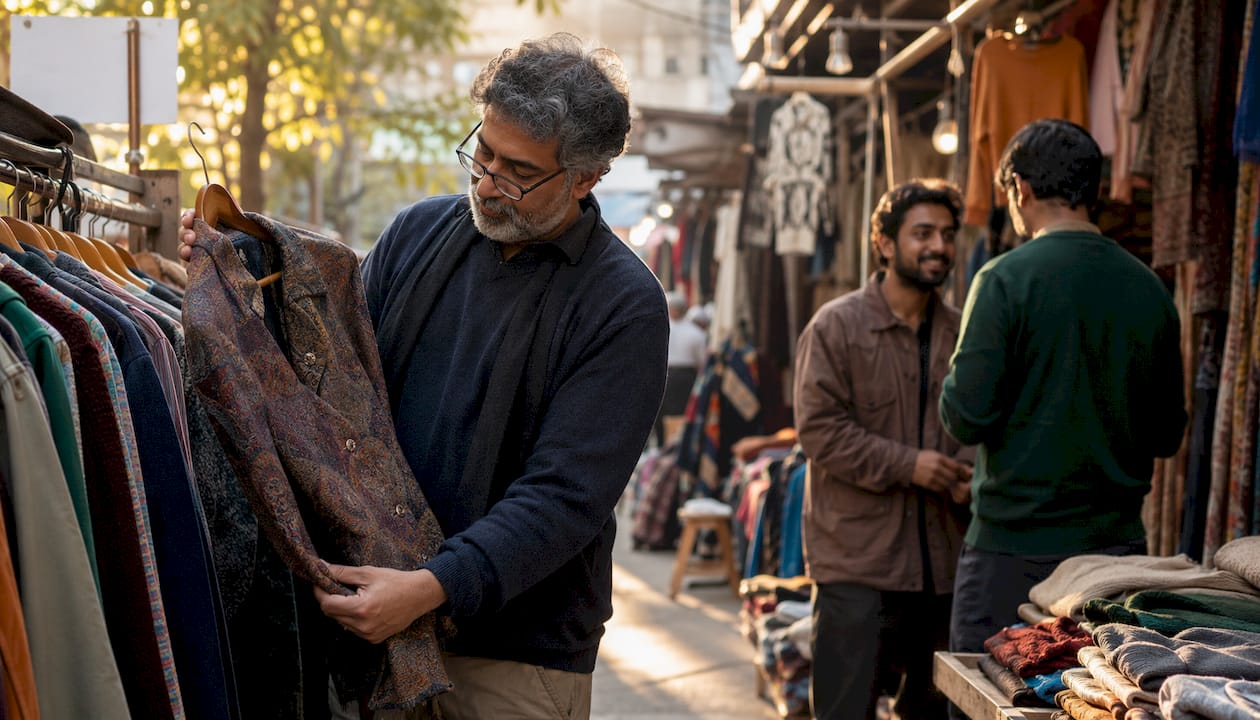
The most efficient way to find fashionable clothes online is targeted item search rather than open browsing. Searching for one specific item across your preferred retailers reduces decision fatigue and prevents random purchases. Open browsing exposes you to hundreds of items you did not plan to evaluate, which increases impulse buying.
Social media is a legitimate sourcing tool when used with discipline. Follow three to five trusted fashion accounts rather than dozens. When you spot an outfit you want to recreate, use reverse image search with a cropped screenshot focused on the specific garment. Cropping to the garment rather than the full outfit eliminates irrelevant search results and surfaces the exact item or close alternatives faster.
Here is a practical sourcing sequence for finding trendy outfits:
- Identify the gap. Write down which item type you need before opening any app or website.
- Search with specificity. Use descriptive terms like “oversized linen blazer” rather than “blazer.”
- Check curated platforms first. Curated online stores surface trend-relevant items faster than general marketplaces.
- Use resale and rental for high-risk pieces. Rental platforms are ideal for bold or short-lived trend items worn only a few times, cutting financial and wardrobe clutter risks.
- Add to a wishlist, not a cart. Waiting 48 hours before purchasing filters out emotional buys.
Pro Tip: Build a running notes list on your phone titled “Wardrobe Gaps.” Update it after doing a closet audit each season. That list becomes your shopping guide and stops you from buying duplicates.
The secondhand and vintage market deserves serious attention. Resale platforms carry trend pieces at a fraction of retail cost, and many items are barely worn because the original buyer made an impulse purchase. That is your gain.
| Sourcing method | Best for | Cost level |
|---|---|---|
| Curated online stores | Seasonal trend pieces | Mid to high |
| Resale platforms | Short-lifecycle trend items | Low |
| Rental services | Bold, occasion-specific looks | Low per wear |
| Social media search | Outfit inspiration and sourcing | Free |
| Targeted retailer search | Specific wardrobe gap items | Varies |
For online shopping tips that go deeper on avoiding pitfalls, 3wizardclothing’s blog covers the full picture.
How to incorporate trendy pieces into your existing wardrobe
Building on timeless pieces is the foundation of a wardrobe that stays cohesive when trends rotate. Classic staples, like well-fitted dark jeans, a white Oxford shirt, a neutral blazer, and quality sneakers, do not compete with trend pieces. They anchor them.
The “core, accent, skip” framework makes every purchase decision faster and clearer.
- Core: A trend piece that works as a wardrobe staple. Buy at full price if quality justifies it.
- Accent: A trend piece that adds personality but is not essential. Buy at mid-range price or secondhand.
- Skip: A trend piece that requires a complete new outfit to wear, or that only works for one occasion. Do not buy.
Color coordination is the most underused tool in wardrobe building. Stylish wardrobes typically use 3–5 colors including neutrals to maximize outfit combinations. When a trend piece falls outside your existing palette, it will sit unworn. Neutrals as anchors let trend pieces in bolder colors pop without clashing.
Accessories are the most cost-effective entry point for trend adoption. Focusing on accessories costs 60–80% less than investing in full garments while delivering comparable style updates. A trending bag silhouette, a statement belt, or a seasonal hat updates an entire outfit without requiring new clothing. This is especially useful for micro-trends you want to try without committing to a full garment.
Cost-per-wear is the metric that replaces purchase price as your decision tool. A $40 graphic tee from 3wizardclothing worn 30 times costs $1.33 per wear. A $120 statement piece worn twice costs $60 per wear. Cost-per-wear is a better measure of value than the price tag alone. Before buying, ask whether you can build at least three distinct outfits around the piece.
How to budget and time your trend purchases
A seasonal clothing budget with clear allocations is the single most effective tool for controlling trend spending. Successful trend shoppers allocate only 10–20% of their clothing budget to micro-trends, with the majority spent on durable, classic staples. That ratio keeps your wardrobe functional while leaving room for trend experimentation.
Behavioral tools reduce overspending more reliably than willpower alone.
- The 48-hour rule: Add items to a wishlist and wait two days before purchasing. Emotional urgency fades fast.
- The three-outfit test: Before buying, confirm you can style the piece three different ways with clothes you already own.
- The 30-day test: Ask whether you will wear the item within the next 30 days. If the answer is uncertain, skip it.
- List-based shopping: Shopping from a list targeting wardrobe gaps reduces impulse purchases by up to 70%. That is not a minor improvement. It fundamentally changes your relationship with shopping.
Timing matters as much as method. End-of-season sales, typically in january and july for most retailers, offer trend pieces at 30–70% off. The catch is that you are buying for the next season, not the current one. That requires planning ahead, which is exactly what separates intentional shoppers from reactive ones.
Pro Tip: Set a calendar reminder two weeks before major sale periods. Use that time to finalize your wardrobe gap list so you shop with a plan, not a cart full of discounted impulse buys.
The environmental case for intentional shopping is straightforward. Fewer purchases mean less textile waste. Buying pieces you actually wear means fewer items end up in landfills. For a deeper look at seasonal sale strategy, 3wizardclothing’s blog breaks down how to shop clearances without losing your budget discipline.
Key Takeaways
Smart trend shopping requires lifecycle awareness, targeted sourcing, and a wardrobe-first mindset to build a cohesive, cost-effective style.
| Point | Details |
|---|---|
| Evaluate trend lifecycle | Ask where a trend sits in its cycle before buying to avoid peak-price fad purchases. |
| Use targeted search | Search for one specific item at a time to reduce decision fatigue and impulse buys. |
| Apply the core, accent, skip framework | Categorize every potential purchase to keep wardrobe cohesion and control spending. |
| Prioritize accessories for trends | Accessories update your look at 60–80% less cost than full trend garments. |
| Budget with a 10–20% micro-trend rule | Allocate most of your clothing budget to classics and limit trend spending to a fixed share. |
Why I stopped chasing trends and started shopping them
The shift that changed how I dress happened when I stopped walking into stores without a plan. For years, I bought whatever felt exciting in the moment. My closet filled up fast, but I had nothing to wear. That contradiction is more common than most shoppers admit.
What actually worked was treating my wardrobe like a capsule with rotating guests. The core pieces, the ones I reach for automatically, never change much. The trend pieces come and go, but they have to earn their spot by working with what is already there. That filter alone cut my clothing spend significantly while making my outfits feel more intentional.
The emotional side of this matters too. A curated closet reduces the daily friction of getting dressed. When everything in your wardrobe coordinates and fits your life, you stop second-guessing yourself. That confidence is worth more than any single trend piece.
My honest advice: build your basics first, then treat trends as accents. Spend less on micro-trends and more on pieces with a long useful life. And when a trend genuinely excites you, buy it at a price that reflects its actual lifespan in your wardrobe. For bold styles worth wearing this season, the key is choosing pieces that express your personality without requiring a wardrobe overhaul.
— Josh
What 3wizardclothing offers for trend-forward shoppers
3wizardclothing curates seasonal graphic apparel collections designed for shoppers who want expressive, trend-relevant pieces without the guesswork of broad catalog browsing.
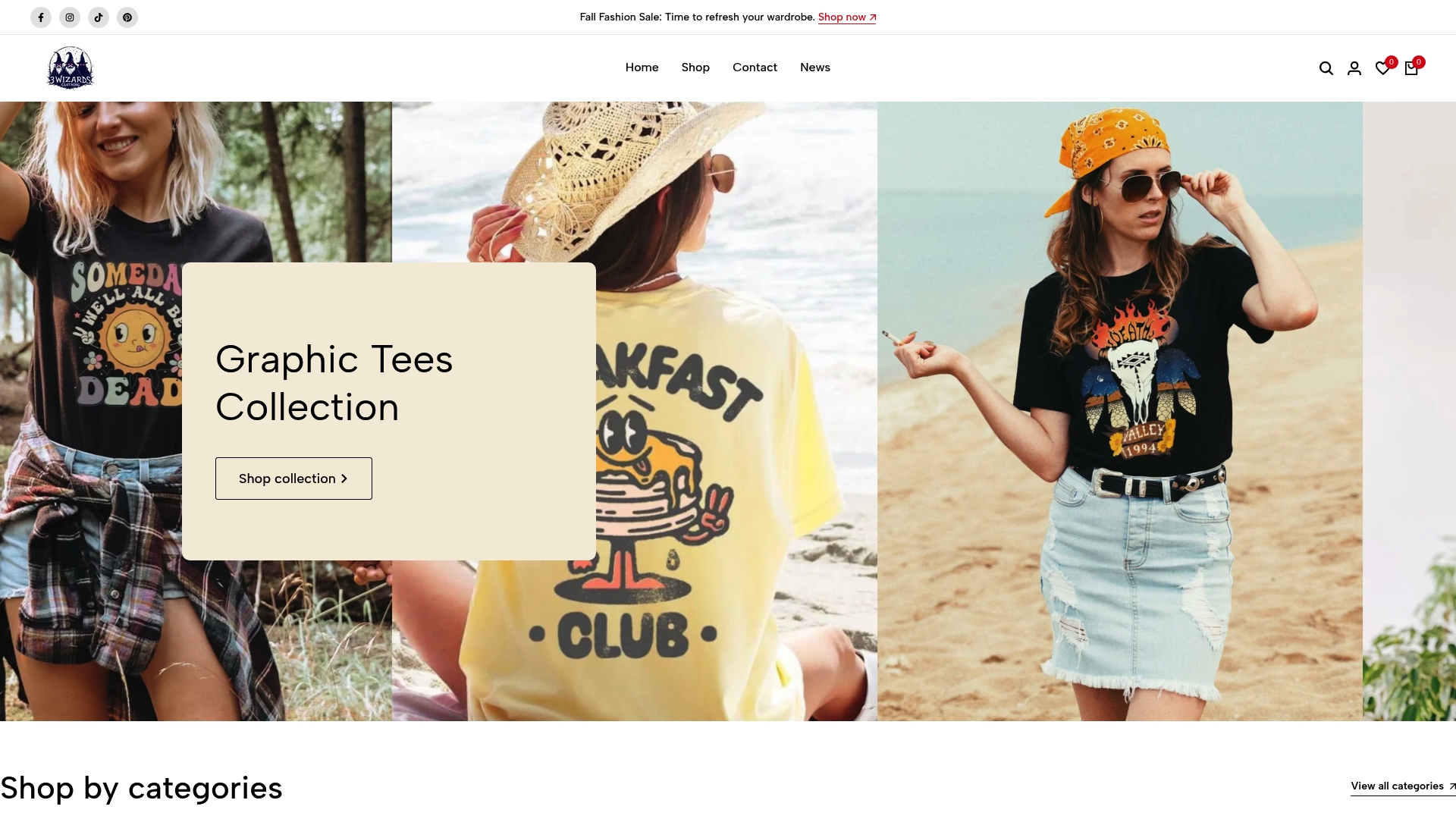
The 3wizardclothing catalog covers graphic tees, hoodies, tank tops, and themed collections including Halloween and fall styles, all organized by category so you can shop with a specific item in mind. New arrivals and bestsellers are highlighted to help you spot what is resonating this season. The blog also covers wardrobe planning and trend shopping strategies for shoppers who want to buy smarter, not just more. Browse the full 3wizardclothing collection to find pieces that fit your style and your wardrobe.
FAQ
What is the best way to identify a current fashion trend?
Check where a trend sits in its lifecycle by observing influencer adoption, retailer promotion, and market saturation. Emerging trends offer the best value; peak and declining trends carry higher financial risk.
How do I find trendy clothes without overspending?
Use targeted item searches based on a pre-made wardrobe gap list, and apply the 48-hour wishlist rule before purchasing. List-based shopping reduces impulse purchases by up to 70%.
Should I buy trend pieces at full price?
Buy at full price only if the piece qualifies as a “core” item that coordinates with at least three existing wardrobe pieces. For accent or short-lifecycle trends, resale and rental platforms offer better value.
How do accessories help with trend adoption?
Accessories deliver comparable style updates at 60–80% less cost than full garments. A trending bag, belt, or hat updates an entire outfit without requiring new clothing.
How much of my clothing budget should go toward trends?
Allocate 10–20% of your total clothing budget to micro-trends and spend the majority on durable classic staples. That ratio keeps your wardrobe functional while allowing controlled trend experimentation.
Recommended
- How apparel trends shape your style and self-expression – 3 Wizard Clothing
- 7 Types of Graphic Apparel Every Trendy Shopper Should Know – 3 Wizard Clothing
- Why apparel trends matter for style, fun, and value – 3 Wizard Clothing
- Trendy Apparel Ideas 2026: Bold Styles Worth Wearing – 3 Wizard Clothing


