

TL;DR:
- Family-friendly fashion prioritizes durable, versatile, and comfort-focused clothing for active families. It emphasizes shared color schemes and themed outfits over exact matching to promote individuality and practicality. Sustainable designs like grow-with-me pieces reduce costs and textile waste while supporting seasonal adaptability.
Family-friendly fashion is clothing designed to balance style, comfort, and practicality for families navigating real, active lives together. The role of family-friendly fashion goes beyond aesthetics. It shapes how families move, bond, and express shared identity through what they wear. The industry has shifted decisively toward human-centered design, with brands prioritizing function alongside style. Grow-with-me designs, coordinated color stories, and durable graphic apparel from retailers like 3wizardclothing are redefining what it means to dress as a family in 2026.
What is the role of family-friendly fashion today?
Family-friendly fashion, also called family-oriented apparel design, serves one core purpose: clothing that works as hard as your family does. Comfort is now a baseline expectation, not a selling point. Parents expect clothes to support movement, sitting, lifting, and everything in between without sacrificing style.
The demand for this category has grown because modern parenting is physical. You carry toddlers, chase kids at the park, and sit cross-legged on gym floors. Clothing that restricts movement or falls apart after six washes is not just inconvenient. It is expensive and wasteful.
Brands responding to this shift are building collections around versatility and longevity. The result is a fashion niche that treats families as active participants in design, not passive consumers of trend cycles.
How does family fashion support comfort and durability?
Practical design is the foundation of any strong family wardrobe. Here is what that looks like in real clothing choices:
- Stretch fabrics: Four-way stretch materials allow kids and parents to move freely without seams pulling or waistbands digging in.
- Water-resistant finishes: Clothes built for outdoor play include boiler suits and oversized pieces designed for climbing, mud, and mess.
- Grow-with-me construction: Adjustable waistbands, rolled cuffs, and extended sizing allow a single garment to fit a child across multiple growth stages.
- Reinforced seams and stress points: Knees, elbows, and pocket openings take the most abuse. Quality family apparel reinforces these areas first.
- Easy-care fabrics: Machine-washable, color-fast materials reduce the labor of keeping a family dressed and presentable.
Grow-with-me designs can fit a child for 12 months or more, compared to traditional children’s clothing that needs replacement every few months. That is a direct cost saving and a reduction in textile waste.
Pro Tip: When shopping for kids’ clothing, check the size range on grow-with-me items before buying. A single pair of adjustable pants can cover two full clothing seasons, cutting your annual spend significantly.

Parental preferences are pushing the entire fashion industry toward fewer, better-made pieces. This is not a niche trend. It is a structural shift in how families approach buying clothes.
How has coordinated family fashion evolved?
The era of identical outfits is largely over. Modern coordinated family looks now emphasize shared color stories and complementary textures rather than exact matching. This approach lets every family member express individuality while still signaling unity in photos and at events.
“Coordinated family fashion now focuses on shared taste and harmony, not exact copying. The goal is connection, not uniformity.”
This shift matters for practical reasons too. When you stop chasing identical outfits, you gain flexibility. A navy and white color palette can work across a toddler’s romper, a teenager’s graphic tee, and a parent’s linen shirt. No one looks like a costume. Everyone looks intentional.
Here are the styling strategies families use most effectively:
- Color anchoring: Choose one or two colors that appear in every outfit. The shades do not need to match exactly, just harmonize.
- Texture mixing: Pair denim with cotton, or linen with jersey, to create visual interest without requiring identical pieces.
- Theme coordination: Seasonal or holiday themes, like fall tones or Halloween graphics, create unity without uniformity. Themed kids’ graphic apparel works especially well here.
- Silhouette balance: Mix fitted and relaxed cuts across family members to avoid the “uniform” effect while keeping the overall look cohesive.
The move away from hyper-curated matching also reflects a broader cultural shift. Families are pushing back against overly polished aesthetics in favor of clothing that allows real play and genuine expression.
Fast fashion vs. sustainable family clothing: which wins?
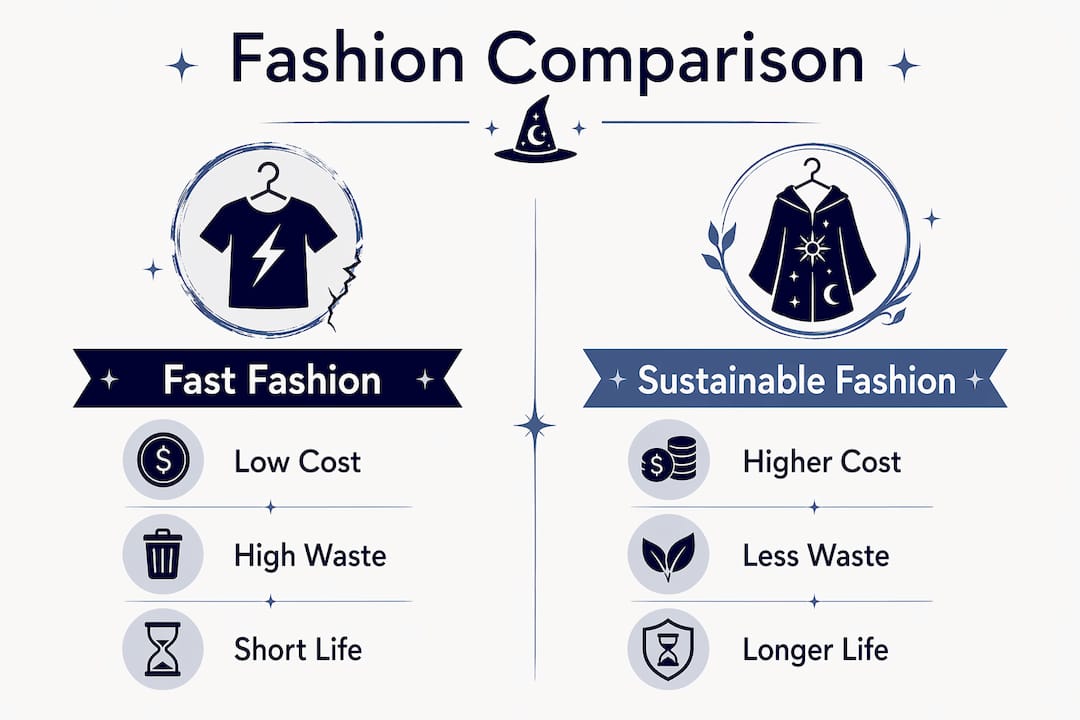
Sustainability and cost-effectiveness are two sides of the same coin in family fashion. The comparison below shows why the choice matters.
| Factor | Fast fashion | Sustainable family fashion |
|---|---|---|
| Cost per wear | Low upfront, high long-term | Higher upfront, lower long-term |
| Durability | 10–20 washes before visible wear | 50+ washes with quality retained |
| Environmental impact | High textile waste, frequent replacement | Lower waste through longevity and adaptability |
| Fit lifespan | Weeks to months for growing kids | 12+ months with grow-with-me designs |
| Style flexibility | Trend-driven, short shelf life | Versatile, season-spanning pieces |
Durable, sustainable clothing reduces both purchase frequency and textile waste. That aligns directly with what most parents say they want: quality over quantity. The fashion industry is responding. Designers are building collections around comfort, versatility, and longevity because that is what parents are actually buying.
Building a sustainable family wardrobe does not require a complete overhaul. Start with the highest-turnover items, typically kids’ bottoms and outerwear, and replace them with grow-with-me or reinforced versions. Add eco-conscious graphic clothing for casual wear, where graphic tees and hoodies can serve multiple seasons with the right care.
Pro Tip: Invest in quality for the items your kids wear most often, like everyday pants and layering pieces. Save budget-friendly options for special occasion clothes they will outgrow before wearing out.
The impact of fashion on families extends beyond the closet. Teaching kids to value quality over quantity is a lesson that carries into adulthood.
How to choose family-friendly outfits for every season
Seasonal dressing for families requires a system, not just individual outfit decisions. The goal is a wardrobe that adapts across weather changes without requiring a full seasonal swap-out.
- Build a layering base. Start every season with a core layer that works across temperatures. A lightweight cotton tee under a zip-up hoodie covers spring mornings and cool summer evenings without separate purchases.
- Anchor with neutrals, accent with seasonal color. Neutral bottoms in navy, gray, or khaki pair with seasonal tops in fall oranges, winter greens, or spring pastels. This keeps the wardrobe flexible without looking mismatched.
- Plan for events, not just days. Family outings, holiday gatherings, and school events each have different dress codes. A themed clothing strategy for holidays, using Halloween graphics or fall-toned coordinated sets, covers event dressing without buying single-use outfits.
- Use graphic tees as unifying elements. Matching graphic tees offer casual coordination without the rigidity of full matching sets. A shared design or color across different styles reads as intentional without looking forced.
- Prioritize outerwear investment. Jackets and coats are worn the most and replaced the least. Spending more here, and choosing grow-with-me sizing for kids, delivers the best return on investment across seasons.
Seasonal casual wear trends show that families increasingly want outfits that move between casual outings and low-key events without a full change. Versatility is the defining feature of modern family-friendly outfits.
Key takeaways
Family-friendly fashion works best when it combines durable construction, coordinated styling, and seasonal adaptability to serve both practical and expressive family needs.
| Point | Details |
|---|---|
| Comfort is non-negotiable | Clothing must support movement and daily activity, not just look good. |
| Grow-with-me designs save money | Adjustable, extended-fit clothing covers 12+ months of growth, reducing replacement costs. |
| Coordination beats matching | Shared color stories and themes create unity while preserving individual style. |
| Sustainability pays off | Durable pieces lower long-term costs and reduce textile waste significantly. |
| Seasonal systems beat one-off outfits | A layering-based wardrobe adapts across weather and events without constant restocking. |
What I have learned from building a real family wardrobe
The conventional advice on family fashion tends to focus on aesthetics. Pick a color palette. Buy coordinated sets. Look put-together for the photos. That advice is not wrong, but it misses the deeper point.
The real value of family fashion traditions is what they teach kids over time. When children watch parents mix pieces, break style rules, and alter clothing to extend its life, they learn that style is a skill, not a purchase. That lesson is worth more than any matching set.
I have seen families spend heavily on coordinated outfits that fall apart after a season, then wonder why getting dressed feels like a chore. The fix is almost always the same: buy fewer pieces, buy better, and build around function first. A well-chosen graphic hoodie that a kid actually wants to wear beats a perfectly coordinated outfit they resist every morning.
The families who dress well together are not the ones with the biggest clothing budgets. They are the ones who treat the wardrobe as a system, not a collection of individual purchases. They invest in grow-with-me basics, add personality through graphic tees and themed pieces, and let coordination happen naturally through shared color preferences rather than forced matching.
One more thing worth saying: let kids have opinions. A child who picks their own graphic tee within a color framework you have set is learning style judgment. That is a skill they will use for the rest of their lives.
— Josh
Build your family wardrobe with 3wizardclothing
If you are ready to put these ideas into practice, 3wizardclothing makes it straightforward. The store carries graphic tees, hoodies, and themed collections across men’s, women’s, and kids’ categories, so you can build coordinated family looks without hunting across multiple retailers.
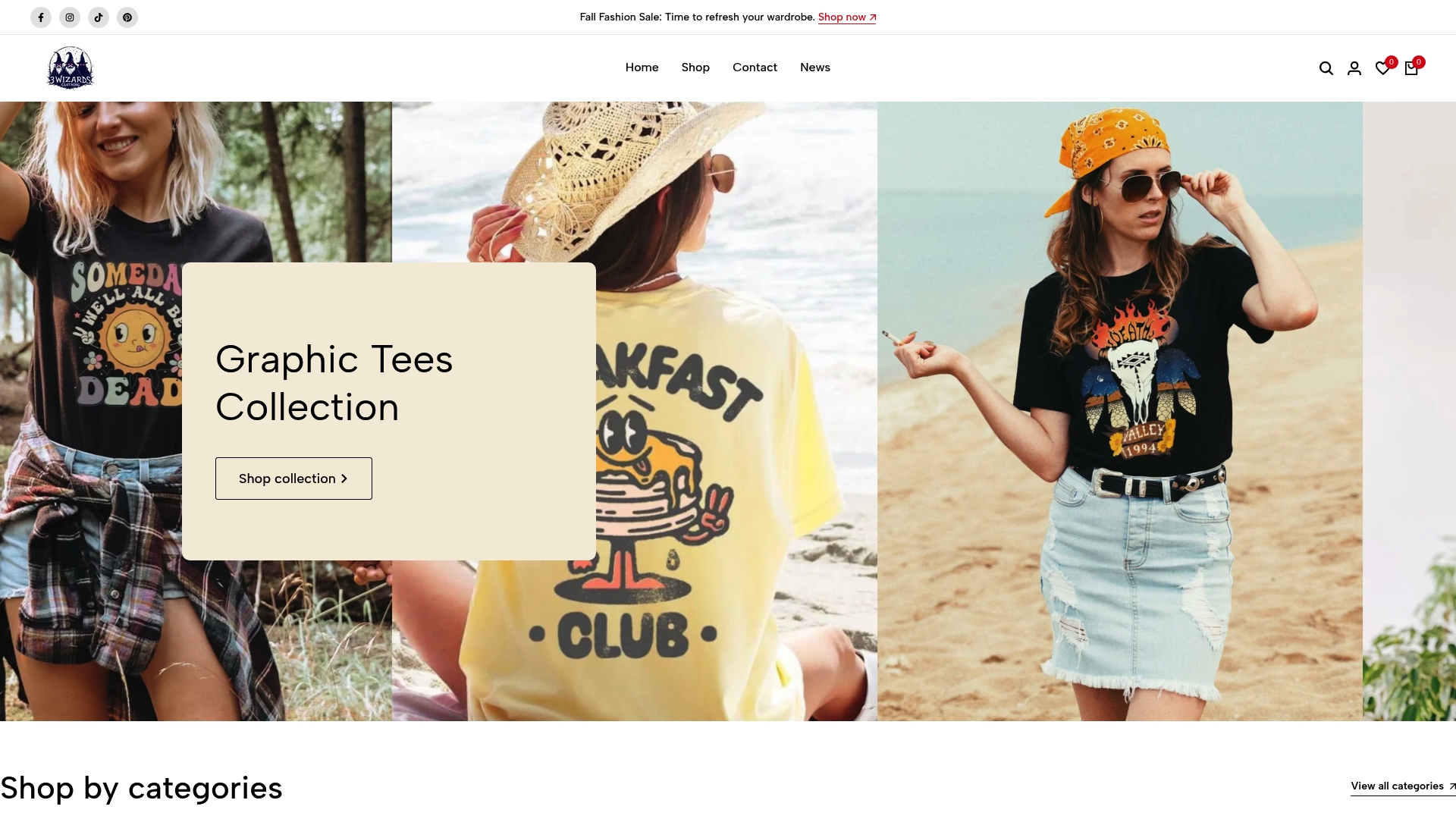
The seasonal and Halloween collections are especially strong for event-based family dressing, giving you themed coordination without the single-use outfit problem. Whether you are building a fall wardrobe or looking for casual everyday pieces that hold up to real family life, explore the full collection at 3wizardclothing and find pieces that work as hard as your family does.
FAQ
What does family-friendly fashion mean?
Family-friendly fashion refers to clothing designed to balance style, comfort, and practicality for parents and children in active daily life. It prioritizes durability, movement-friendly construction, and adaptable sizing.
What are the main benefits of family-friendly clothing?
The core benefits are cost savings through longer-lasting pieces, reduced textile waste, and clothing that supports physical activity without sacrificing style. Grow-with-me designs extend fit life to 12 months or more.
How do I coordinate family outfits without exact matching?
Choose a shared color palette or seasonal theme and let each family member wear it in their own style. Shared graphic tees or complementary textures create visual unity without requiring identical outfits.
How does family fashion affect kids’ development?
Teaching children style expression through mixing, matching, and making clothing choices builds individual style judgment as a learned skill over time.
What family fashion trends matter most in 2026?
The strongest trends are grow-with-me sizing, coordinated color stories over exact matching, and graphic apparel that serves both casual and event-based dressing across seasons.
Recommended
- Role of themed clothing: a guide for families and trendsetters – 3 Wizard Clothing
- Guide to themed apparel for families and trendsetters – 3 Wizard Clothing
- Why families choose themed shirts: Connection, fun, and expression – 3 Wizard Clothing
- The Real Role of Trending Apparel in Your Style – 3 Wizard Clothing


