

TL;DR:
- Fall fashion in 2026 emphasizes structured layering, heritage fabrics, and expressive, long-lasting designs. It reflects a cultural shift towards craftsmanship, identity, and intentional wardrobe building through coordinated systems. Personal style develops through mindful layering choices that prioritize versatility and visual coherence.
Fall fashion is defined as the seasonal wardrobe shift that uses layering, texture, and structured silhouettes to balance function with personal expression. It is the one season where what you wear carries both practical weight and cultural meaning. Fall accounts for 24% of annual fashion revenue, making it the second most commercially significant season behind summer. That number reflects something deeper than shopping habits. It tells you that people invest in fall clothing because the season demands real thought, not just a swap from shorts to jeans. Brands like Joseph Ribkoff and collections featured on Vogue’s fall 2026 coverage confirm that the importance of fall fashion has only grown more complex and intentional this year.
How does layering define the role of fall fashion in 2026?
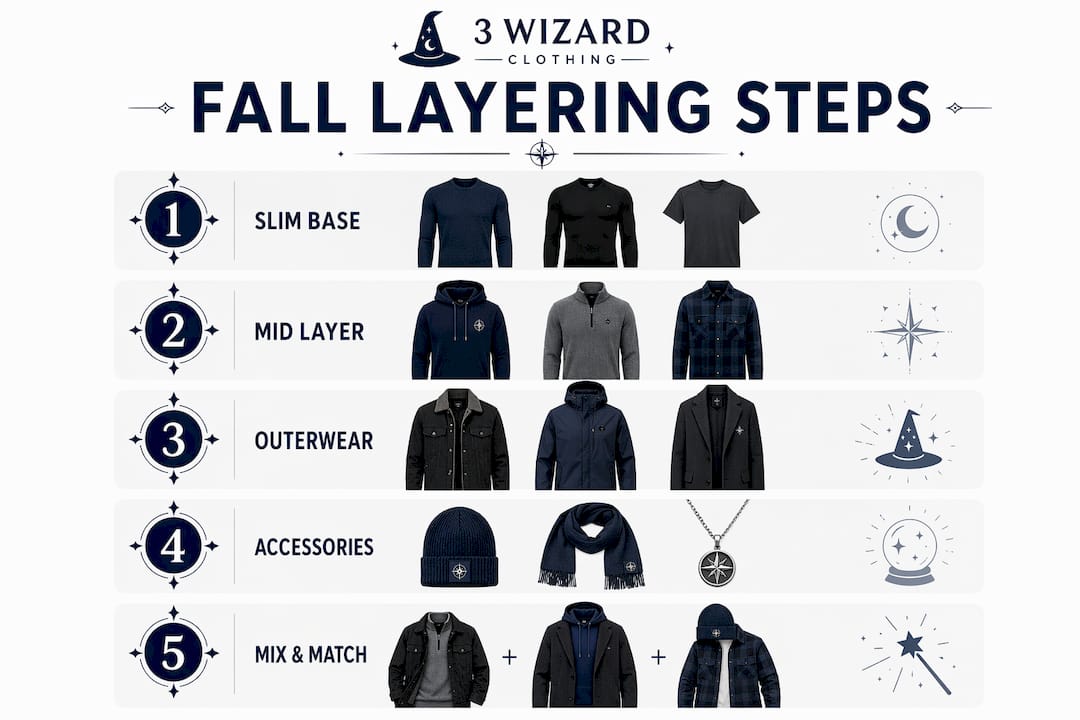
Fall 2026 runway shows treat layering as an architectural principle, not a weather workaround. The shift is significant. Layering is no longer about piling on clothes when temperatures drop. It is a coordinated system of three distinct layers, each with a specific job.
The base layer is fitted and functional. Think slim-cut long sleeve tees or lightweight turtlenecks. The mid layer is where your personality shows up. Refined knitwear, structured blazers, and tonal sweaters all live here. The outer layer provides shape and protection without overwhelming the layers beneath it.
The most common mistake people make is choosing outerwear that is too heavy for indoor conditions. You walk into a restaurant and suddenly you are sweating through a parka with nowhere to put it. The middle layer must stand alone aesthetically and functionally, because it will be the visible layer most of the time. Joseph Ribkoff’s midlayer designs run slimmer for exactly this reason. They are built to look complete on their own, not like an afterthought under a coat.
Here are the most common layering pitfalls and how to avoid them:
- Proportion mismatch: Wearing an oversized mid layer under an oversized coat creates visual bulk with no structure. Start fitted at the base and build outward.
- Color chaos: Mixing too many competing tones across three layers reads as unintentional. Tonal palettes, like camel to rust to chocolate, keep the look cohesive.
- Ignoring indoor conditions: Your outfit needs to work without the outer layer. If the mid layer only looks good under a coat, it is not doing its job.
- Skipping proportion calibration: Tonal palettes and proportion calibration are what separate a polished fall look from a random pile of clothes.
Pro Tip: Build your fall outfits from the inside out. Lock in a slim base, choose a mid layer that works as a standalone outfit, then add the outer layer last. This approach gives you three wearable combinations from one set of pieces.
You can find a detailed breakdown of this method in this fall fashion styling guide from 3wizardclothing.
What is the cultural and psychological role of fall fashion?
Fall fashion functions as a cultural coping mechanism. That is not a metaphor. 2026 collections show a deliberate move toward structured tailoring and protective outerwear as a direct response to global instability. When the world feels uncertain, people reach for clothes that feel like armor. Structured shoulders, heavy wool coats, and reinforced silhouettes all signal control and presence.
“Designers metabolize cultural complexity through fall collections, using historical references to anchor collections in nostalgia and familiarity.” — Marie Claire, New York Fashion Week Fall 2026
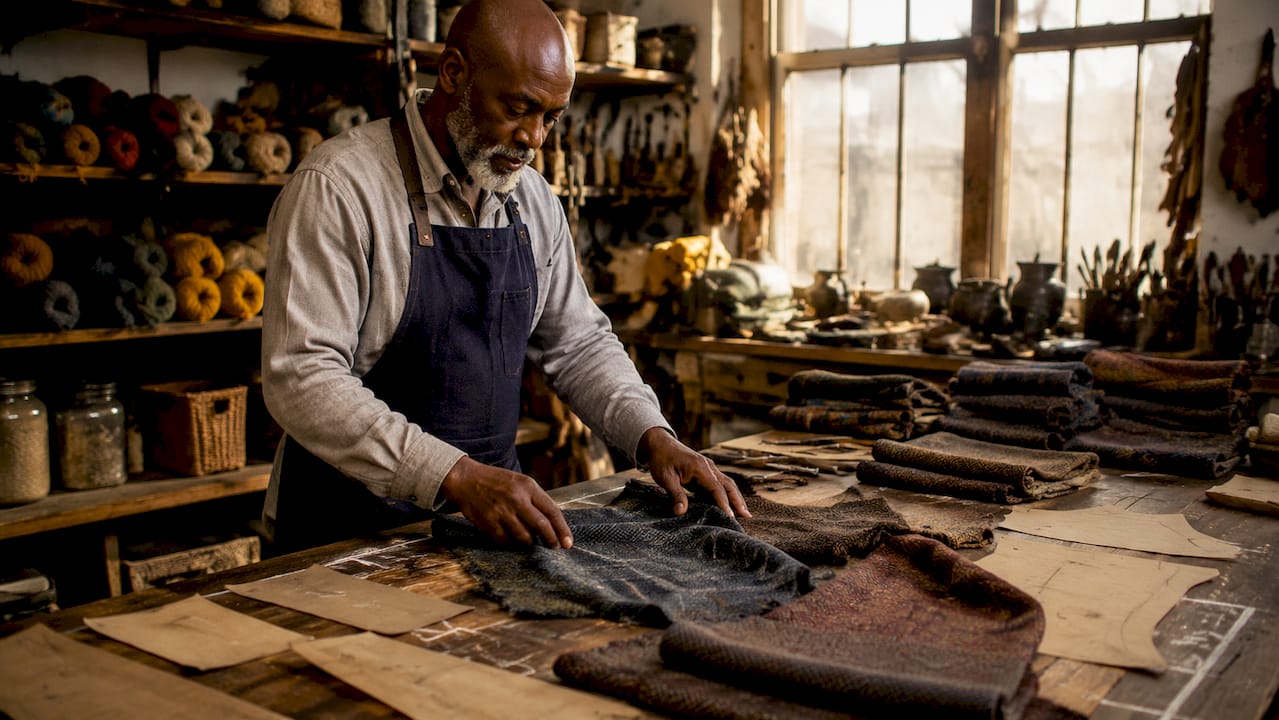
This is why fall 2026 collections lean into heritage fabrics, archival cuts, and crafted details. Familiarity is comforting. A well-made herringbone coat or a structured wool blazer carries the visual weight of something that has lasted, and that feeling matters when everything else feels temporary.
The move away from minimalism is equally telling. Minimalism thrived in periods of optimism, when less felt like a confident choice. The current shift toward expressive, crafted pieces reflects a desire for clothing that says something. Fall fashion trends in 2026 are not about restraint. They are about presence.
The impact of seasonal fashion on identity is most visible in fall because the season itself carries emotional weight. Back to school, new routines, shorter days. Fall is when people naturally reassess who they are and how they want to show up. Clothing becomes part of that process.
How does fall fashion influence consumer behavior and wardrobe strategy?
Seasonal trends form a feedback loop among designers, retailers, and consumers. Fall is the season where that loop is most active. Designers release collections, retailers stock accordingly, and consumers respond by editing their wardrobes. The result is that fall functions as a natural reset point for personal style.
Building a fall capsule wardrobe around three principles makes the whole process less overwhelming:
- Repeatability: Every piece should work in at least three different outfit combinations. A camel blazer over a white tee, over a striped shirt, or over a fitted turtleneck counts as three distinct looks.
- Flexibility: Choose pieces that move across temperature ranges. A merino wool crewneck works at 55 degrees and at 40 degrees under a coat.
- Comfort: If you do not reach for it instinctively, it does not belong in a capsule wardrobe. Comfort drives consistency.
Anchoring your wardrobe in consistent base items reduces decision fatigue significantly. Specific base items like a fitted long sleeve tee and a single well-fitting denim cut let you rotate mid and outer layers freely without rebuilding your outfit logic every morning.
Accessories deserve more credit than they usually get in fall styling discussions. A simple scarf or footwear swap can shift a casual look into something polished without adding another layer. Chelsea boots under straight-leg trousers read differently than white sneakers under the same outfit. That distinction matters when you are working with a limited wardrobe.
Pro Tip: Create three to four “outfit formulas” at the start of fall and rotate pieces within them. For example: fitted base plus mid knit plus trousers plus ankle boot. Swap the knit color or trouser cut and you have a new look without starting from scratch.
For more fall fashion tips and ideas on building a flexible seasonal wardrobe, the fall fashion checklist at 3wizardclothing covers the full family.
How do fall 2026 trends compare to previous seasons?
The contrast between fall 2026 and the previous two or three seasons is sharp. Here is how the shift breaks down:
| Category | Fall 2023–2024 | Fall 2026 |
|---|---|---|
| Silhouette | Minimalist, body-skimming | Oversized, structured, presence-forward |
| Fabric focus | Lightweight, disposable | Durable wool, heritage textiles |
| Color palette | Neutral, muted | Rich earth tones, deep jewel tones |
| Wardrobe approach | Single-piece focus | Coordinated systems, modular dressing |
| Consumer priority | Trend speed | Longevity and craftsmanship |
| Design philosophy | Fast fashion cycles | Value-driven, wearable across seasons |
Brands now prioritize coordinated collections designed as systems with long-term wearability. That is a fundamental change from the trend-of-the-week model that dominated 2022 and 2023. Consumers are buying fewer pieces and expecting more from each one.
The rise of gender-neutral, oversized silhouettes is the most visible expression of this shift. But oversized does not mean shapeless. Oversized pieces require fitted base layers to maintain shape, and tonal palettes to avoid visual clutter. The styling discipline required to wear fall 2026 trends well is higher than in previous seasons. That is not a barrier. It is an invitation to engage more intentionally with how you dress.
The move to expressive dressing in 2026 reflects a long-term shift toward valuing durability, authenticity, and style presence over fast trends. Consumers who understand this are building wardrobes that will still look current in two or three years. That is the real impact of seasonal fashion when it is done right.
Key takeaways
Fall fashion in 2026 is defined by modular layering, cultural expression, and a deliberate shift toward craftsmanship and wardrobe longevity over trend speed.
| Point | Details |
|---|---|
| Layering is structural | Build from a slim base outward; the mid layer must work as a standalone outfit. |
| Fall carries cultural weight | Structured tailoring and protective outerwear reflect a consumer desire for control and presence. |
| Capsule wardrobe beats full rebuilds | Anchor in consistent base items and rotate mid and outer layers to reduce decision fatigue. |
| 2026 favors longevity over speed | Coordinated systems and durable fabrics replace fast-fashion single pieces. |
| Accessories close the gap | A scarf or boot swap shifts a casual look to polished without adding another layer. |
Why fall layering is more personal than people realize
I have watched a lot of people approach fall layering as a purely practical problem. Cold outside, warm inside, so add a coat and call it done. That approach works, but it misses the point entirely.
The most interesting thing I have noticed about fall fashion is that it forces you to make decisions minimalism never does. When you are working with three layers, you have to think about proportion, color relationships, and what each piece communicates on its own. That process is where personal style actually develops. You cannot hide behind a single clean outfit. You have to commit to a point of view.
The mistake I see most often is people buying great individual pieces that do not talk to each other. A beautiful oversized coat over a mid layer that is too casual, over a base that is too formal. The outfit has no internal logic. The fix is simple: build outfits as systems, not collections of individual items. Start with the t-shirt layering guide at 3wizardclothing if you want a practical starting point.
Fall is also the season where I think people are most willing to experiment, because the stakes feel lower than spring. You are covered up more. There is more room to play. Use that. Try a tonal palette you have never worn before. Swap your usual footwear for something with more structure. Fall fashion rewards the people who treat it as a form of personal narrative, not just a weather response.
— Josh
Build your fall wardrobe with 3wizardclothing
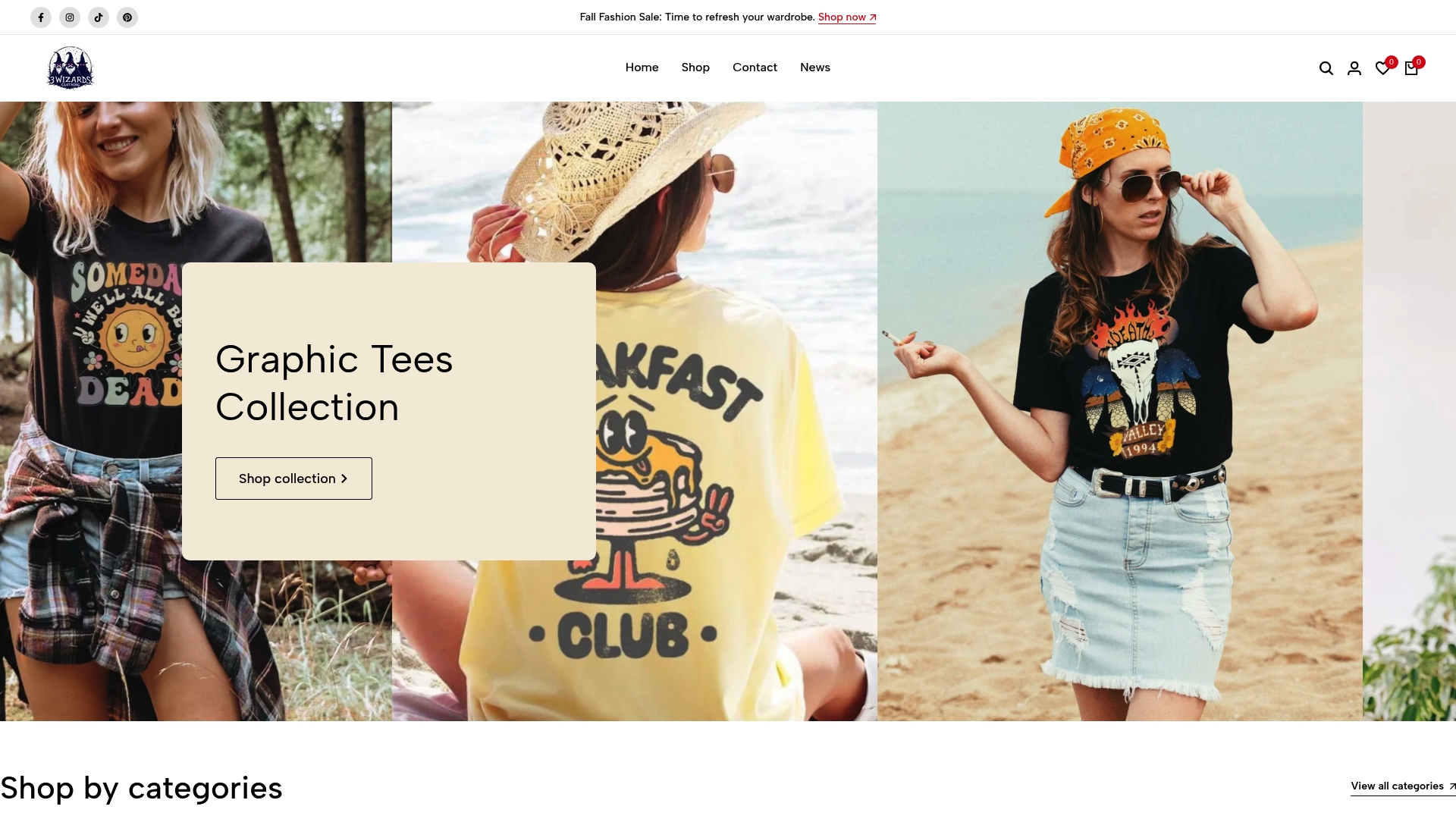
3wizardclothing carries graphic tees, hoodies, and seasonal collections built for exactly the kind of modular fall dressing this article covers. The fall and Halloween collections feature expressive, layerable pieces designed to work as mid layers or standalone statements. Whether you are building a capsule wardrobe from scratch or adding one standout piece to an existing rotation, the fall collection at 3wizardclothing has options across men’s, women’s, and kids’ categories. New arrivals drop regularly, and the site’s quick-view and wishlist features make it easy to plan outfits before you buy. Shop the current season and find pieces that do more than one job.
FAQ
What is the role of fall fashion in personal style?
Fall fashion gives you the most structured opportunity of the year to develop and express personal style through layering systems. It forces intentional choices about proportion, color, and how individual pieces work together.
How do you style fall outfits without looking bulky?
Start with a slim-fitting base layer, choose a mid layer that works as a standalone outfit, and add outerwear last. Tonal color palettes keep multiple layers from competing visually.
Why is fall fashion commercially significant?
Fall accounts for approximately 24% of annual fashion retail revenue, making it the second largest seasonal driver after summer. That reflects how much consumers invest in seasonal wardrobe updates during this period.
What are the key fall fashion trends for 2026?
Fall 2026 centers on oversized structured silhouettes, heritage fabrics, rich earth and jewel tones, and coordinated modular collections designed for long-term wearability rather than single-season use.
How many pieces does a fall capsule wardrobe need?
A functional fall capsule wardrobe requires fewer pieces than most people think. Anchoring in two or three consistent base items and rotating five to seven mid and outer layers covers the majority of daily scenarios without decision fatigue.


