

TL;DR:
- Trending apparel quickly shapes personal identity and community signals through rapid social media influence.
- Fashion cycles now span about 20 years but fragment into micro-trends, offering more individual choice.
Trending apparel is defined as clothing that gains rapid cultural momentum through social platforms, peer adoption, and media exposure, shaping how individuals present themselves to the world. The role of trending apparel goes far beyond aesthetics. It acts as a live signal of who you are, what communities you belong to, and how you navigate identity in a world where style cycles move faster than ever. Platforms like TikTok and Instagram have compressed fashion cycles from seasons into weeks, making the importance of fashion trends impossible to ignore for anyone who cares about self-expression.
How does social media accelerate trending apparel adoption?
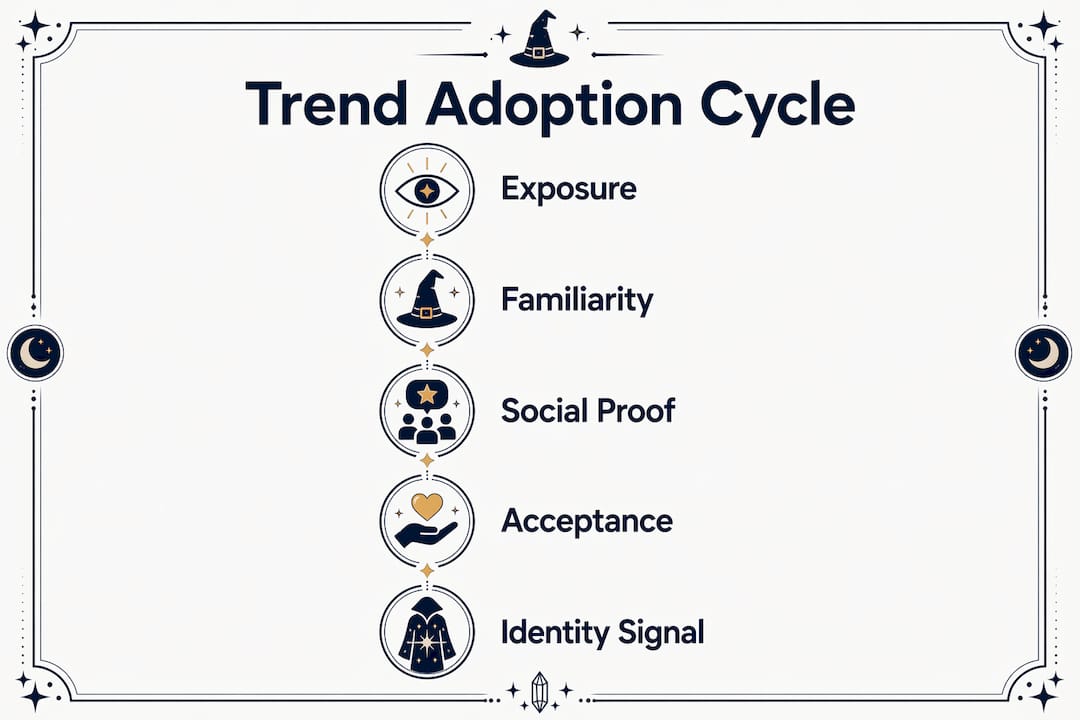
Social media does not just show you trends. It rewires how quickly you accept them. Repeated exposure to fashion items increases liking through a psychological mechanism called processing fluency. After 20–30 exposures to the same look, your brain registers it as familiar and safe, which makes you more likely to buy it. That is not a coincidence. It is an algorithm doing exactly what it was built to do.
The speed of this process has real retail consequences. Viral social media looks can deplete inventory by the weekend after a post goes live. Clothing searches reach roughly 2.7 million monthly, and a significant portion of that volume spikes directly after a trend surfaces on a feed. Viewers move from discovery to purchase intent within hours, not days.
Three psychological forces drive this cycle:
- Social proof: When you see hundreds of people wearing the same piece, your brain interprets that as a signal that the item is worth having.
- Identity signaling: Wearing a trending item communicates group membership. You are not just buying a shirt. You are buying a social position.
- Scarcity and FOMO: Micro-trends last only 3–4 weeks, which creates a ticking clock. The fear of missing the window pushes purchase decisions from deliberate to impulsive.
Pro Tip: Before buying into a micro-trend, ask yourself whether you have seen it on at least three different people whose style you genuinely respect. If yes, it has real staying power. If it only showed up in one viral video, it may be gone before your package arrives.
The result is a fashion ecosystem where trend adoption is less about taste and more about repetitive learning loops and neurochemical rewards. Understanding this gives you real leverage over your own wardrobe decisions.
What impact does trending apparel have on personal identity?
Clothing has always communicated identity, but trending apparel makes that communication faster and more specific. The impact of apparel trends on personal style is most visible during life transitions, when people feel a strong pull to update how they present themselves externally.
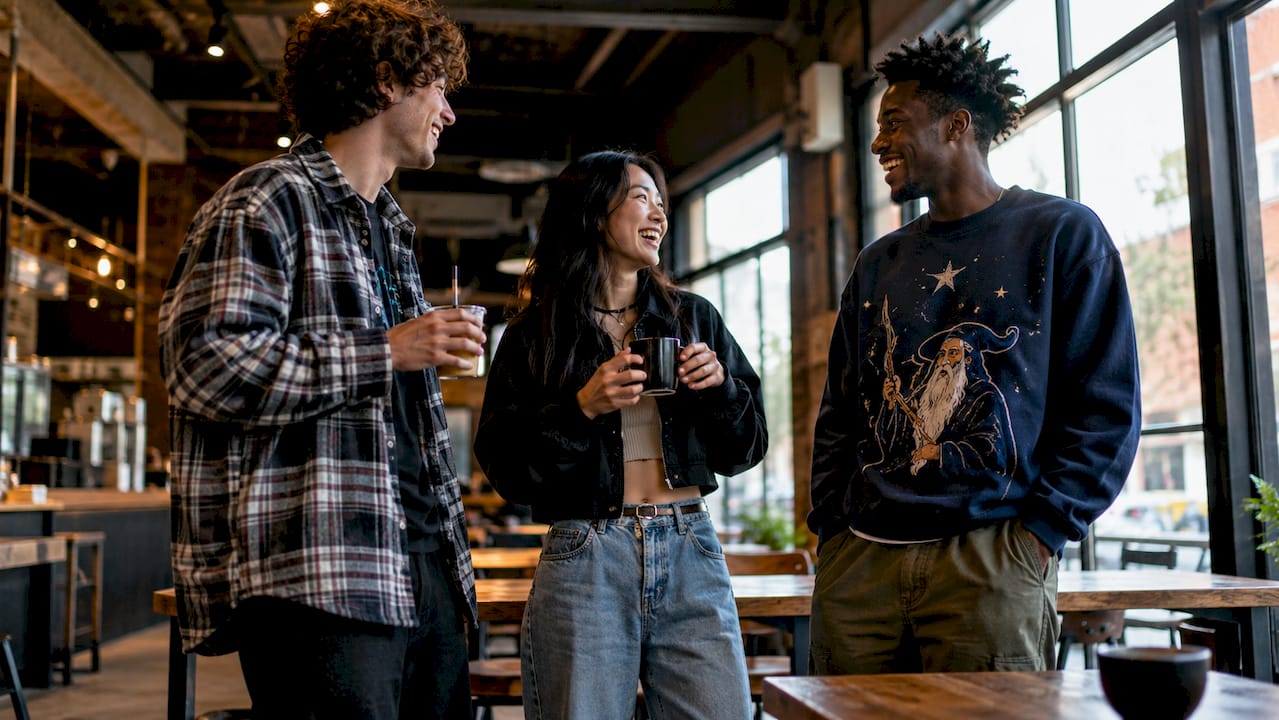
A striking example comes from Circana’s 2026 research on GLP-1 medication users. 55% of GLP-1 users purchased new clothing primarily because of body size changes, but the deeper motivation was identity redefinition, not just fit. That distinction matters. It confirms that wardrobe refreshes are often psychological events, not practical ones. You are not replacing clothes. You are replacing a version of yourself.
For younger consumers, social comparison plays an equally powerful role. An MDPI study conducted in 2026 found that influencers’ fashion choices act as reference points that drive youth fashion engagement through social comparison mechanisms. When you see someone whose life you admire wearing a specific style, you do not just want the item. You want the identity it represents.
Here is how trending apparel shapes identity differently across two types of fashion consumers:
| Consumer Type | Relationship to Trends | Identity Outcome |
|---|---|---|
| Trend follower | Adopts styles quickly after social exposure | Signals cultural awareness and group belonging |
| Selective adopter | Tests trends against existing personal style | Builds a distinct, layered identity over time |
Both approaches are valid. The difference is awareness. Knowing why you are drawn to a trend gives you control over whether it actually fits who you are or who you want to become.
Pro Tip: When a new trend catches your eye, wear the piece in three different contexts before committing to more of the same style. A graphic tee that works at a weekend market but feels wrong at a casual dinner is telling you something about how well it fits your actual life.
How do fashion trends cycle and evolve over time?
Fashion cycles are not random. They follow measurable patterns. Northwestern University researchers analyzed 37,000 images tracking hemline lengths across decades and found that fashion trends generally peak on a 20-year cycle. Bell-bottoms, miniskirts, and oversized silhouettes all follow this rhythm with remarkable consistency.
What has changed since the 1980s is the fragmentation of that cycle. Trends no longer rise and fall as a single dominant wave. They now splinter into dozens of simultaneous micro-movements, each serving a different community. The data shows increasing variance in trend adoption, which means fewer people are conforming to one universal style and more people are using clothing to signal niche identities.
| Era | Trend Pattern | Consumer Behavior |
|---|---|---|
| Pre-1980s | Single dominant cycle, 20-year peaks | Broad conformity to mainstream styles |
| 1980s–2000s | Early fragmentation, subcultures emerge | Niche groups adopt distinct aesthetics |
| 2010s–present | Rapid micro-trends, algorithm-driven | Niche community signaling, fast turnover |
This fragmentation is actually good news for you. It means the pressure to follow one dominant trend is lower than it has ever been. You can find a community and a style that genuinely fits your personality rather than defaulting to whatever is most visible on a mainstream feed. Trend adoption now reflects niche community signaling, not broad conformity. That shift gives individual consumers more creative freedom than any previous generation has had.
Understanding cycles also helps you shop smarter. If a style is currently at its 20-year low, it is likely building toward a comeback. Buying ahead of the curve means you look original rather than reactive.
Do trending apparel and sustainability actually conflict?
The tension between trend adoption and sustainability is real, and the research is direct about why. A 2026 Frontiers in Sustainability study found that people buy trendy garments more often than timeless ones, even when they are fully aware that timeless styles are more sustainable. Social norm conformity overrides long-term reasoning. You know the better choice, but the social pressure to participate in the current trend wins.
This is not a personal failure. It is a documented psychological pattern. Trendy items trigger higher consumption intention because they carry social rewards that timeless pieces do not. Wearing last season’s classic coat does not generate the same social recognition as wearing the exact hoodie everyone is talking about right now.
Practical strategies for balancing both:
- Buy trend pieces in neutral or versatile colors. A trending silhouette in a classic color extends its wearable life well past the trend’s peak.
- Prioritize quality over quantity. One well-made trending piece outlasts three cheap versions of the same look.
- Audit before you buy. Check whether you already own something that captures the same energy. Often you do.
- Lean into trending styles in clothing that double as seasonal staples. Graphic tees and themed hoodies, for example, can serve both trend and comfort functions across multiple occasions.
The goal is not to avoid trends entirely. It is to participate in them with intention rather than impulse.
Key takeaways
Trending apparel shapes identity, community belonging, and purchase behavior through psychological mechanisms that operate largely below conscious awareness.
| Point | Details |
|---|---|
| Social media rewires trend adoption | After 20–30 exposures, your brain accepts a trend as safe and desirable, accelerating purchase decisions. |
| Identity drives wardrobe changes | Major life transitions trigger clothing updates rooted in self-redefinition, not just practical need. |
| Fashion cycles in 20-year waves | Historical data confirms recurring peaks, but modern fragmentation means niche styles now coexist with mainstream ones. |
| Sustainability loses to social pressure | Research shows consumers buy trendy items over timeless ones due to social norm conformity, even with full awareness of the trade-off. |
| Micro-trends demand fast decisions | Trends now last 3–4 weeks, making timing and intentionality critical to avoiding buyer’s regret. |
Why i think most people misread their own relationship with trends
Most fashion advice tells you to “find your personal style” as if it exists independently of the world around you. That framing misses the point entirely. Your style is always in conversation with the culture you live in. The question is not whether trends influence you. They do. The question is whether you are aware of it.
What I have found is that the people who navigate trends best are not the ones who ignore them or chase every single one. They are the ones who understand the psychological pull behind a trend before they act on it. When you recognize that you want a piece because you have seen it 25 times in your feed and your brain now registers it as familiar, you can make a more honest decision about whether you actually like it.
The 20-year cycle research from Northwestern is genuinely useful here. If you know that oversized silhouettes are at a cultural peak right now, you can decide whether to ride that wave or wait for the next turn. That is not overthinking fashion. That is using information the way a smart shopper should.
My practical advice: test a trend piece in real life before buying more of it. Wear it once to something that matters to you. If it feels right in context, it belongs in your wardrobe. If it only felt right on the screen, that is your answer. The gym-to-street style shift is a good example of this. Pieces that transition from gym to street tend to have genuine staying power because they earn their place through actual use, not just visual appeal.
Trends are not the enemy of personal style. Mindless trend adoption is.
— Josh
Refresh your wardrobe with pieces that actually last the season
If you are ready to act on what you have read here, 3wizardclothing makes it easy to find trend-aligned pieces that do not feel disposable. The curated seasonal collections at 3wizardclothing are built around expressive, graphic designs that carry real personality, not just trend chasing.
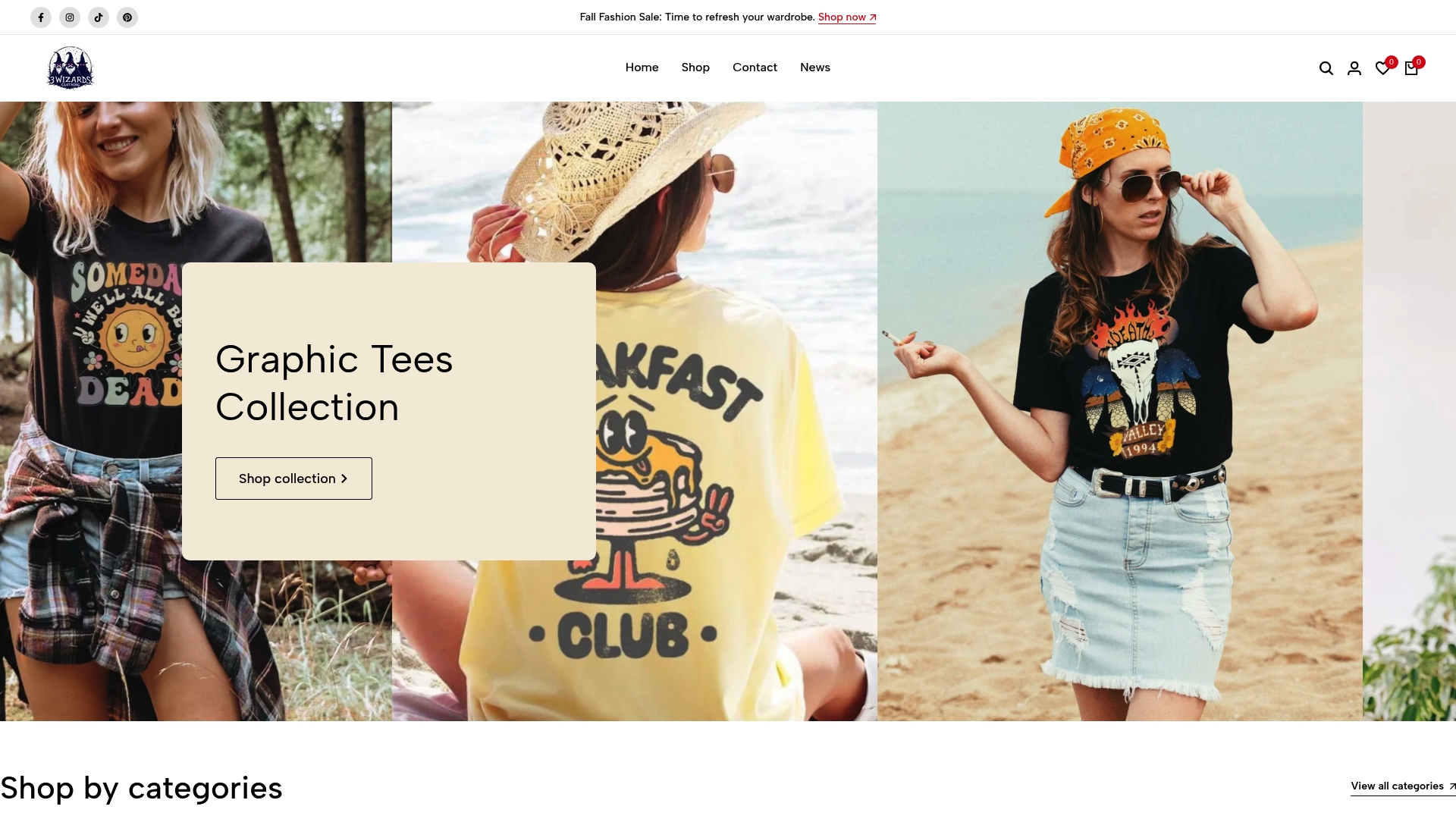
The Hello Autumn Tee is a strong example: a cozy, seasonal graphic tee that hits the current comfort-forward trend while being specific enough to feel like a genuine style choice rather than a generic purchase. For anyone looking to update their wardrobe with pieces that reflect both current cultural energy and personal identity, the fall collection at 3wizardclothing is worth a look. Browse the Autumn Vibes Tee and the full seasonal lineup to find something that actually fits how you want to show up this season.
FAQ
What is the role of trending apparel in self-expression?
Trending apparel acts as a live signal of identity, communicating group membership, cultural awareness, and personal values without a single word. It gives individuals a fast, visible way to align with communities and signal who they are or who they are becoming.
How quickly do fashion micro-trends come and go?
Micro-trends typically last 3–4 weeks before fading, driven by algorithmic exposure and scarcity psychology on platforms like TikTok and Instagram. Acting within that window matters if you want the social recognition that comes with wearing a trend at its peak.
Why do people buy trendy clothes even when they know it is wasteful?
Social norm conformity overrides sustainability awareness, according to Frontiers in Sustainability research. The social rewards of wearing a trending item are immediate and visible, while the environmental cost feels abstract and distant.
How do fashion trends affect youth more than other age groups?
Influencers serve as direct reference points for young consumers, and social comparison mechanisms make youth more responsive to fashion cues from people they admire. The MDPI 2026 study identifies this as a key driver of increased fashion engagement among younger demographics.
Can you follow trends without losing your personal style?
Yes. Selective trend adoption, where you test new pieces against your existing wardrobe and lifestyle before committing, lets you stay culturally current without surrendering your individual identity. The key is knowing why a trend appeals to you before you buy it.


