

TL;DR:
- Kids’ themed clothing features characters and story-driven prints that allow children to express personality. The best outfits balance comfort, safety, and style, and suit various occasions from birthdays to casual days. Parents should prioritize age-appropriate fits, safety features, and durable printing methods for everyday wear.
Kids’ themed clothing is defined as apparel inspired by popular characters, seasonal motifs, and story-driven designs that let children express personality through what they wear. A strong kids’ themed clothing guide covers three non-negotiable criteria: comfort, safety, and style. The best themed outfits work for birthday parties, Halloween, school events, and casual Saturdays alike. 3wizardclothing builds its kids’ collections around exactly this balance, offering graphic tees, hoodies, and seasonal pieces that kids actually want to wear again.
1. What are the top kids’ themed clothing styles in 2026?
The 2026 kids’ fashion trends break into three clear directions: Retro-Futurism, Enchanted Narratives, and Micro-Nature. Each one gives parents a fresh framework for choosing themed outfits for kids that feel current without being disposable.
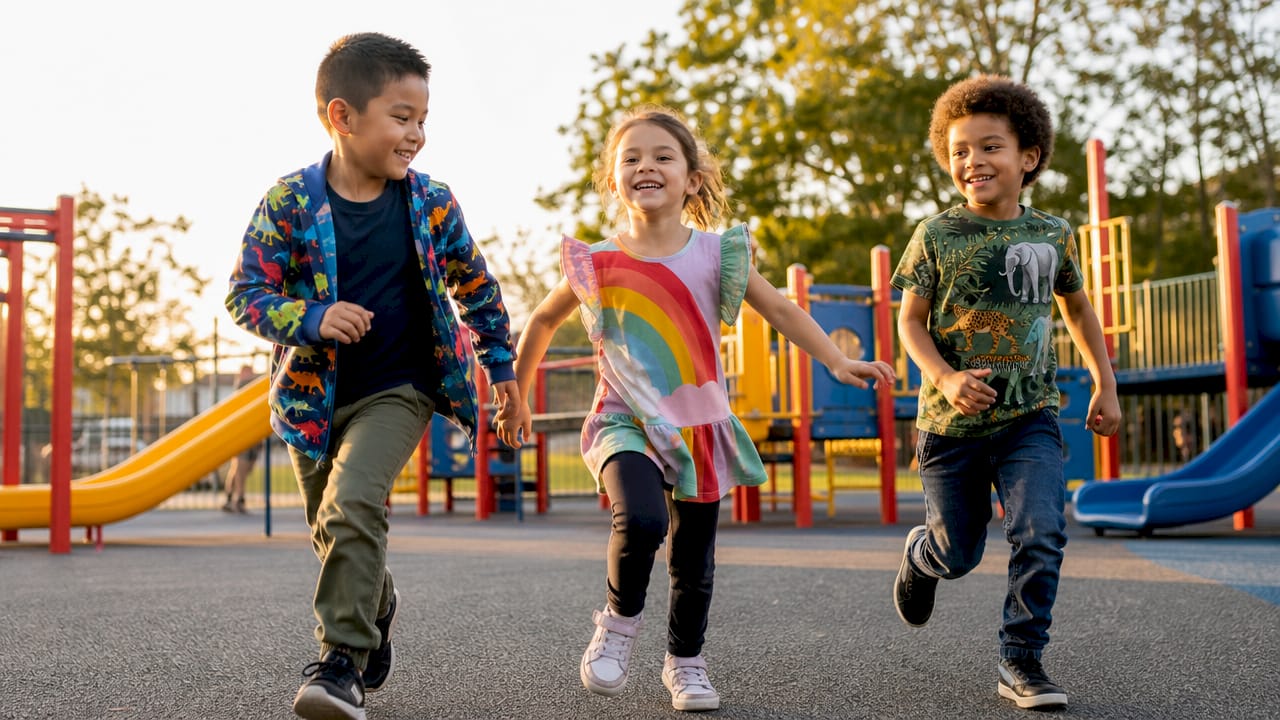
Retro-Futurism uses geometric shapes and bold color blocking. Think metallic accents on graphic tees, space-age prints, and structured silhouettes that read as fun rather than formal.
Enchanted Narratives centers on story-driven prints. Fairy-tale forests, mythical creatures, and illustrated scenes replace flat character logos with artwork that tells a story across the garment.
Micro-Nature brings intricate natural patterns to kids’ clothing. Botanical prints, insect illustrations, and detailed leaf motifs appeal to kids who love the outdoors and parents who want something more timeless.
- Gender-neutral pieces in earth tones and bold primaries work across all three trend directions.
- Sustainable cotton and modal blends are now the fabric standard. Over 60% of conscious parents prefer organic cotton and modal over traditional polyester. That preference reflects both comfort and environmental awareness.
- Playful accessories, such as themed patches, printed socks, and character-coded hats, extend a single outfit into multiple looks.
Pro Tip: Buy one statement graphic piece per trend direction and build around it with solid-color basics. You get three distinct looks from a small wardrobe investment.
2. How to choose themed outfits by occasion and age group
Age shapes every decision in unique children’s fashion. A toddler needs an outfit that survives a full day of movement. A ten-year-old wants something that feels cool to peers. A teen wants subtle character-coding, not a full costume.
Toddlers (ages 2–4)
Comfort is the only real rule at this age. Soft knit fabrics, snap closures, and elastic waistbands matter more than print complexity. Simple character-coded colors, like a yellow tee with a bee graphic, deliver the themed look without restricting movement.
Elementary-age kids (ages 5–10)
This group has strong opinions. Let them lead the theme choice and focus your energy on fit and fabric quality. Character-coded clothing uses color palettes, icons, or subtle graphic references instead of full-body costumes. That approach means the outfit works for a birthday party and a casual school day.
Tweens and teens (ages 11–16)
Subtle wins here. A graphic hoodie with a small character logo reads as personal style, not costume. Youth fashion in 2026 leans into geometric prints and bold color palettes that feel fashion-forward rather than childish.
Occasion-specific picks:
- Birthday parties: Go bold. A statement graphic tee in the birthday kid’s favorite theme is the right call. Pair with solid joggers to keep the focus on the print.
- Halloween: Choose a themed outfit over a full costume for younger kids. It reduces tripping hazards and works for multiple events across the season.
- School concerts and performances: Subtle character-coded pieces in dark or neutral tones keep the look polished without distracting from the event.
- Family gatherings: Coordinated sibling sets in matching themes, such as two kids in the same Micro-Nature print in different colors, photograph well and create lasting memories without requiring identical outfits.
- Casual everyday wear: A graphic tee with a favorite character reference is the workhorse of any themed wardrobe. It layers under a hoodie, pairs with any bottom, and holds up to repeated washing.
Pro Tip: Buy themed pieces one size up for kids in the 5–10 range. They grow fast, and a slightly relaxed fit reads as intentional in 2026 streetwear-influenced kids’ fashion.
3. What safety and comfort features should parents prioritize?
Safety in kids’ themed clothing is not optional. The 2026 checklist covers fabric breathability, flame resistance, non-toxic materials, and visibility for evening wear.
Core safety features to check before buying:
- Fabric breathability: Natural fibers like organic cotton and modal allow airflow and reduce overheating during active wear.
- Flame resistance: Look for CPSC-compliant labels on sleepwear and any costume worn near open flames, such as at a bonfire or candlelit event.
- Non-toxic dyes and prints: Water-based inks and OEKO-TEX certified fabrics confirm that dyes and finishes meet safety standards for children’s skin.
- Visibility for nighttime wear: Reflective tape or LED accessories are recommended for all dark-colored costumes worn after sunset, especially for children aged 3–10. This is the single most overlooked safety detail in Halloween and evening event dressing.
- Tripping hazards: Avoid floor-length capes, oversized sleeves, or dragging hems on costumes for kids under eight. Hemmed, fitted silhouettes are safer and more comfortable.
Replacing masks with non-toxic face paint improves both visibility and breathing for young children. Patch test any face paint 24 hours before use to rule out allergic reactions. This one swap removes two of the most common costume-related safety complaints in a single step.
Garment closures matter too. Seamless construction and flat-lock stitching prevent irritation on sensitive skin. Avoid decorative buttons or small embellishments on clothing for children under three, as these present a choking risk.
4. How can parents customize and maintain themed clothing?
Personalization turns a good themed outfit into a wardrobe favorite. Adding a child’s name or initials to a graphic tee increases emotional connection and gift value. Monogramming and team logos also support group identity, which matters for school events, sports teams, and sibling sets.
The decoration method determines how comfortable and durable the finished piece feels. DTF transfers and soft-hand screen printing are the best options for kids’ apparel. Both methods produce a soft feel that holds up through frequent washing and active wear. Embroidery works well on hats, jackets, and structured outerwear, but avoid it on lightweight tees where the backing can irritate skin.
Print placement and scale also affect the final result. Younger children’s garments need smaller print sizes and centered placements. A design that looks balanced on an adult medium becomes overwhelming on a child’s size 6T if not scaled down. Most custom apparel platforms offer size-specific templates to prevent this.
Decoration method comparison:
| Method | Best for | Durability | Skin comfort |
|---|---|---|---|
| Soft-hand screen printing | T-shirts, hoodies | High | Excellent |
| DTF transfer | All garment types | High | Very good |
| Embroidery | Hats, jackets, outerwear | Very high | Good on structured fabric |
| Heat transfer vinyl | Small runs, names | Moderate | Fair on sensitive skin |
Maintenance tips to keep themed clothing looking sharp:
- Wash inside out in cold water to protect print colors.
- Avoid high-heat dryer cycles. Air dry or use low heat to preserve fabric softness.
- Store folded rather than hung to prevent graphic prints from stretching at the shoulders.
- Treat stains immediately with a gentle, dye-free detergent before washing.
Pro Tip: For gifting, choose a DTF-printed graphic tee in a size up from the child’s current size. It lasts longer, and the soft print feel makes it a piece they reach for repeatedly.
Key takeaways
The best kids’ themed clothing balances current style trends, age-appropriate fit, verified safety standards, and durable decoration methods to deliver outfits children wear repeatedly.
| Point | Details |
|---|---|
| Match theme to age group | Toddlers need comfort-first fits; teens want subtle character-coded graphics, not full costumes. |
| Prioritize safety features | Check for reflective elements, non-toxic dyes, and CPSC-compliant flame resistance before buying. |
| Choose the right print method | DTF transfers and soft-hand screen printing offer the best comfort and wash durability for kids. |
| Follow 2026 fabric trends | Organic cotton and modal blends outperform polyester for breathability and conscious consumption. |
| Personalize for lasting value | Names, initials, or team logos increase emotional connection and turn themed pieces into wardrobe staples. |
Why I think most parents overcomplicate themed dressing
Most parents I talk to treat themed clothing as a one-event purchase. They buy a full costume, the kid wears it once, and it sits in a closet until it no longer fits. That approach wastes money and misses what kids actually want.
Costume fatigue is real. Kids are moving away from full-body costumes toward character-coded pieces they can wear on a Tuesday. A graphic hoodie with a subtle wizard motif or a tee with a favorite story-driven print gets worn ten times more than a polyester costume ever will.
The safety piece also gets underestimated. Parents focus on the look and skip the label check. A quick scan for OEKO-TEX certification and CPSC compliance takes two minutes and removes most of the risk. Reflective accessories for evening events are a five-dollar addition that parents consistently overlook until something goes wrong.
My honest recommendation: build a small themed capsule instead of buying one big costume. Two or three graphic pieces in coordinating themes give kids more outfit combinations, more daily wear, and more value per dollar spent. That is how kids’ graphic clothing works best. It lives in the regular wardrobe, not in a costume bin.
The families who get the most out of themed dressing are the ones who treat it as an extension of everyday style. Themed outfits for kids do not need a special occasion to earn their place in the closet.
— Josh
Themed kids’ apparel worth wearing every day
3wizardclothing carries kids’ themed collections built for real wear, not just one-time events. The catalog covers graphic tees, hoodies, and seasonal pieces across Halloween, fall, and novelty themes, all designed with the comfort and print quality that parents look for.
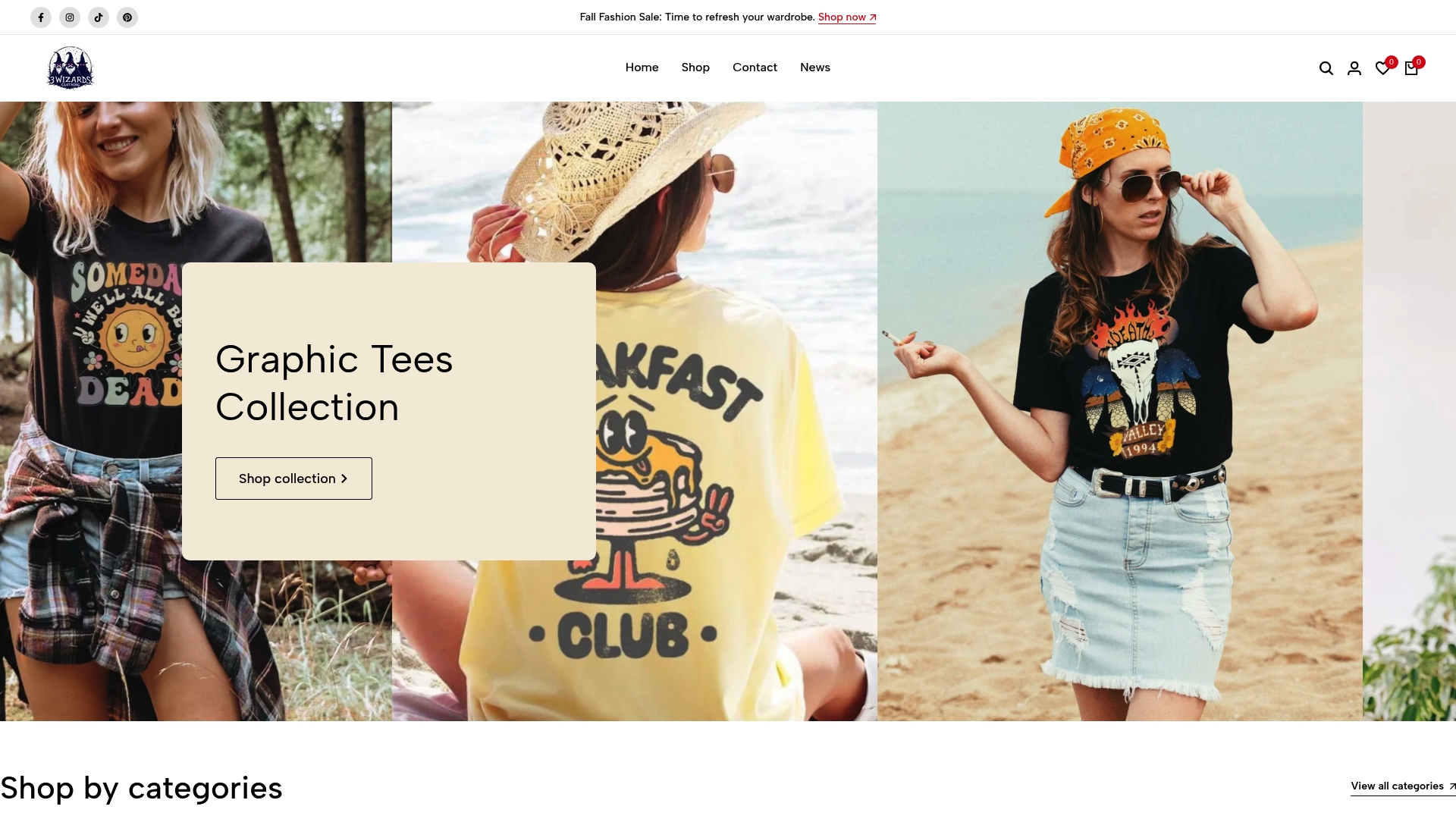
The kids’ themed apparel at 3wizardclothing uses soft-hand printing on quality cotton blends, so pieces hold up wash after wash. Seasonal collections drop regularly, and the range includes options that work for birthdays, school events, and casual everyday wear. Parents looking for a story-driven print or a motivational graphic for older kids can also find inspiration in pieces like the Empathy and Understanding Tee from Sisterhood Sleuths, a great example of how graphic apparel can carry real meaning for kids and families alike.
FAQ
What is kids’ themed clothing?
Kids’ themed clothing is apparel featuring characters, seasonal motifs, or story-driven prints that let children express personality through everyday outfits. It includes graphic tees, hoodies, and coordinated sets designed for repeated wear across multiple occasions.
What are the safest fabrics for kids’ themed outfits?
Organic cotton and modal blends are the safest and most comfortable options. Look for OEKO-TEX certification and CPSC-compliant labels on any sleepwear or costume worn near open flames.
How do I make themed clothing last longer?
Wash inside out in cold water, air dry or use low heat, and treat stains immediately with a gentle detergent. DTF-printed and soft-hand screen-printed pieces hold color and softness through the most washes.
At what age should kids stop wearing full costumes?
Character-coded clothing becomes the better choice around age eight, when kids develop stronger opinions about peer perception. Subtle graphic pieces with character references satisfy the themed look without the costume stigma.
Can themed clothing work for everyday school wear?
Yes. A graphic tee with a character-coded print or a Micro-Nature motif reads as regular casual wear in most school dress code policies. Pair it with solid-color bottoms to keep the look balanced and school-appropriate.


