

TL;DR:
- Apparel design influences how garments look, perform, and connect emotionally with consumers. It shapes purchase decisions, reduces returns, and expresses personal identity through thoughtful choices in proportion, color, texture, and function.
Apparel design is defined as the deliberate combination of aesthetic, functional, and structural choices that determine how a garment looks, performs, and connects with the person wearing it. Understanding why designs matter in apparel goes far beyond surface-level style. Design shapes first impressions, drives purchase decisions, determines comfort over time, and signals values like sustainability and self-expression. Research from Frontiers in Psychology confirms that emotional responses to appearance carry a standardized estimate of 0.600 on purchase intent among Generation Z shoppers. That number tells you design is not decoration. It is the engine behind whether a garment sells or sits on a rack.
Why designs matter in apparel: the full picture
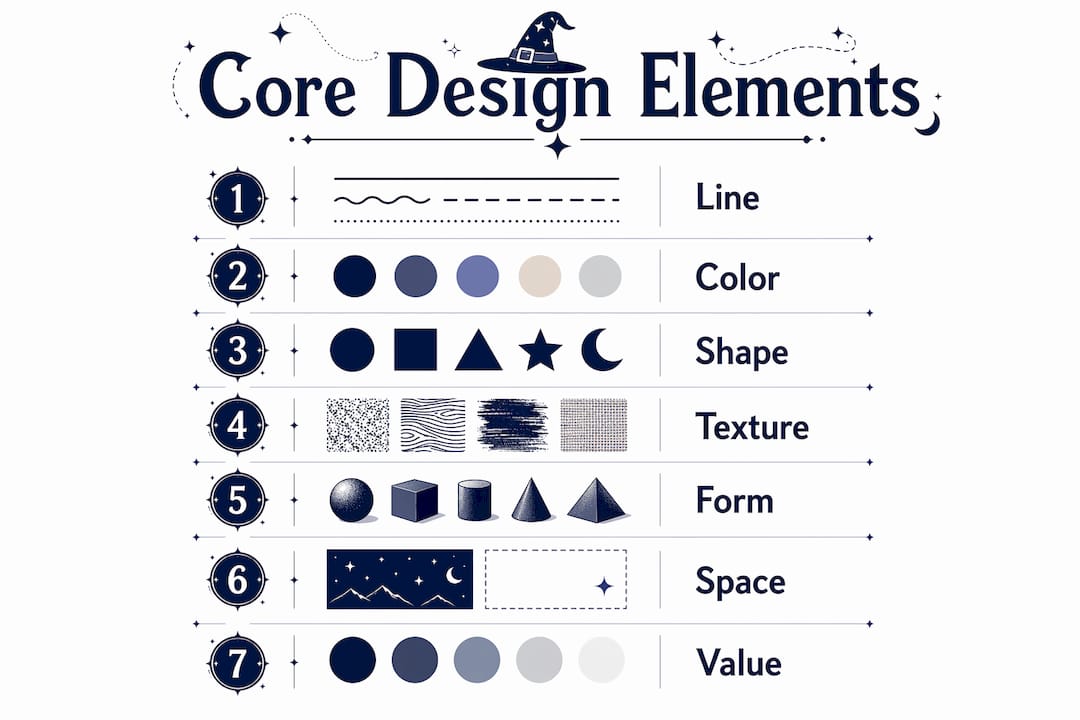
Design in fashion operates across nine core elements: line, color, shape, texture, framing, type, form, space, and value. These nine design elements work together to create structure, movement, and emphasis in every garment. A shift in one element changes how the entire piece reads to the eye and feels on the body. That is why fashion design is essential at every stage of production, not just at the sketch phase.
The importance of design in fashion also extends to appropriateness. Successful design prioritizes fitting the occasion, audience, and context over pure beauty. A graphic hoodie that works perfectly for a casual Saturday feels wrong in a boardroom, not because of quality, but because of design intent. Getting that intent right is what separates forgettable clothing from pieces people reach for repeatedly.
How do aesthetic elements shape what you buy?
Color, texture, proportion, and shape create the visual impact that triggers an emotional response before you even touch a garment. That response is not random. Visual arrangements of point, line, and plane direct a viewer’s attention to specific body regions, shaping perceptions of balance and support. A study with 384 participants aged 18–45 confirmed that these design cues consistently guide where the eye travels. That means a designer controls your perception of a garment’s fit before you try it on.
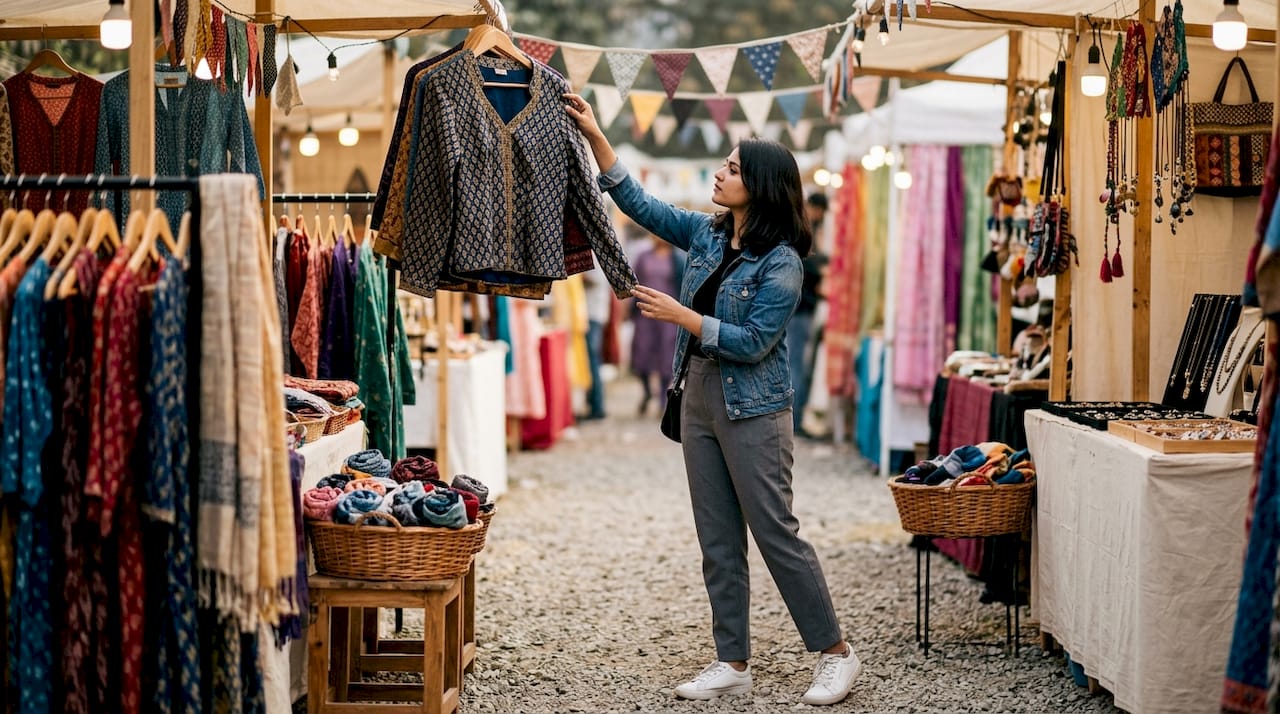
Proportion and balance carry particular weight in this process. Waistline placement, hem length, and the ratio of fitted to relaxed panels all affect how a garment reads as flattering or awkward. Design decisions like waistline placement and texture can determine how often a garment gets worn. A piece you reach for every week is not an accident. It is the result of deliberate proportion choices made during the design phase.
Color and texture add the emotional layer. Warm tones signal energy and confidence. Cool tones read as calm or sophisticated. Rough textures feel casual and tactile. Smooth fabrics feel polished. These associations are deeply ingrained, and skilled designers use them intentionally to create specific moods.
Pro Tip: When shopping for graphic apparel, pay attention to how the print placement interacts with the garment’s seams and proportions. A well-placed graphic uses the shirt’s structure to frame the design, making it look intentional rather than slapped on.
Key aesthetic elements that drive emotional response include:
- Color temperature: Warm hues create energy; cool hues create calm.
- Visual hierarchy: Line and shape guide the eye to the garment’s strongest features.
- Texture contrast: Mixing matte and sheen within one piece adds depth without adding bulk.
- Proportion ratios: The relationship between fitted and relaxed sections shapes how a silhouette reads.
What role does functional design play in fit and comfort?
Fit issues account for 53% of online apparel returns, making fit engineering the single most commercially consequential design discipline in apparel. That statistic reflects a real cost. Every return is a failed design decision, not a failed customer. When a garment does not move with the body, the design is the problem.
Functional design details are the invisible architecture of a great garment. Seam construction, stretch panels, and pocket design work as a cohesive system to improve durability and comfort. Technical design assessments evaluate body movement, fabric behavior, stitch integrity, and trims before a single unit goes into production. Most shoppers never see this work. They just feel the result when a hoodie moves with them instead of pulling at the shoulders.
Fabric choice is equally critical. A fabric that looks right but does not breathe, stretch, or hold its shape after washing fails the wearer regardless of how good the print looks. The role of design in apparel performance means selecting materials that support the garment’s intended use, whether that is a relaxed graphic tee for weekend wear or a structured hoodie built for layering in cooler months.
Pro Tip: Before buying online, check the fabric composition and seam type descriptions. Flatlock seams reduce chafing on activewear. Reinforced side seams signal better durability on casual tops. These details reveal how seriously a brand takes functional design.
Functional details that separate quality garments from average ones:
- Articulated seams: Curved seams that follow body contours instead of running straight across.
- Stretch panels: Fabric inserts at high-movement zones like underarms and side panels.
- Reinforced stress points: Double stitching at pocket corners and hem joins.
- Fabric weight: Heavier weight fabrics hold structure; lighter weights prioritize breathability.
Why do sustainable design choices matter for the environment?
The use-phase of a garment’s life, meaning how long it lasts and how easy it is to care for, accounts for the second-highest environmental impact in the apparel lifecycle. Durability is not just a consumer benefit. It is an environmental one. A garment designed to last five years instead of one year dramatically reduces the waste burden of fashion.
Sustainable design decisions happen before production begins. The design stage is the critical opportunity to reduce material waste through digital pattern design and smarter pre-production workflows. Digital pattern tools allow designers to nest pattern pieces more efficiently, cutting fabric waste before a single yard is cut. That is a design decision with a direct environmental outcome.
Consumer values reinforce this connection. Sustainability values mediate the relationship between design and purchase intent among Generation Z shoppers, with a standardized estimate of 0.246 at p < 0.001. Shoppers are not just buying a look. They are buying alignment with their values. Brands that build sustainability into their design process earn that alignment.
Practical sustainable design techniques include:
- Digital pattern design: Reduces fabric waste by optimizing how pattern pieces are arranged before cutting.
- Durable fabric selection: Choosing materials with proven wash and wear longevity extends garment life.
- Minimal embellishment: Fewer decorative elements mean fewer materials and simpler end-of-life processing.
- Modular construction: Designing garments that can be repaired or altered extends their usable life.
For a deeper look at how graphic apparel brands approach this, 3wizardclothing’s guide on sustainable graphic clothing breaks down the specific design decisions that reduce environmental impact across the garment lifecycle.
How does design drive personal expression and apparel trends?
Clothing design is one of the most direct forms of nonverbal communication available to people. A graphic tee with a bold slogan communicates personality, humor, or political alignment without a single spoken word. The significance of clothing aesthetics lies in this communicative power. Design choices become cultural signals that identify group membership, shared values, and individual identity.
Trend adoption and timeless design principles operate in tension, and that tension is productive. Trends introduce new silhouettes, color palettes, and graphic styles that feel current. Timeless design principles, like balanced proportion and restrained embellishment, keep a garment wearable beyond a single season. The best apparel designs balance form and restraint, choosing specific visual ratios that create lasting appeal rather than chasing novelty.
Cultural movements shape design as much as design shapes culture. Hip hop’s influence on streetwear, for example, introduced oversized silhouettes, bold graphics, and logo-forward design into mainstream fashion. Understanding how hip hop style shapes trends reveals how design elements move from subculture to mass market, often within a single season. Retailers that track these movements can align their design choices with where consumer appetite is heading.
Pro Tip: When building a wardrobe around expressive graphic pieces, anchor them with neutral basics. The graphic item carries the design weight. The basics let it breathe without competing for attention.
The connection between design and buying behavior in retail is direct. Shoppers respond to themed apparel collections because themed design creates a clear identity signal. Halloween graphics, fall palettes, and nerdy references all work because they tell the shopper exactly what the garment communicates before they read a single product description.
Key Takeaways
Apparel design is the primary driver of how clothing looks, performs, connects emotionally, and aligns with consumer values across every purchase decision.
| Point | Details |
|---|---|
| Aesthetics drive purchase intent | Emotional responses to appearance carry a standardized estimate of 0.600 on purchase intent among Generation Z shoppers. |
| Fit engineering reduces returns | Fit issues account for 53% of online apparel returns, making functional design commercially critical. |
| Sustainability starts at design | Digital pattern design and durable material choices reduce environmental impact before production begins. |
| Design communicates identity | Graphic and themed design choices function as cultural signals that express personality and group membership. |
| Proportion shapes perception | Waistline placement, seam curves, and visual hierarchy determine how flattering a garment reads before it is tried on. |
Design is more complex than most shoppers realize
Most shoppers experience design as a feeling, not a decision. You reach for a shirt because it feels right, not because you consciously registered its seam placement or color temperature. That gap between what designers do and what shoppers notice is where the real craft lives.
What I have come to appreciate after years of following apparel closely is that the best design is invisible. You do not notice the articulated shoulder seam on a well-made hoodie. You just notice that it does not pull when you raise your arm. You do not consciously register the proportion of a graphic print relative to the chest panel. You just know the shirt looks right. That invisibility is the mark of design done well.
The shift toward sustainability has made this complexity more visible to consumers, which is genuinely good for the industry. When shoppers start asking about fabric durability and pattern waste, designers have to answer. That accountability pushes design quality upward. Brands that treat design as a surface-level concern, something applied at the end rather than built from the beginning, are losing ground to those that integrate it from the first sketch.
My honest recommendation is to pay attention to the details that most product pages skip. Seam type, fabric weight, and print placement tell you more about a garment’s design quality than any marketing description. Those details are where the real design decisions live.
— Josh
Apparel designed with intention, from 3wizardclothing
The design principles covered in this article, from proportion and color to functional construction and sustainable choices, are exactly what separates clothing worth keeping from clothing that gets donated after two wears.
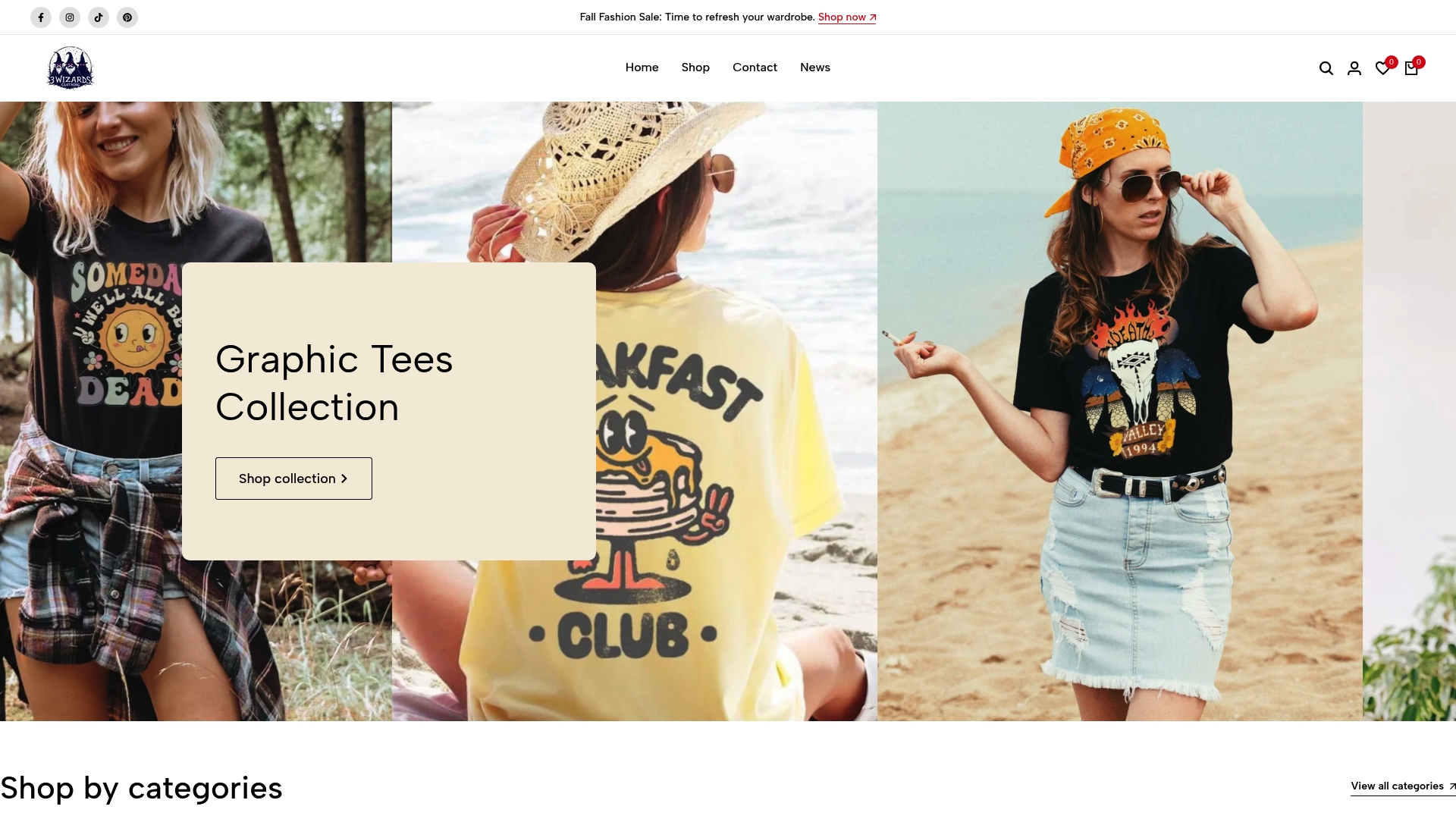
3wizardclothing builds its graphic apparel collections around these same principles. Every tee, hoodie, and tank top in the catalog reflects deliberate design choices in print placement, fabric weight, and garment construction. The Halloween collections, nerdy graphics, and seasonal drops are not just themed for fun. They are designed to communicate something specific and wear well over time. Browse the full range of graphic apparel collections and find pieces that say exactly what you want them to say.
FAQ
Why does apparel design affect purchase decisions?
Emotional responses to a garment’s appearance directly increase purchase intent. Research shows appearance characteristics carry a standardized estimate of 0.600 on emotional values, which then drive buying behavior.
What is fit engineering in clothing design?
Fit engineering is the discipline of designing seams, panels, and fabric choices to match how the human body moves. Fit issues cause 53% of online apparel returns, making it one of the most commercially critical design decisions a brand makes.
How does sustainable design reduce environmental impact?
Sustainable design reduces waste at the source through digital pattern tools, durable fabric selection, and minimal embellishment. The use-phase of a garment’s life accounts for the second-highest environmental impact in the apparel lifecycle, so durability built into the design directly lowers that burden.
How does clothing design express personal identity?
Design elements like graphic prints, color palettes, and silhouette choices function as nonverbal communication. Themed and graphic apparel signals personality, humor, cultural affiliation, and values without requiring any explanation from the wearer.
What makes a clothing design timeless rather than trendy?
Timeless designs balance proportion, restrain embellishment, and apply visual ratios that flatter across body types. Trend-driven designs chase novelty. Timeless designs prioritize wearability, which is why apparel trends and personal style work best when anchored by strong foundational design principles.


