

TL;DR:
- Kids themed clothing features characters, animals, or holidays to promote imaginative play and self-expression. Parents should prioritize safety, quality, and versatility by choosing well-made, safe pieces for everyday and special occasions. Investing in fewer, higher-quality garments allows children to wear their favorite themes longer, supporting identity development.
Kids themed clothing is children’s apparel designed around specific characters, animals, holidays, or fandoms to inspire creative play and self-expression. Unlike plain basics, themed apparel for kids transforms a simple outfit into a storytelling tool. A Marvel superhero tee becomes a cape in a child’s imagination. A Halloween pumpkin hoodie sets the mood for the whole season. Understanding what kids themed clothing is, how it’s made, and when to use it helps parents build wardrobes that are both fun and functional.
What is kids themed clothing and why does it matter?
Kids themed clothing is apparel built around a concept rather than just a color or cut. The theme can be a licensed character like Spider-Man or Elsa, a seasonal motif like Christmas trees or fall leaves, or a broader concept like space exploration or jungle animals. That design choice does more than look cute. It gives children a way to express who they are and what they love before they have the words to explain it.
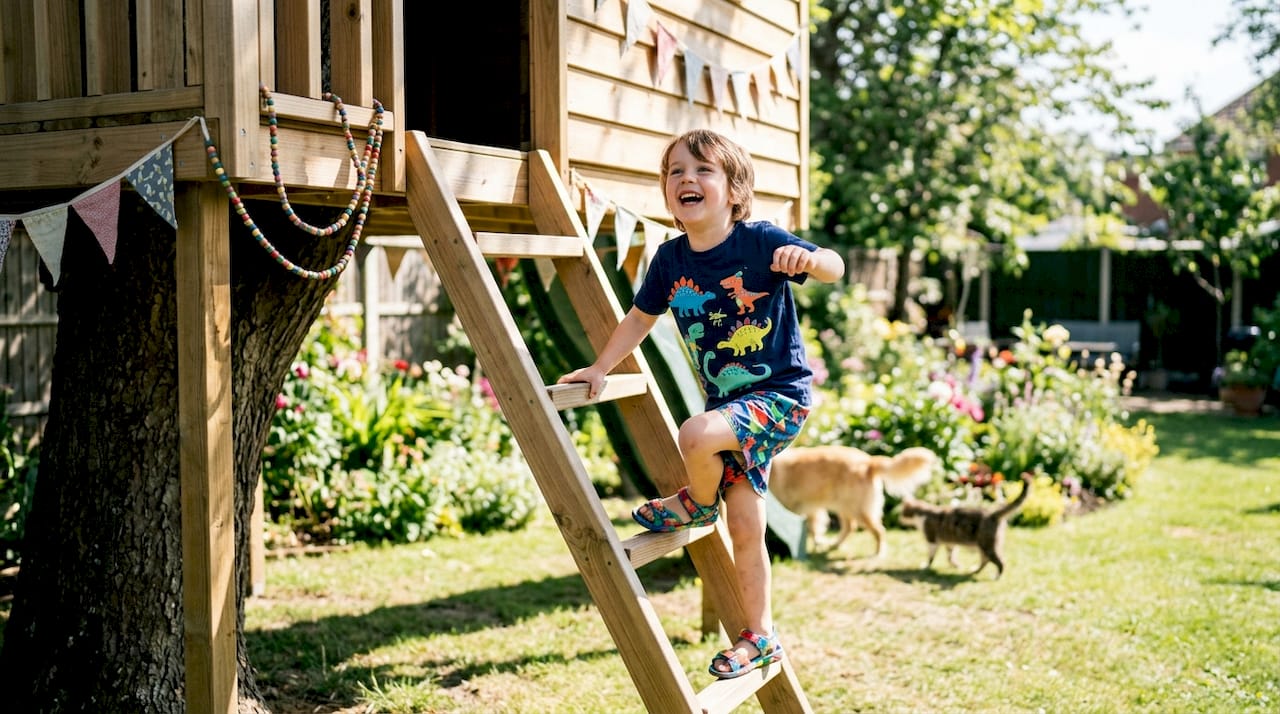
Themed apparel for kids also supports imaginative play in everyday moments. A child wearing a dinosaur shirt is more likely to roar at breakfast. A kid in a princess dress feels the part during a backyard adventure. These small moments of identity reinforcement matter more than most parents realize.
Popular kids clothing themes fall into a few clear categories. Character and fandom themes, including Disney, Marvel, and Pokémon, dominate the market. Seasonal and holiday themes, from Halloween costumes to Christmas pajamas, fill retail shelves each year. Niche themes like outer space, fantasy creatures, and woodland animals round out the options for parents who want something less mainstream.
Popular theme categories: what works and why
The table below shows the most common theme categories in kids fashion, with examples and typical occasions.
| Theme category | Popular examples | Best occasions |
|---|---|---|
| Licensed characters | Marvel, Disney, Pokémon | Everyday wear, birthday parties |
| Seasonal and holiday | Halloween, Christmas, fall harvest | Holidays, school events |
| Animals and nature | Dinosaurs, woodland creatures, ocean life | Everyday play, casual outings |
| Fantasy and adventure | Dragons, space, pirates | Creative play, themed parties |
| Sports and hobbies | Soccer, art, music | After-school activities, casual wear |
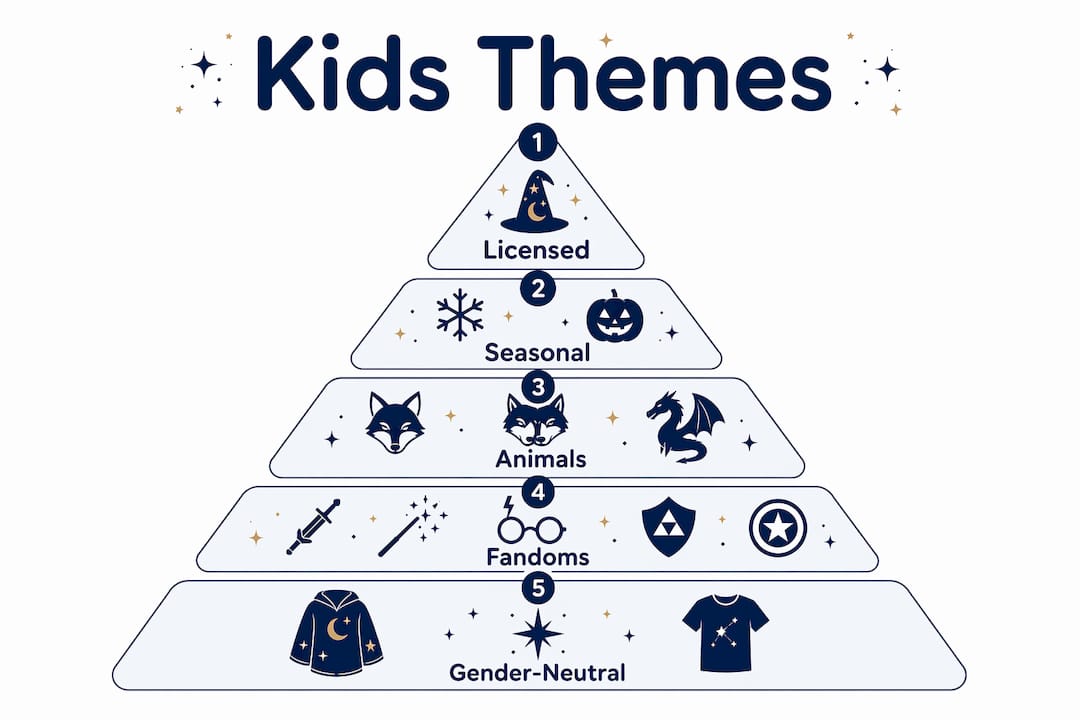
Each category serves a different purpose. Licensed character themes connect children to stories they already love. Seasonal themes create a sense of occasion and tradition. Animal and nature themes tend to have the broadest age appeal, working well from toddler through early elementary years.
Parents often underestimate how quickly children’s preferences shift. A four-year-old obsessed with unicorns may want nothing but dinosaurs by age six. Buying a few pieces per theme rather than a full wardrobe saves money and keeps the closet relevant.
- Character themes build on existing emotional connections to films, shows, and books.
- Seasonal themes have a natural shelf life, making them easy to rotate in and out.
- Animal themes age well and work across genders without leaning into stereotypes.
- Fantasy themes encourage open-ended play with no single narrative attached.
How does kids themed clothing balance design with safety?
Safety is the top priority in children’s clothing design, followed by comfort, style, and practicality. That ranking is not just a guideline. It shapes every decision from fabric selection to how a zipper is attached. Parents shopping for themed kids outfits should look at construction details, not just the graphic on the front.
Children’s clothes require specific design features that adult apparel does not. Fastenings must be secure but easy for small hands to manage. Fabrics must be breathable and gentle against sensitive skin. Fits must account for the proportional differences between a toddler’s body and a school-age child’s body. A themed tee that looks great but pulls tight across the shoulders will get abandoned after one wear.
Key design priorities to check when buying themed apparel for kids:
- Non-toxic materials. Dyes and prints should meet children’s safety standards. Bright colors are not automatically safe.
- Secure fastenings. Buttons, snaps, and zippers should not detach easily. Small parts are a choking hazard for children under three.
- Breathable fabric. Cotton and cotton blends allow airflow during active play. Synthetic-only fabrics trap heat.
- Proper fit. Clothes that are too loose can catch on playground equipment. Too tight restricts movement and discourages wear.
- Print quality. Vibrant, well-integrated prints last longer than surface-applied graphics that crack and peel after a few washes.
Pro Tip: When checking print quality, bend the fabric at the graphic. A high-quality print flexes with the fabric without cracking. A low-quality surface print will show stress lines immediately. This single test predicts how the shirt will look after ten washes.
Style and practicality work together in the best kids themed outfit ideas. A Halloween graphic tee that also works as a layering piece under a jacket gets worn far more than a costume-only item. Parents who think about versatility at the point of purchase get more value from each piece.
When and how to use themed apparel for different occasions
Themed clothing works across a wider range of occasions than most parents use it for. The key is matching the theme’s intensity to the event.
- Holidays and seasonal events. Christmas pajamas, Halloween graphic tees, and fall harvest prints are the most obvious use case. Retailers offer holiday-themed collections year-round, so parents can plan ahead rather than scrambling in october.
- Birthday parties. A child’s favorite character theme on their birthday outfit makes the day feel special without requiring a full costume. It also photographs beautifully.
- Costume events and school spirit days. Themed graphic tees and hoodies are easier to manage than full costumes. They allow kids to participate without restricting movement or requiring help to put on.
- Everyday play. Themed graphic tees and leggings work as daily wear. Pairing a dinosaur tee with solid-color joggers keeps the look balanced and easy to dress.
- Mixing with wardrobe staples. One themed piece per outfit is the practical rule. A character hoodie over plain jeans, or a seasonal tee under a neutral cardigan, keeps the theme present without overwhelming the look.
The most underused application is everyday wear. Parents often save themed pieces for special occasions, but children get the most joy from wearing what they love on ordinary days. A kids graphic wear study found that children who wear expressive clothing report higher confidence during daily activities. Saving the fun shirt for weekends only limits that benefit.
How does the kids themed clothing market shape what parents can buy?
The cartoon-themed kidswear market is projected to grow from USD 26.1 billion to USD 48.7 billion, driven by licensed character IP from streaming platforms and the purchasing power of children’s demographics. That growth has real consequences for parents. More options mean more choices, but also more variation in quality.
Streaming platforms like Netflix and Disney+ accelerate theme cycles. A character that debuts in a new series can appear on retail shelves within months. This speed benefits parents who want current themes, but it also means some licensed products are rushed to market with lower construction standards.
Children’s clothing trends increasingly include unisex and gender-neutral themed options. Brands like Polarn O. Pyret and Tootsa MacGinty have built their identities around inclusive designs that avoid traditional gender-based color and character assignments. This shift gives parents more flexibility and children more freedom to choose themes based on genuine interest rather than marketing categories.
Retail channels for themed kids apparel now span mass merchandisers, specialty children’s stores, and online retailers. Online shopping offers the widest selection, including trendy kids graphic apparel from independent brands that mass retailers do not carry. The tradeoff is that parents cannot check fabric feel or print quality in person before buying.
Durability and cost are the two factors parents weigh most carefully. A cheaper licensed tee may fade or crack after five washes. A better-constructed piece from a smaller brand often outlasts three cheaper alternatives. Over a full season, the math usually favors quality.
Key Takeaways
Kids themed clothing works best when safety, comfort, and theme appeal are treated as equally important rather than traded off against each other.
| Point | Details |
|---|---|
| Safety comes first | Check for non-toxic materials, secure fastenings, and breathable fabric before buying any themed piece. |
| Print quality predicts longevity | Bend the fabric at the graphic before buying. Flexible prints last. Surface-applied graphics crack quickly. |
| Themes serve different occasions | Match theme intensity to the event. Holiday prints for holidays, animal tees for everyday wear. |
| Gender-neutral options are growing | Brands like Polarn O. Pyret offer inclusive themed designs that let kids choose based on interest. |
| Market growth means more choice | The kidswear market expansion brings more options but also more variation in construction quality. |
Why I think parents overthink themed clothing (and underspend on it)
Most parents I talk to treat themed clothing as a novelty category. They buy one Halloween tee, one Christmas pajama set, and call it done. That approach misses most of the value these pieces offer.
Children use clothing to tell stories about themselves. A kid who wears their favorite character every day is not being repetitive. They are practicing identity. The clothing is doing real developmental work. Parents who understand that tend to invest more thoughtfully in a few well-made themed pieces rather than a drawer full of cheap licensed shirts that fall apart by february.
The quality gap in this category is wider than in almost any other kids apparel segment. A $6 licensed tee from a mass retailer and a $22 graphic tee from a specialty brand are not the same product. The cheaper one fades, cracks, and loses its shape. The better one becomes the shirt a child asks for every single morning. That daily request is the clearest signal that the clothing is working.
My honest advice: buy fewer themed pieces, spend a little more on each, and let your child wear them constantly. The guide to themed apparel principle that applies here is simple. One great piece beats five forgettable ones every time. And when a theme runs its course, a well-made garment can be passed down or donated in real condition rather than thrown away.
— Josh
Themed kids apparel worth wearing all season long
3wizardclothing carries seasonal themed apparel built for real kids. The designs are expressive without being fragile, and the prints are made to survive the wash cycles that come with active wear.
The Hello Autumn Tee brings fall harvest energy with cozy critter graphics that work for school days and weekend outings alike. For a slightly different take on the season, the Autumn Vibes Tee pairs fall magic with a relaxed fit designed for kids who move. Both pieces reflect the design priorities covered here: quality prints, comfortable fabric, and a theme kids actually want to wear. Browse the full kids collection at 3wizardclothing to find seasonal and graphic styles built for the way children actually live in their clothes.
FAQ
What is kids themed clothing exactly?
Kids themed clothing is children’s apparel designed around a specific character, season, animal, or concept to support imaginative play and self-expression. It goes beyond decoration by connecting clothing to stories and identities children care about.
What are the most popular kids clothing themes?
Licensed characters like Marvel, Disney, and Pokémon are the most popular, followed by seasonal themes like Halloween and Christmas, and nature themes like dinosaurs and woodland animals.
How do I know if a themed kids outfit is safe?
Check for non-toxic dyes, secure fastenings with no small detachable parts, and breathable fabric. Safety is the top design priority in children’s clothing, ahead of comfort and style.
How do I choose between everyday and occasion-specific themed pieces?
Everyday themed pieces work best in neutral formats like graphic tees and leggings paired with solid basics. Occasion-specific pieces like holiday prints or character costumes are designed for shorter, higher-impact use.
Are gender-neutral themed options available for kids?
Gender-neutral themed clothing is a growing segment. Brands like Polarn O. Pyret and Tootsa MacGinty specialize in inclusive designs that let children choose themes based on personal interest rather than traditional gender categories.


