

TL;DR:
- Expressive fashion uses intentional design elements like color, texture, and graphics to communicate personal identity nonverbally. It influences feelings, perceptions, and confidence by deliberately shaping style as a form of social language.
Expressive fashion is the deliberate use of clothing, color, texture, and graphics to communicate personal identity without words. It is the recognized industry term for what fashion psychologists call “enclothed cognition,” the idea that what you wear shapes how you feel and how others read you. 82% of high-school-aged shoppers use fashion as a primary form of personal expression, compared to 62% of Gen Z consumers overall. That gap shows how deeply style functions as a social language for young people. Whether you reach for a graphic hoodie, a layered texture combination, or a bold color palette, every choice sends a signal.
What is expressive fashion and what makes it different?
Expressive fashion is defined as the intentional use of design elements such as color, texture, silhouette, and graphics to convey personal identity as a nonverbal language. The key word is intentional. Wearing a loud print by accident is just noise. Choosing that print because it reflects your humor, culture, or mood is expressive fashion. The difference lies in the thought behind the choice, not the volume of the look.
This approach treats clothing as a communication tool rather than a uniform or a trend obligation. A plain white tee says almost nothing on its own. Pair it with a graphic that references your favorite subculture, add a textured overshirt, and suddenly the outfit tells a story. That story is the core of what expressive fashion does.
The concept connects directly to fashion psychology research on enclothed cognition. Clothing affects the wearer’s mindset and the perceptions of people around them. Expressive fashion takes that psychological reality and uses it on purpose.
What elements make fashion expressive?
Four core design elements carry the most communicative weight in expressive fashion: color, texture, silhouette, and graphics. Each one functions like a word in a visual sentence.
Color signals mood and energy most immediately. Saturated reds and oranges project confidence and energy. Muted earth tones suggest groundedness or introspection. Wearing all black reads as authority or minimalism depending on context. Color is the fastest signal your outfit sends before anyone reads a graphic or touches a fabric.
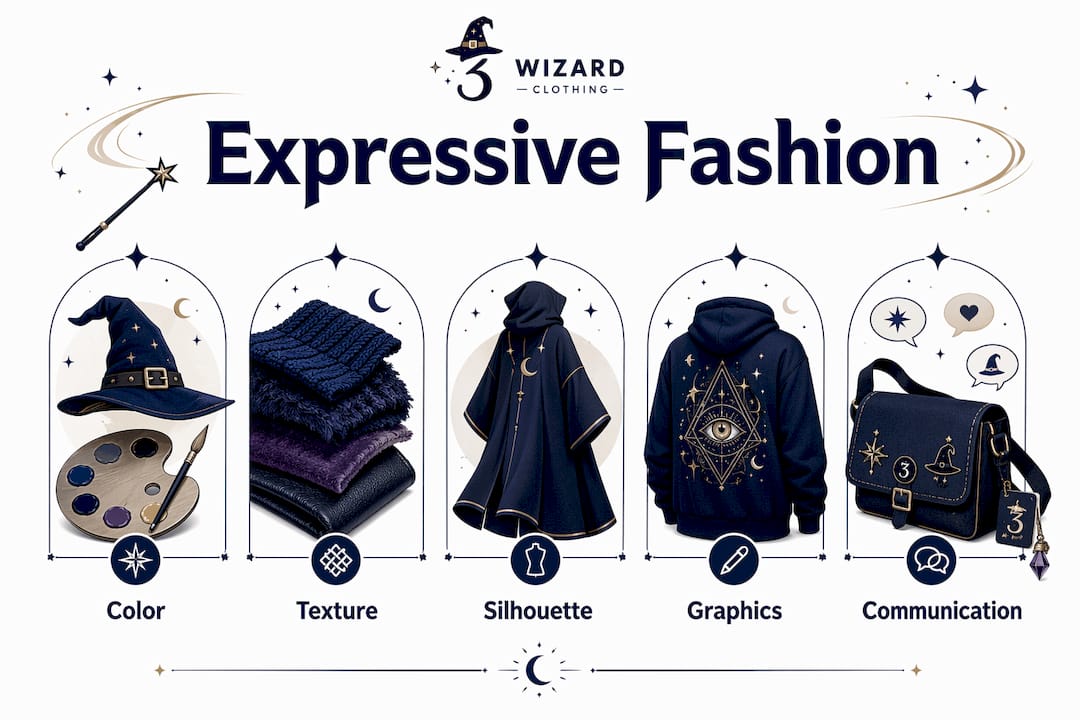
Texture communicates personality at a sensory level. Velvet reads as luxurious and deliberate. Distressed denim reads as casual and lived-in. Combining mesh with denim creates contrast that feels curated rather than accidental. Texture layering is one of the most underused tools in expressive dressing because most people think only in terms of color.
Silhouette shapes the physical presence you project. Oversized silhouettes signal ease and counterculture influence. Structured, tailored cuts project discipline and formality. Asymmetric cuts challenge convention and attract attention. The shape of your clothing frames everything else you are communicating.
Graphics are the most literal expressive element. A graphic tee from a band, a cultural reference, or a humorous slogan functions as a direct statement. Intentional selection of bold graphics in streetwear builds identity rather than just following trends.
| Element | What it communicates |
|---|---|
| Color | Mood, energy level, cultural affiliation |
| Texture | Personality depth, sensory preference, lifestyle |
| Silhouette | Social stance, confidence level, cultural reference |
| Graphics | Direct identity statements, humor, subculture membership |
| Layering | Complexity, creativity, intentional curation |
Pro Tip: Graphic placement changes the message. A bold logo centered on the chest reads as a declaration. The same graphic on a sleeve reads as a detail, more subtle and personal. Shift placement to shift the volume of your statement.
How does expressive fashion influence identity and emotions?
Expressive fashion serves as a medium for personality and cultural storytelling, building creativity, confidence, and individualism. Research in fashion psychology consistently shows that clothing choices affect self-esteem, mood, and social confidence. When your outfit reflects who you actually are, you carry yourself differently. That is not a metaphor. It is a documented psychological effect.
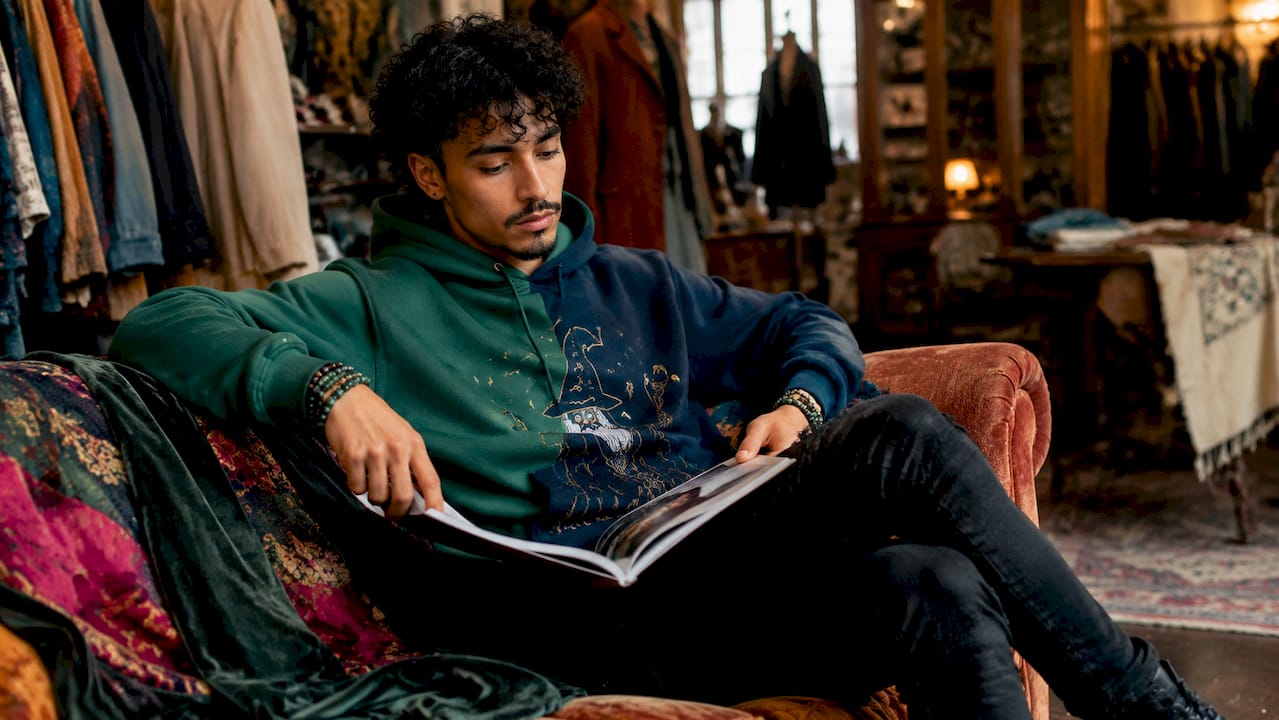
Strong visual cues like color stories and fabric weights function as emotional scripts, eliciting specific reactions from the people around you. Designers at institutions like RMCAD describe this as writing a narrative with cloth. The audience reads the story whether they realize it or not.
Cultural heritage plays a significant role here too. Expressive clothing has always carried cultural memory. Traditional prints, regional color palettes, and artisan techniques all embed stories into fabric. When you wear a piece that references your background, you are not just dressing. You are preserving and sharing a narrative.
The psychological benefits of embracing expressive fashion are concrete:
- Increased self-confidence from wearing clothing that aligns with your identity
- Reduced social anxiety through clear nonverbal communication of who you are
- Stronger sense of community with people who share your visual language
- Greater emotional resilience from treating your appearance as an authentic choice
- Creative stimulation from treating outfit building as a form of artistic practice
Breaking societal norms through expressive fashion builds personal authenticity and deeper community bonds, even when the fear of judgment feels real. That fear is the main barrier most people face. The solution is not to ignore it but to start small. One expressive piece per outfit builds confidence faster than a complete wardrobe overhaul.
Pro Tip: If bold choices feel risky, anchor one expressive statement piece with neutral basics. A graphic hoodie over plain black pants lets the piece speak without the outfit feeling like a costume.
What are current expressive fashion trends and how do you create your own looks?
Gen Z and urban streetwear culture are driving the most visible expressive fashion trends right now. Bold color palettes, texture layering, and graphic-heavy silhouettes dominate. Oversized hoodies with statement graphics, color-blocked outerwear, and mixed-fabric layering are all expressions of the same core idea: clothing as identity broadcast. You can find practical inspiration in resources like the expressive clothing style guide from 3wizardclothing, which breaks down how bold teens are building their wardrobes with intention.
Creating your own expressive outfits does not require a large budget or a fashion background. It requires clarity about what you want to say.
- Identify your core identity signals. List three words that describe how you want to be perceived. Funny, creative, and bold is a different wardrobe than calm, artistic, and unconventional.
- Choose one anchor piece per outfit. Build around a single expressive item. Everything else supports it rather than competing with it.
- Apply the texture rule. Combine at least two different fabric textures in every outfit. This creates depth that reads as intentional rather than accidental.
- Use color with purpose. Pick a dominant color that matches your intended mood for the day. Add one contrasting accent color for visual interest.
- Check graphic placement. Before you leave the house, consider whether your graphic is a declaration or a detail. Adjust based on the message you want to send.
The distinction between DIY expressive looks and artisanal, crafted pieces matters more than most people realize. A hand-distressed denim jacket carries emotional weight that a factory-distressed version does not. Imperfect, personal touches signal authenticity. Artisanal pieces signal investment and care. Both are valid. The question is what story you want your clothing to tell.
| Approach | Strengths | Best for |
|---|---|---|
| DIY and personalized | Unique, emotionally resonant, low cost | Personal storytelling, subculture identity |
| Artisanal and crafted | Durable, high quality, culturally rich | Investment pieces, heritage expression |
| Graphic apparel | Direct, accessible, trend-responsive | Daily expression, humor, community signals |
For a deeper look at how current trends shape personal style, the apparel trends and self-expression guide from 3wizardclothing covers the psychological side of trend adoption in detail.
How do you keep expressive fashion authentic and intentional?
Authenticity is the quality that separates expressive fashion from costume. Expressive Clarity, a philosophy developed by SELVANE, defines this as treating your wardrobe as a structural and intellectual asset that communicates both personal and professional identity with deliberate intent. The idea is that every piece you own should earn its place by saying something true about you.
The most common pitfall is trend-chasing without a personal filter. Trends are useful as raw material. They show you what is available and what the cultural moment is producing. But wearing a trend because everyone else is wearing it produces an outfit that communicates nothing specific about you. It communicates that you follow trends. That is a statement, but rarely the one people intend to make.
Curating an intentional wardrobe starts with editing rather than adding. Remove pieces that no longer reflect who you are. Keep pieces that have emotional or cultural significance, even if they are not currently trending. Invest in a small number of high-quality expressive anchor pieces rather than a large number of disposable trend items. Quality pieces carry more communicative weight and last longer in both physical and emotional terms.
A practical test for any new purchase: ask whether the piece says something true about you or whether you are buying it because it is popular right now. If the honest answer is the latter, the piece will feel wrong within a season. If the answer is the former, it will feel right for years.
Key Takeaways
Expressive fashion is the intentional use of color, texture, silhouette, and graphics to communicate personal identity, and authenticity is what separates meaningful style from trend-following noise.
| Point | Details |
|---|---|
| Definition of expressive fashion | Expressive fashion uses design elements intentionally to communicate identity as a nonverbal language. |
| Core expressive elements | Color, texture, silhouette, and graphics each carry distinct communicative weight in any outfit. |
| Psychological impact | Wearing clothing that aligns with your identity builds confidence, reduces social anxiety, and strengthens community bonds. |
| Building expressive outfits | Start with one anchor piece, apply the texture rule, and use color with a specific mood in mind. |
| Authenticity over trends | Treat your wardrobe as a curated asset and filter trends through your personal identity rather than adopting them wholesale. |
Why expressive fashion is more than a style choice
I have watched expressive fashion shift from a niche concept to a genuine cultural force, and the change is not cosmetic. Young people are using clothing to do work that previous generations did with words: declaring identity, signaling community, and challenging norms. The 82% statistic about high-school-aged shoppers is not surprising to me. It confirms what I see every day. Clothing is the first language most of us speak publicly.
What I find underappreciated is the role of intentionality. Most style advice focuses on what to wear. The more interesting question is why you are wearing it. When you can answer that question clearly, your outfits stop being random and start being coherent. That coherence is what people respond to. It is not the loudness of the look. It is the clarity behind it.
The future of expressive fashion will involve sustainability more directly. Buying fewer, more meaningful pieces is already the direction the most thoughtful dressers are moving. That aligns perfectly with the authenticity principle. An expressive wardrobe built on intentional, durable pieces is both more honest and more responsible than one built on fast fashion volume. The two goals reinforce each other.
— Josh
Expressive clothing collections worth exploring
3wizardclothing specializes in graphic apparel built for people who want their clothing to say something. From bold graphic tees and statement hoodies to themed seasonal collections, the catalog is designed around the idea that casual wear can carry real expressive weight.
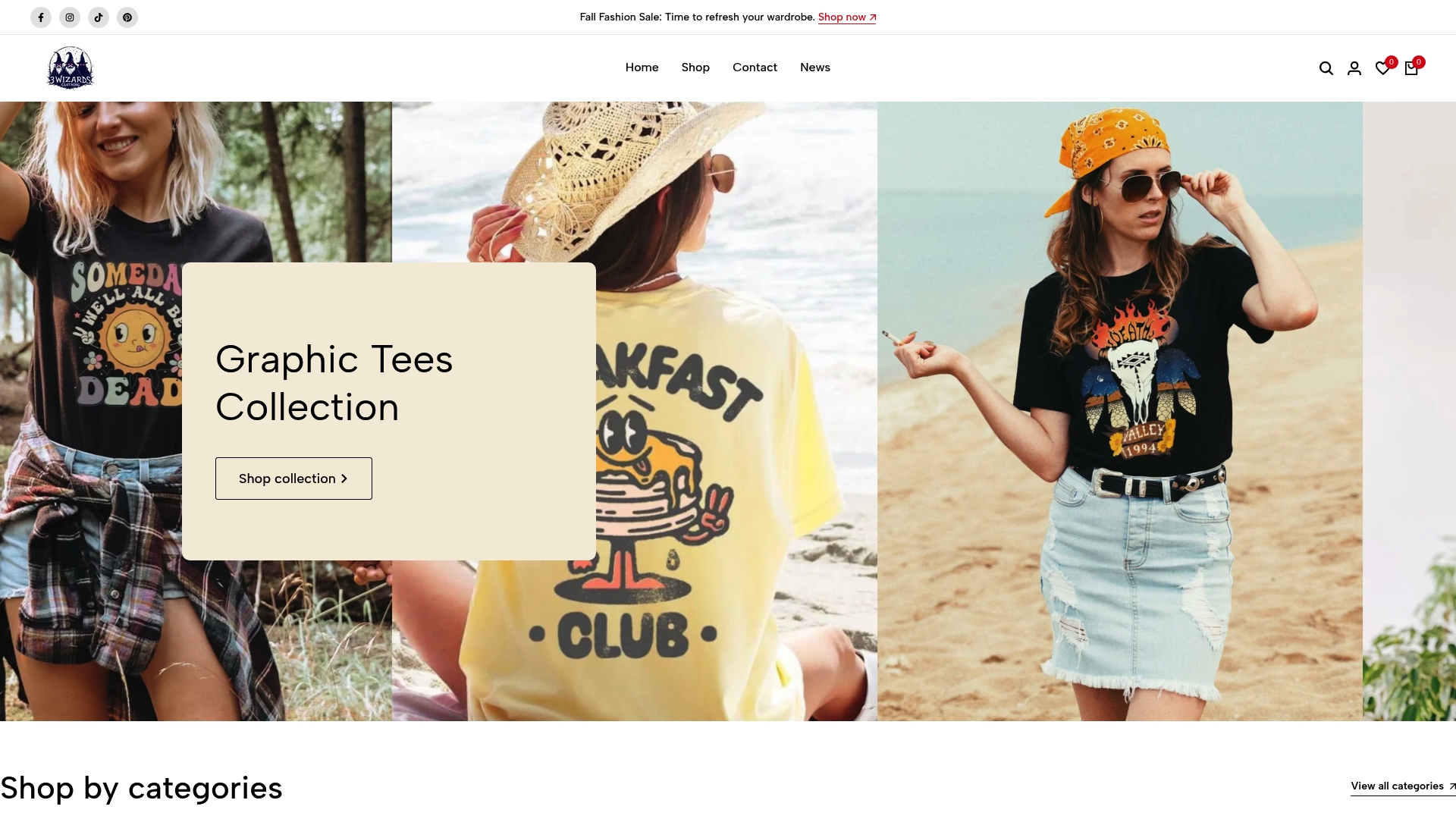
Whether you are building your first intentional wardrobe or adding anchor pieces to an existing one, the 3wizardclothing collection covers a wide range of expressive styles across men’s, women’s, and kids’ categories. The graphic-heavy designs draw on humor, subculture, and seasonal themes to give you direct, accessible expressive options. If you want clothing that communicates who you are without requiring a fashion degree to decode, this is a practical starting point.
FAQ
What is expressive fashion in simple terms?
Expressive fashion is the intentional use of clothing elements like color, texture, and graphics to communicate personal identity without words. It treats every outfit as a nonverbal statement about who you are.
What are some expressive clothing examples?
Bold graphic tees, color-blocked hoodies, texture-layered outfits combining denim with mesh, and culturally referenced prints are all strong expressive clothing examples. The key is that each piece carries a deliberate message rather than being chosen at random.
How do expressive designs in fashion work?
Expressive designs use visual cues like placement, color contrast, and fabric weight to script emotional responses in the viewer. A graphic centered on the chest reads as a declaration, while the same graphic on a sleeve reads as a personal detail.
How do you create expressive outfits without overdoing it?
Start with one anchor piece that carries your main message and build the rest of the outfit in neutral or complementary tones. This lets the expressive element speak clearly without the overall look feeling like a costume.
Why does expressive fashion matter for young people?
Research shows that 82% of high-school-aged shoppers use fashion as their primary form of personal expression. For young people navigating identity, clothing is one of the most immediate and accessible tools for communicating who they are and finding their community.
Recommended
- Why expressive clothing matters: showcase your unique style – 3 Wizard Clothing
- Expressive clothing explained: How fashion showcases personality – 3 Wizard Clothing
- What is expressive clothing? Define your style with bold fashion – 3 Wizard Clothing
- Expressive Clothing Style Guide for Bold Teens – 3 Wizard Clothing


