

TL;DR:
- Retro graphic fashion features new clothing with bold, nostalgic designs inspired by past decades.
- It differs from vintage clothing, which consists of authentic, older garments with natural wear.
- Styling involves balancing graphics with simple pieces, layering thoughtfully, and blending eras for modern appeal.
Retro graphic fashion is everywhere right now, and it’s not about raiding your grandparents’ closet. The real trend is something much more interesting: brand-new clothing built around bold, nostalgic visuals that feel like a time machine stitched into cotton. Think neon arcade fonts, 90s cartoon characters, and chunky pixel art on fresh tees that fit perfectly and wash without drama. This guide covers everything you need to know, from what retro graphic fashion actually means, to how it differs from vintage, where it came from historically, why it’s booming culturally, and how to wear it with confidence and personality today.
Table of Contents
- Defining retro graphic fashion: Meaning and essentials
- Retro vs. vintage: What’s the difference?
- A brief history of graphic tees and retro design
- Why retro graphic fashion matters: Identity, humor, and culture
- How to style retro graphic apparel for today
- What most retro graphic guides forget: Mixing nostalgia with modern values
- Explore unique retro graphic tees at 3 Wizard Clothing
- Frequently asked questions
Key Takeaways
| Point | Details |
|---|---|
| Retro is not vintage | Retro graphic fashion means new clothing with nostalgic designs, while vintage is authentically old. |
| Bold visuals drive appeal | Neon colors, pixel art, and pop culture icons make retro graphics stand out. |
| Roots in history | Graphic tees evolved from war-time prints to pop culture essentials, inspiring today’s retro styles. |
| Expression and humor | Retro graphic apparel helps wearers express personality, wit, and cultural connections. |
| Easy to style | Mixing retro graphics with modern basics creates unique, fashion-forward outfits anyone can wear. |
Defining retro graphic fashion: Meaning and essentials
Retro graphic fashion is not about wearing old clothes. It’s about wearing new clothes that look and feel like they belong to another era. The designs pull from specific decades, usually the 70s through Y2K, and remix those visual languages into something wearable and fresh today.
According to retro style research, retro graphic fashion refers to contemporary apparel, primarily t-shirts and graphic tees, featuring designs inspired by past eras such as the 70s through 90s and Y2K, including nostalgic prints, bold slogans, pixel art, neon colors, and cultural references that evoke humor, individuality, and nostalgia. That definition captures what makes this style so distinct: it’s intentional, expressive, and built for storytelling.
The visual toolkit of retro graphic fashion includes a few signature elements:
- 70s funk: Earth tones, groovy lettering, floral bursts, and psychedelic swirls
- 80s arcade: Neon colors, pixel art, bold geometric shapes, and pop culture icons
- 90s cartoons: Bright primaries, chunky outlines, irreverent humor, and Saturday morning nostalgia
- Y2K: Metallic finishes, glitter effects, futuristic fonts, and early internet aesthetics
What separates retro graphic fashion from plain fast fashion is the intent behind the design. These aren’t generic prints slapped on a blank tee. They’re visual stories. Understanding casual wear graphics means recognizing that every color choice, font, and image is communicating something about the wearer’s personality, humor, or cultural identity.
The popularity of graphic tees has surged precisely because people want clothes that say something. Retro graphics give wearers a shorthand for self-expression that plain basics simply can’t match.
Retro vs. vintage: What’s the difference?
People use “retro” and “vintage” interchangeably all the time, but they mean very different things. Getting this right changes how you shop, how you style, and how you talk about what you’re wearing.
Retro differs from vintage in a fundamental way: retro is newly made with past-inspired designs using modern materials, while vintage refers to authentic items that are 20 or more years old and carry natural wear from their actual age.
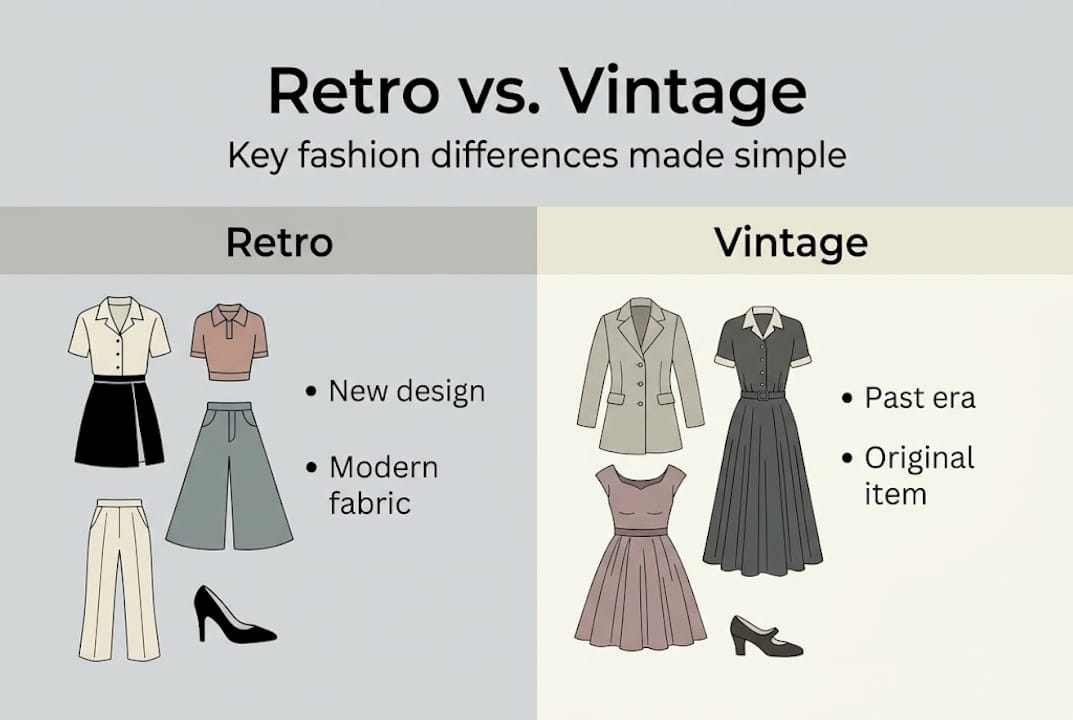
Here’s a clear side-by-side comparison:
| Feature | Retro | Vintage |
|---|---|---|
| Source | New production | Authentic past era |
| Materials | Modern fabrics and inks | Original era materials |
| Price | Generally affordable | Often premium for rare pieces |
| Care | Easy, machine washable | Delicate, may need special care |
| Fit | Consistent, true to size | Variable, may need tailoring |
| Aesthetic | Inspired, remixed | Authentic, worn-in |
Why does this distinction matter? Because it shapes your entire shopping strategy. If you want expression and identity through your wardrobe without the treasure-hunt hassle, retro graphic apparel gives you that on demand. If you want rare, one-of-a-kind authenticity and you’re willing to hunt thrift stores and pay more, vintage is your lane.
Pro Tip: The sharpest looks often blend both. Pair a brand-new retro graphic tee with a genuine vintage denim jacket for a layered, textured outfit that feels personal and considered rather than costume-like.
Neither approach is better. They serve different style goals, budgets, and lifestyles. Knowing which is which just makes you a smarter, more intentional dresser.
A brief history of graphic tees and retro design
Graphic tees didn’t start as a fashion statement. They started as military gear. Understanding that origin makes the whole retro graphic movement feel even more fascinating.
The history of graphic tees traces back to WWII military prints, evolved through plastisol ink developed in 1959 that enabled vibrant mass production, and was then popularized by Hollywood in the 1950s, counterculture movements in the 1960s, and band merchandise in the 1970s. Each decade added a new layer to the visual vocabulary.
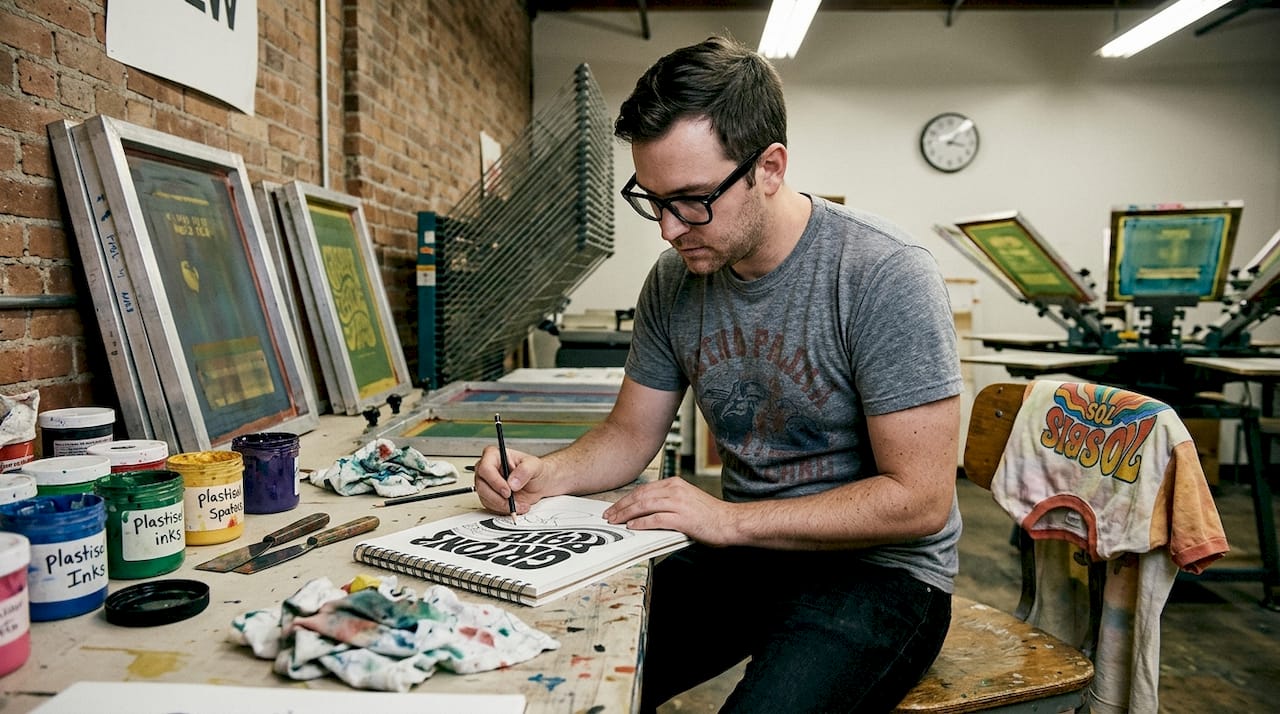
Here’s a quick timeline of how graphic tee design evolved:
| Decade | Key development |
|---|---|
| WWII era | Military unit prints, functional identification |
| 1950s | Hollywood promotional tees, celebrity culture begins |
| 1960s | Counterculture slogans, tie-dye, protest graphics |
| 1970s | Band tees, iron-on prints, pop art influence |
| 1980s | Screen printing boom, neon colors, brand logos |
| 1990s/Y2K | Cartoon graphics, streetwear crossover, internet aesthetics |
Several design techniques made retro styles iconic and keep them coming back in cycles:
- Plastisol ink printing: Creates that thick, slightly raised feel associated with vintage tees
- Bold display fonts: Oversized lettering that commands attention and reads from across the room
- Hand-drawn illustration: Imperfect, organic linework that feels human and warm
- Distressed overlays: Intentional fading or cracking that mimics age and wear
These techniques are why graphic tees in fashion trends keep cycling back. They tap into something emotionally resonant. And creative t-shirt trends in 2026 show designers still borrowing heavily from these foundational methods.
Why retro graphic fashion matters: Identity, humor, and culture
Retro graphic fashion isn’t just a visual trend. It’s a cultural conversation happening on the front of a shirt.
The graphic tees market was valued at USD 28.87 billion in 2024, projected to reach USD 42.69 billion by 2032 at a CAGR of 5.04%, driven by casual wear, streetwear, and nostalgia. The vintage and resale segment alone is growing at 9.8%, heading toward $110 billion by 2033. Those aren’t small numbers. That’s a massive cultural appetite for expressive, story-driven clothing.
What does wearing a retro graphic tee actually communicate? Quite a lot:
- Humor: A well-chosen graphic signals that you don’t take yourself too seriously
- Fandom: Referencing a show, band, or game says “I belong to this community”
- Nostalgia: Wearing a 90s cartoon image connects you to a shared cultural memory
- Irony: Remixing an old image in a new context creates layered meaning
- Individuality: Choosing a specific graphic over a plain tee is a deliberate identity statement
Memes turned into streetwear. Classic TV images land on hoodies. Retro arcade characters show up on tote bags. This is culture being worn, not just displayed. Graphic tees and youth style research shows that 53% of young people consider graphic tees essential to their personal style, which tells you everything about how central expressive apparel has become.
Retro graphics also bridge generations. A parent and a teenager can both appreciate a well-designed 80s throwback for completely different reasons. That cross-generational pull is rare in fashion and explains why retro graphic styles keep finding new audiences.
How to style retro graphic apparel for today
Knowing what retro graphic fashion is and why it matters is one thing. Actually wearing it well is another. Here’s how to do it right.
Building strong outfits around retro graphic tees comes down to a few clear steps:
- Pick one focal point: Let the graphic be the star. Keep everything else simple and neutral so the design breathes.
- Mix eras intentionally: A 70s-inspired tee with modern slim-cut trousers creates interesting tension. Don’t match everything to the same decade.
- Layer thoughtfully: An open flannel shirt, denim jacket, or lightweight cardigan adds dimension without competing with the graphic.
- Coordinate colors, don’t match them: Pull one color from the graphic and echo it in your shoes or bag for a cohesive but not costume-like look.
- Accessorize with restraint: Simple sneakers, a clean cap, or a single chain keeps the focus where it belongs.
Retro remixes past aesthetics with modern technology and ethics for better accessibility and sustainability, which means you don’t have to sacrifice comfort or values to dress expressively. Styling graphic tees well is about balance, not rules.
Pro Tip: Pair a bold retro graphic tee with sustainable graphic clothing basics like organic cotton joggers or recycled denim for a look that feels modern and responsible. The graphic does the talking; the rest of the outfit just needs to listen.
Personalization takes it further. Add patches, crop or hem a tee for a custom fit, or layer over a long-sleeve shirt for an unexpected silhouette. Choosing unique graphic tees means thinking about what the design says about you, not just whether it looks cool on a hanger.
What most retro graphic guides forget: Mixing nostalgia with modern values
Most style guides stop at the visual. They tell you what colors were popular in 1987 or which cartoon characters are trending. That’s useful, but it misses something bigger.
Real style in 2026 means asking why you’re drawn to a particular graphic, not just whether it looks good. The most interesting retro-inspired wardrobes we see aren’t copy-paste nostalgia. They’re personal remixes. Someone wearing a hand-drawn 70s-style tee made from eco-friendly graphic apparel materials is making a statement that goes beyond aesthetics. They’re saying the past inspires them, but the present matters too.
Cultural remixing is also worth thinking about carefully. Borrowing visual languages from past subcultures works best when it comes from genuine appreciation rather than surface-level trend chasing. The difference shows. Clothes that feel authentic to the person wearing them always read better than clothes that feel like a costume.
Accessibility and inclusive design are increasingly shaping how retro graphics get made and worn. Bold, expressive graphics aren’t just for one body type, one age group, or one gender. The best retro graphic brands understand this and design accordingly. That’s the evolution most trend guides ignore entirely.
Explore unique retro graphic tees at 3 Wizard Clothing
You’ve got the knowledge. Now it’s time to find pieces that actually match your personality. At 3 Wizard Clothing, we design graphic apparel that takes nostalgic inspiration seriously without taking itself too seriously.
From the cozy, seasonal charm of the Pumpkin Season Tee to the effortlessly cool Simple Sneaker Tee, our collection is built for people who want their clothes to say something real. Every design is made to wear, not just to own. Browse the full range of graphic apparel and find the pieces that feel like you.
Frequently asked questions
What makes a graphic tee ‘retro’?
A graphic tee is considered retro when it is newly made with designs inspired by past decades, such as 70s, 80s, or 90s visuals and cultural references, rather than being an actual garment from that era.
Is retro graphic fashion only for t-shirts?
Not at all. While t-shirts are the most popular canvas, retro graphic fashion also shows up on hoodies, sweatshirts, hats, and accessories featuring nostalgic prints and bold designs.
How is retro clothing different from vintage clothing?
Retro clothing is new apparel designed in an old style using modern materials, while vintage clothing is authentic from a past era, typically over 20 years old, with real wear and original construction.
Why are retro graphic tees popular now?
Nostalgia, bold visuals, humor, and cultural storytelling drive demand. The graphic tees market hit USD 28.87B in 2024 and keeps growing, fueled by streetwear culture and the desire for self-expression.
Can you mix retro graphics with modern or minimalist outfits?
Absolutely. Pairing a retro graphic tee with clean, minimal basics like solid trousers or simple sneakers creates a balanced look that lets the graphic stand out without overwhelming the overall outfit.
Recommended
- Shop Trendy Graphic Clothing: 68% More Style Satisfaction – 3 Wizard Clothing
- Role of Graphic Tees in Fashion Trends Today – 3 Wizard Clothing
- How graphics shape casual wear style in 2026 – 3 Wizard Clothing
- What is a graphic hoodie? Styles and trends guide – 3 Wizard Clothing
- Retro and Reproduction


