

TL;DR:
- Seasonal sales are strategic discount cycles that influence consumer purchase timing and trend adoption. They shape retail calendars by encouraging early deal-seeking and deepen brand reliance on promotions, risking lower loyalty. Proper discipline in markdown timing and targeting can preserve margins, accelerate trends, and build long-term customer value.
Seasonal sales are defined as structured discount cycles that clear inventory, stimulate demand, and shape when consumers buy. The role of seasonal sales in fashion extends far beyond a simple price cut. These events set the rhythm of the retail calendar, influence which trends gain traction, and determine whether a brand protects its margins or falls into a pricing spiral. Mintel’s 2026 U.S. report confirms that 75% of consumers say shopping during sales is more important than ever. That number signals a structural shift in how fashion retail operates, not just a seasonal habit.
How do seasonal sales influence consumer purchase behavior?
Seasonal sales reshape the timing of purchases more than any other marketing lever. Consumers no longer buy when they need something. They buy when the price is right. An Optimove 2026 survey found that 26% of shoppers started deal-seeking as early as january and february, well before peak summer events. That early behavior means brands must plan promotional calendars months in advance, not weeks.
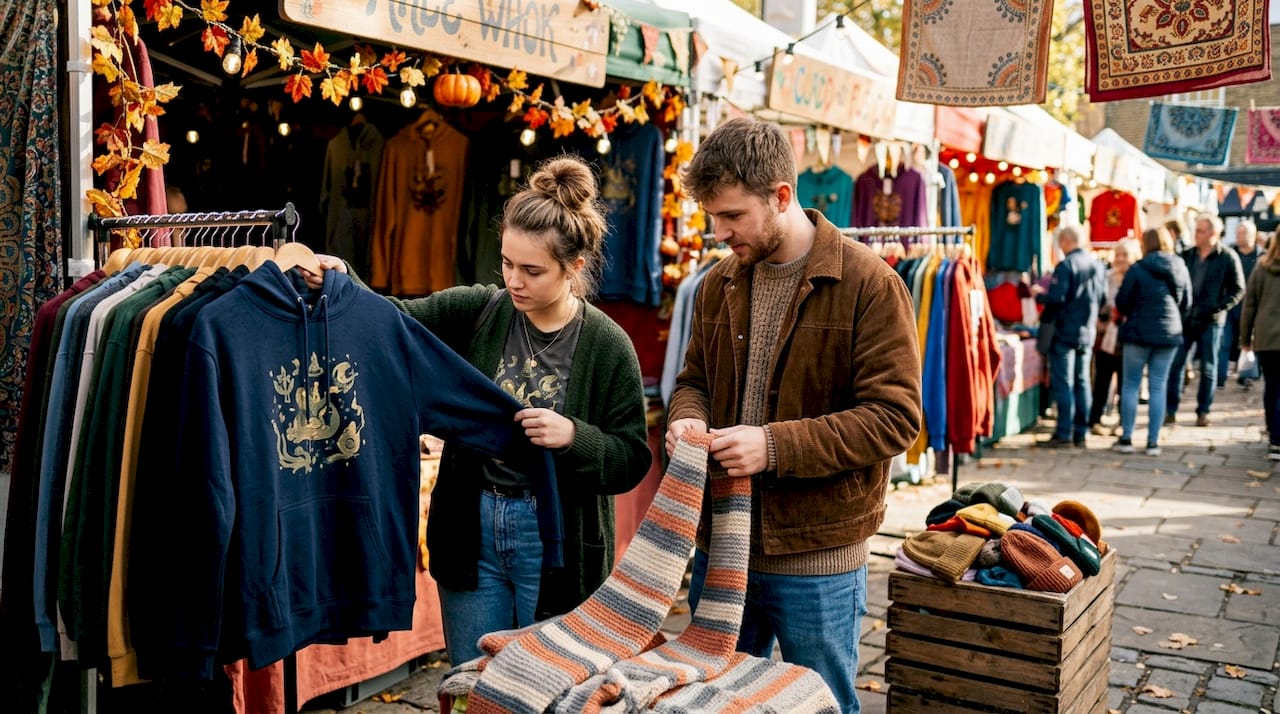
The psychological mechanics behind this are well documented. Scarcity signals, countdown timers, and tiered discount reveals all trigger urgency. Shoppers who feel they are getting a genuine deal are more likely to add items to their cart and complete checkout. The impact of seasonal discounts on conversion rates is real, but it comes with a catch: buyers acquired through deep discounts often have weaker long-term loyalty than full-price customers.
Consumer behavior during sales also reflects a desire for transparency. Mintel’s research shows consumers want clear proof that a markdown is authentic, not an inflated original price followed by a fake cut. Brands that communicate genuine savings build trust. Brands that manufacture urgency without substance lose repeat buyers fast.
Key behavioral patterns that define seasonal shopping:
- Deal timing shifts: Shoppers delay full-price purchases in anticipation of known sale windows like Black Friday, end-of-summer, and post-holiday clearance.
- Category concentration: Consumers tend to stock up on basics and graphic apparel during sales, while reserving impulse buys for trend pieces at full price.
- Personalization expectations: Shoppers increasingly expect sale messaging tailored to their purchase history, not generic sitewide banners.
- Trust sensitivity: Perceived authenticity of a discount directly affects whether a shopper converts and whether they return.
Pro Tip: Segment your sale audience by purchase history before launching a promotion. Customers who bought at full price in the last 90 days deserve a loyalty-first offer, not the same 30% off banner you send to cold traffic.
Understanding seasonal fashion trends helps brands align their promotional timing with actual consumer appetite, not just the calendar.
What markdown strategies do fashion brands use to manage seasonal discounts?
The standard industry framework for managing seasonal discounts is called the markdown ladder. It is a staged approach that starts shallow and deepens over time based on how fast inventory moves. End-of-season markdowns typically begin at 25–30% off after 8–12 weeks, then deepen every few weeks until final clearance reaches 80–90% off. Each stage targets a different consumer segment, from bargain hunters to liquidation buyers.
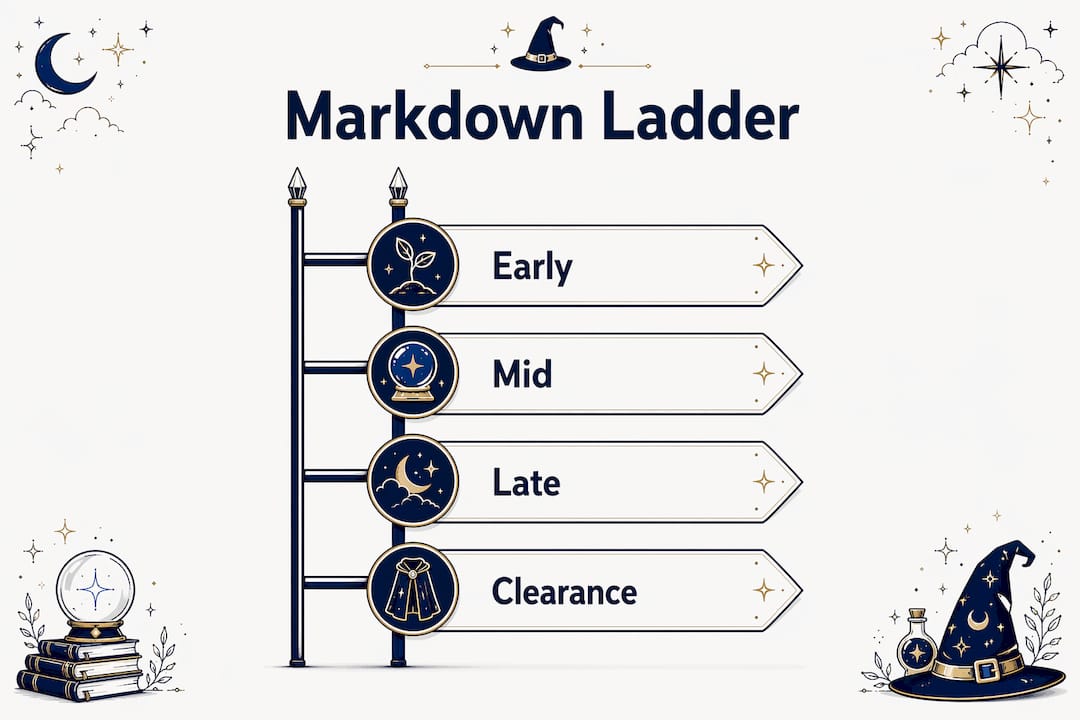
The critical mistake most brands make is waiting too long to start. Pricing mistakes show up as lost margin or unsellable stock as early as weeks 4–6 into a season. By the time a brand reacts, the window for a profitable markdown has already closed. The better approach uses sell-through triggers, not calendar dates, to decide when to cut prices.
Using sell-through checkpoints mid-season protects margin and avoids fire-sale pricing. If a product has moved less than 40% of its units by week six, that is a trigger to apply a shallow cut immediately. Waiting until week twelve means the brand will need a much deeper cut to move the same units, which destroys margin.
| Markdown stage | Timing | Discount depth | Goal |
|---|---|---|---|
| Early markdown | Weeks 4–6 (low sell-through) | 10–25% off | Stimulate demand, protect margin |
| Mid-season cut | Weeks 8–12 | 25–40% off | Accelerate sell-through |
| Late-season push | Weeks 12–16 | 40–60% off | Clear bulk inventory |
| Final liquidation | End of season | 70–90% off | Zero remaining stock |
Not every product should follow the same ladder. Assigning product roles prevents the markdown spiral. Traffic drivers get discounted for visibility. Margin protectors only get cut when sell-through data justifies it. Clearance candidates follow planned deep markdowns from the start. Treating every SKU the same is the fastest way to permanently lower your price floor.
Pro Tip: Build a sell-through dashboard that flags any product below 35% sold-through at week five. That early warning gives you time to apply a 15% cut before you need a 60% cut.
How do seasonal sales shape fashion trends and the retail calendar?
Seasonal promotions do not just move inventory. They actively shape which trends gain momentum. When a graphic hoodie or a themed tee goes on sale during a high-traffic event, it reaches a wider audience than it would at full price. That wider reach accelerates trend adoption by making the style accessible to shoppers who would not have paid full price. The importance of sales events in spreading trend awareness is consistently underestimated by brands focused only on margin math.
The retail calendar now runs on multiple overlapping sale windows. Post-holiday clearance in january, spring refresh events in march, summer kickoff sales in may, back-to-school in august, and the full holiday promotional season from october through december. Seasonal graphic wear sits at the intersection of all these windows, because themed apparel has a natural expiration date that makes clearance both necessary and expected.
The risks of running too many sale events are real. Frequent promotions reset consumer price expectations downward. A shopper who buys a hoodie at 40% off in october will not pay full price for the same style in november. The brand has trained that customer to wait. Fashion sale strategies that rely on constant promotions end up competing with themselves.
The most effective approach treats sales as occasion-driven events tied to genuine demand peaks:
- Pre-season launches: Full-price introductions for new collections before any discount pressure begins.
- Mid-season refresh: Shallow discounts on slow movers to free up visual merchandising space for new arrivals.
- End-of-season clearance: Deep markdowns on remaining inventory to fund the next collection buy.
- Holiday and themed events: Promotions tied to Halloween, fall, and winter collections that align with natural consumer buying intent.
Building a seasonal wardrobe around these windows helps consumers plan purchases and gives brands a predictable demand signal to work with.
What risks do marketers face from discount dependency?
Discount dependency is the most underreported structural problem in fashion retail. Customers acquired at a discount have 30–50% lower repeat purchase rates over 12 months compared to full-price buyers. That gap does not close over time. It reflects a fundamental difference in why those customers bought in the first place.
Repeated promotional events train shoppers to wait. A brand that runs five to eight sales per year teaches its audience that full price is optional. Reducing promotional frequency to two or three events per year can break that cycle and restore reference price integrity. The short-term revenue dip from fewer sales is almost always smaller than the long-term margin recovery.
“Discounting based on genuine demand peaks works better than standing sitewide promotions that erode reference prices and margins unnecessarily.” — Eightx, Discount Strategy Promos
The markdown spiral is the worst-case outcome. It starts when a brand discounts broadly, trains customers to expect sales, sees full-price conversion drop, and then discounts again to hit revenue targets. Each cycle lowers the effective price floor. Breaking the spiral requires discipline: assign product roles, use sell-through triggers, and protect margin protectors from indiscriminate cuts.
Targeted discounts outperform blanket promotions on every metric. A 20% offer sent to customers who viewed a product three times but did not buy converts at a higher rate than a sitewide 30% off banner. The personalization also signals to the customer that the brand values their specific interest, which builds loyalty rather than eroding it.
Key Takeaways
Seasonal sales drive fashion retail outcomes only when brands pair structured markdown ladders with sell-through triggers, product role assignments, and controlled promotional frequency.
| Point | Details |
|---|---|
| Consumer timing shifts | 75% of shoppers prioritize sales, so brands must plan promotions months ahead of peak events. |
| Markdown ladder discipline | Start at 10–25% off using sell-through triggers, not calendar dates, to protect margin. |
| Product role assignment | Separate traffic drivers, margin protectors, and clearance items to avoid indiscriminate discounting. |
| Discount dependency risk | Customers acquired at discount have 30–50% lower repeat purchase rates over 12 months. |
| Promotional frequency control | Limiting sales to 2–3 events per year preserves reference prices and long-term brand value. |
Why I think most brands misread what seasonal sales actually do
The conventional wisdom treats seasonal sales as a necessary evil: you run them to clear stock, you accept the margin hit, and you move on. That framing misses the bigger picture entirely. Seasonal sales are one of the most powerful tools a brand has for shaping consumer perception, accelerating trend adoption, and building the kind of purchase habits that drive lifetime value. The problem is not the sale itself. The problem is how most brands execute it.
I have seen brands run eight promotional events in a single year and then wonder why their full-price conversion rate collapsed. The answer is obvious in hindsight. They trained their customers. Every sale event is a lesson you are teaching your audience about when and how to buy from you. If that lesson is “wait long enough and everything goes on sale,” you have built a business model that works against itself.
The brands that get this right treat each sale as a deliberate signal. A halloween graphic tee going on sale in early november is not a failure. It is a planned clearance event that funds the next seasonal buy. A mid-season cut on a slow-moving hoodie at week five is not desperation. It is margin management. The difference between a brand that thrives on seasonal promotions and one that gets trapped by them is almost always the discipline of the markdown process, not the existence of the sale itself.
Personalized promotions are where the real opportunity sits right now. Sending a targeted offer to a customer who browsed a specific product three times costs almost nothing and converts at a rate that blanket sitewide sales cannot match. That is the direction fashion retail is moving, and the brands that build those capabilities now will have a structural advantage within three years.
— Josh
Seasonal deals at 3wizardclothing worth knowing about
3wizardclothing runs its seasonal promotions around the same calendar events that drive the strongest consumer intent: halloween, fall, and holiday windows. The brand’s themed graphic apparel, from sassy tees to novelty hoodies, fits naturally into the end-of-season clearance and holiday sale cycles that shoppers plan around.
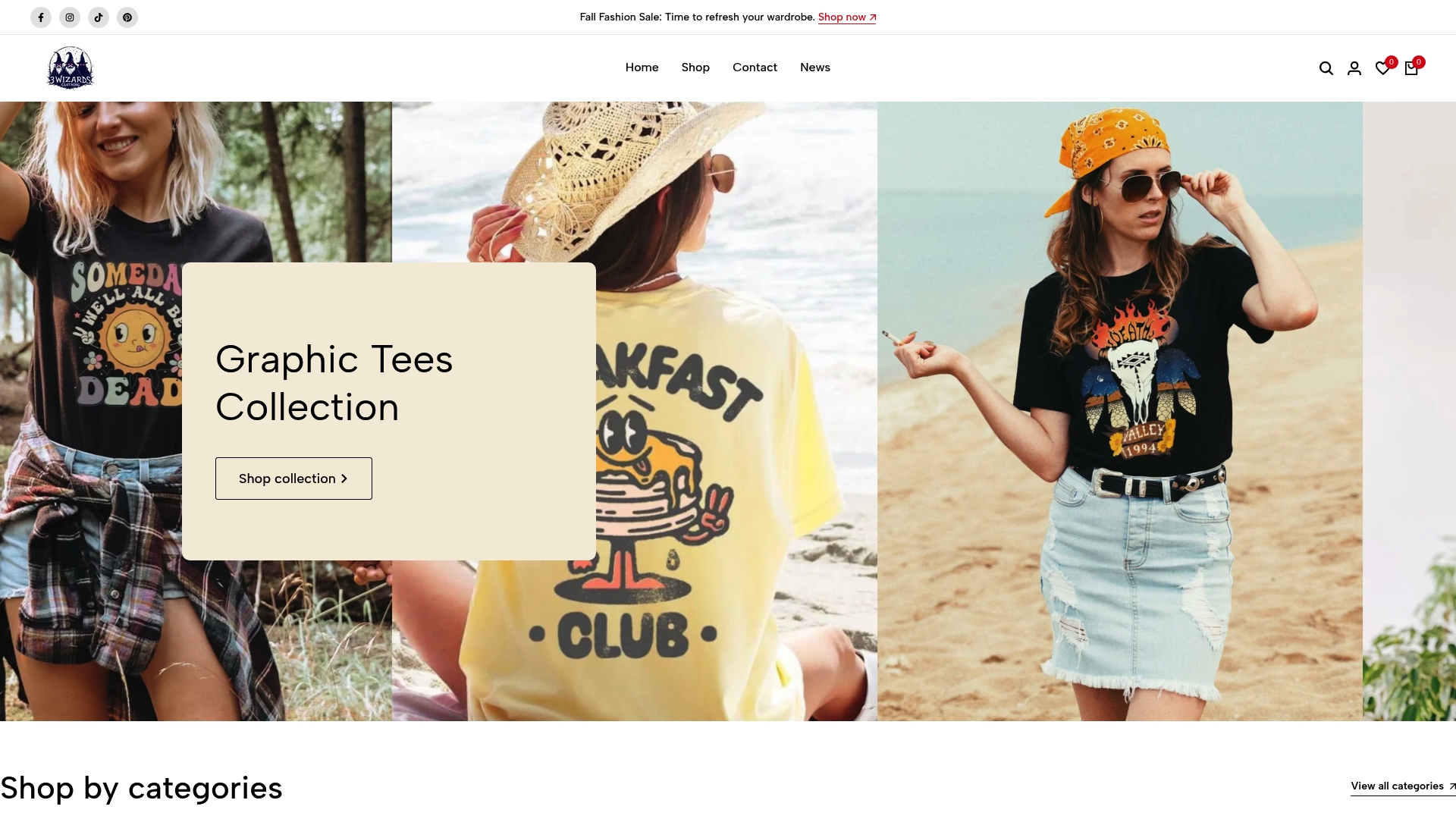
If you want to see how seasonal pricing works in practice, the 3wizardclothing store is a good place to start. The catalog covers men’s, women’s, and kids’ styles across themed collections that rotate with the season. For a specific example of how a seasonal graphic piece lands at the right price point, the Mermaid Skeleton Tee shows exactly how themed apparel and sale timing work together to create genuine value for the buyer.
FAQ
What is the role of seasonal sales in fashion retail?
Seasonal sales clear end-of-season inventory, stimulate demand during key periods, and shape consumer purchase timing. They are a core operational tool for managing cash flow and funding new collection buys.
How do seasonal discounts affect consumer loyalty?
Customers acquired through discounts have 30–50% lower repeat purchase rates over 12 months compared to full-price buyers. Brands that rely heavily on promotions risk training shoppers to wait rather than buy at full price.
When should fashion brands start seasonal markdowns?
Brands should start markdowns based on sell-through triggers, not calendar dates. If a product is below 35–40% sold-through by weeks 4–6, a shallow 10–25% cut protects margin better than waiting for a deeper fire-sale cut later.
How many sales events per year is too many?
Running five to eight promotional events per year trains customers to expect constant discounts. Reducing to two or three targeted events per year preserves reference prices and rebuilds full-price purchase behavior.
Do seasonal sales accelerate fashion trends?
Sales events make trend pieces accessible to a wider audience, which accelerates adoption. A graphic style that sells slowly at full price can reach critical mass during a well-timed promotional event, turning it into a recognizable seasonal look.


