

TL;DR:
- Casual fashion emphasizes comfort, flexibility, and personality through relaxed fabrics and simple silhouettes. It has evolved from sportswear and counterculture influences to include streetwear, reflecting broader cultural shifts. Building a wardrobe with well-fitting basics and intentional styling creates versatile, expressive casual outfits.
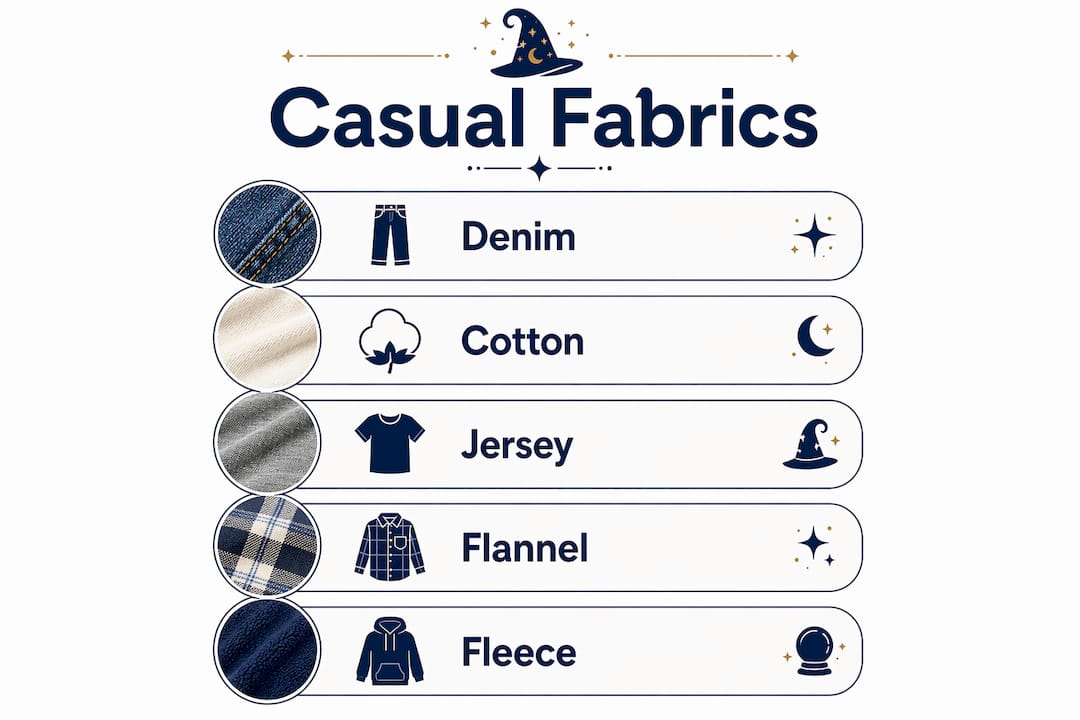
Casual fashion is defined as a relaxed, comfortable dress style built for everyday informal wear, prioritizing ease of movement over formality. The standard industry term is “casual wear,” and it covers everything from jeans and T-shirts to hoodies, sneakers, and casual dresses designed for flexible, multi-activity use. Core fabrics include denim, cotton, jersey, flannel, and fleece, all chosen for comfort rather than ceremony. What separates casual wear from other dress codes is its intentionality. Done right, it communicates personality and ease without sacrificing style.
What is casual fashion, and what defines it?
Casual wear is a Western dress code built on three pillars: comfort, flexibility, and spontaneity. Those three traits shape every fabric choice, silhouette, and styling decision in the category. That definition matters because it rules out anything stiff, structured, or ceremonial by design.
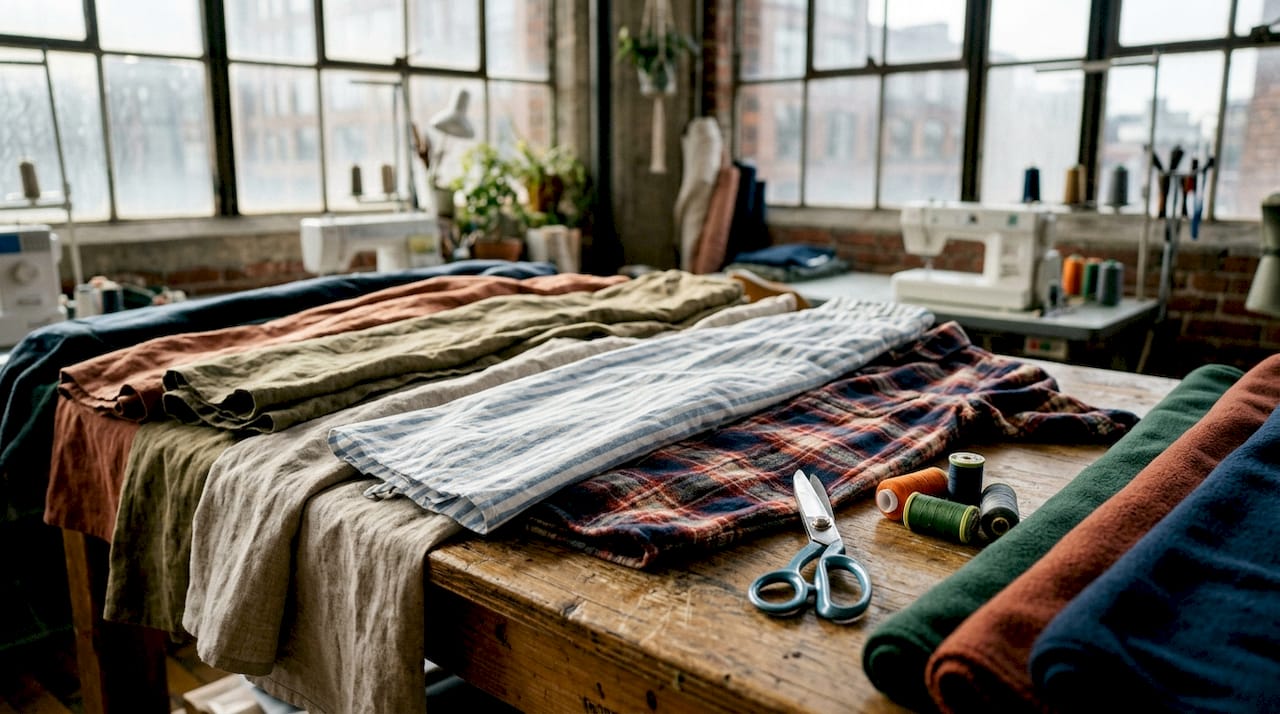
The fabrics tell the story. Denim, cotton, jersey, flannel, and fleece dominate casual wardrobes because they move with the body and hold up through daily activity. Contrast those with formal materials like velvet, chiffon, or brocade, which require careful handling and restrict movement. The fabric choice alone signals which dress code you are operating in.
Fit and simplicity are equally defining. Casual silhouettes tend to be relaxed or slightly oversized, with clean lines and minimal ornamentation. A plain white cotton tee, a well-worn pair of jeans, or a fleece pullover all qualify because they prioritize function without looking like they tried too hard. The look is effortless, but the best casual outfits are never accidental.
Core casual fabrics at a glance
| Fabric | Why it works for casual wear |
|---|---|
| Denim | Durable, versatile, and works across seasons |
| Cotton | Breathable, soft, and easy to care for |
| Jersey | Stretchy and comfortable for all-day wear |
| Flannel | Warm, textured, and ideal for layering |
| Fleece | Lightweight insulation for casual outerwear |
Pro Tip: When building a casual wardrobe, prioritize fabrics that wash well and hold their shape after repeated wear. A cotton tee that pills after three washes is not a casual staple. It is a replacement cost.
How did casual fashion evolve over time?
Casual wear did not appear overnight. Its roots trace back to 1920s sportswear and workwear, when practicality started pushing back against the rigid dress codes of the Victorian and Edwardian eras. Tweed blazers, golf skirts, and athletic gear all fed into a growing appetite for clothing that matched an active, modern life.
The 1960s counterculture accelerated everything. That movement rejected formality as a social statement, and casual clothing became the uniform of protest, youth culture, and personal freedom. The 1960s counterculture enabled unisex fashion and greater gender expression within casual wear, with men wearing long hair and women adopting trousers as everyday alternatives to skirts. Those shifts permanently expanded what casual dressing could look like.
The 1980s added another layer. The “casuals” subculture, rooted in British football terrace culture, turned branded sportswear and athletic gear into a street fashion statement. That era proved casual wear could carry subcultural weight and social identity, not just comfort. Urban street fashion picked up that thread and ran with it through the 1990s and into the 2000s.
Casual fashion has never been just about being comfortable. Every major shift in casual style has reflected a broader cultural shift in who gets to define what “appropriate” dressing means.
The history of casual wear shows a consistent pattern: comfort wins when culture demands it, and culture has demanded it repeatedly.
How does casual fashion differ from smart casual and streetwear?
Casual, smart casual, and streetwear occupy different points on the same spectrum. Knowing where each sits helps you dress correctly for any context.
Smart casual adds structured pieces like blazers, tailored shirts, and chinos to a casual foundation. The goal is to look polished without crossing into full business attire. A smart casual outfit might pair dark jeans with a button-down shirt and leather loafers. Pure casual would swap the button-down for a graphic tee and the loafers for clean sneakers.
Streetwear shares DNA with casual wear but carries a subculture identity. It leans heavily on graphic elements, brand logos, limited-edition drops, and silhouettes drawn from skateboarding, hip-hop, and basketball culture. Streetwear is casual in comfort but deliberate in cultural signaling. Not every casual outfit is streetwear, but most streetwear qualifies as casual.
Style comparison: casual, smart casual, and streetwear
| Style | Formality level | Key pieces | Best context |
|---|---|---|---|
| Casual | Low | Jeans, tees, hoodies, sneakers | Everyday, social, weekend |
| Smart casual | Medium | Chinos, blazers, loafers | Office, dinner, events |
| Streetwear | Low to medium | Graphic tees, joggers, statement sneakers | Urban, social, cultural events |
The overlap between these styles is real and growing. Modern fashion regularly blends all three. A graphic tee under a blazer with clean sneakers sits at the intersection of all three categories at once.
Pro Tip: When you are unsure whether a setting calls for casual or smart casual, default to smart casual. You can always remove a blazer. You cannot add one you left at home.
How to build a casual wardrobe that actually works
The foundation of any strong casual wardrobe is a set of versatile, well-fitting basics. Casual attire includes jeans, T-shirts, hoodies, sweaters, and sneakers as its core building blocks. Each piece should fit cleanly, meaning not baggy to the point of shapelessness and not so tight it restricts movement.
Trendy casual styles shift seasonally through layering and silhouette changes, while classic casual centers on timeless staples. Oversized fits read as current right now, while fitted straight-leg jeans are a perennial. A smart casual wardrobe holds both. Chasing only trends means constant replacement costs. Anchoring with classics means your wardrobe ages well.
Texture and color are where casual outfits go from flat to interesting. Adding texture variation and selective color pops prevents casual outfits from looking dull. A ribbed tank under an open flannel shirt, or a fleece layer over a solid cotton tee, creates visual depth without complexity. Neutral palettes work as a base, but one deliberate color choice per outfit lifts the whole look.
The most common mistake in casual dressing is confusing relaxed silhouettes with ill-fitting clothing. Small adjustments like half-tucking shirts or rolling sleeves keep casual looks intentional and prevent a sloppy appearance. These are two-second fixes that signal you thought about what you put on.
Here are four outfit-building principles worth keeping:
- Start with fit. Every piece should have a clear shape, even if that shape is relaxed.
- Layer with purpose. Add a layer for warmth or texture, not just to add bulk.
- Mix one statement piece. A graphic tee, a bold color, or a textured fabric gives the outfit a focal point.
- Keep accessories simple. A clean watch, a cap, or a minimal bag completes a casual look without competing with it.
For 2026 casual wear trends, including what silhouettes and fabrics are leading the season, the top casual wear trends guide covers the current cycle in detail.
Key Takeaways
Casual fashion is a deliberate dress code built on comfort, versatile fabrics, and intentional styling that communicates personality without formality.
| Point | Details |
|---|---|
| Core definition | Casual wear prioritizes comfort, flexibility, and spontaneity using fabrics like denim, cotton, and jersey. |
| Historical roots | Casual fashion grew from 1920s sportswear and was reshaped by 1960s counterculture and 1980s street style. |
| Style distinctions | Smart casual adds structure; streetwear adds subculture identity; pure casual stays relaxed and versatile. |
| Wardrobe building | Start with well-fitting basics, layer with purpose, and use texture or color to add depth. |
| Avoid common pitfalls | Half-tuck shirts and roll sleeves to keep relaxed silhouettes looking intentional, not sloppy. |
Casual fashion is a statement, not a default
People treat casual dressing like a fallback. It is not. Every time you reach for a graphic tee or a pair of jeans, you are making a choice about how you want to move through the world that day. That choice deserves the same attention you would give a formal outfit.
What I have noticed is that the people who look best in casual clothes are not wearing the most expensive pieces. They are wearing pieces that fit, that have some texture or personality, and that feel chosen rather than grabbed. A heavyweight cotton tee in a good color, worn with clean jeans and minimal accessories, beats a full outfit of trend-chasing pieces every time.
The cultural weight of casual fashion also gets underestimated. The 1960s counterculture did not just make jeans acceptable. It made self-expression through everyday clothing a legitimate act. That legacy is still alive every time someone wears a graphic tee that says something about who they are. Casual fashion is one of the few dress codes where your personality has room to show up without a dress code committee approving it first.
My honest advice: stop thinking of casual as the absence of effort. Think of it as effort applied differently. The goal is not to look like you tried too hard. The goal is to look like you knew exactly what you were doing.
— Josh
Casual wear worth wearing: 3wizardclothing
3wizardclothing carries graphic tees, hoodies, tank tops, and themed collections built for people who want casual wear with actual personality. The range covers men’s, women’s, and kids’ styles, with seasonal drops that keep the catalog fresh without forcing you to rebuild your wardrobe every few months.
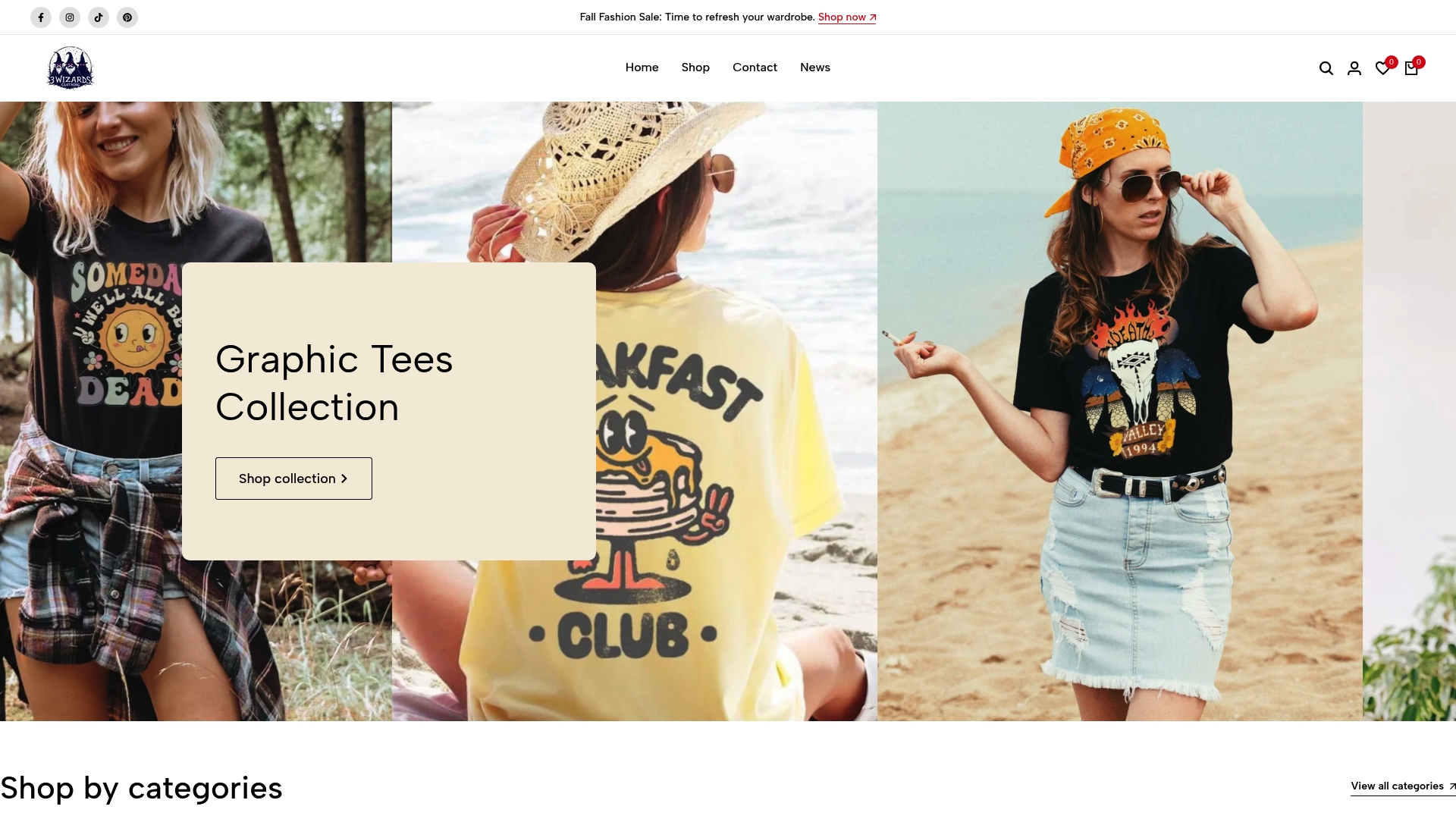
Whether you are filling out the basics or looking for a statement piece that does the talking for you, 3wizardclothing has casual wear designed to be worn, not just owned. The site also makes it easy to compare pieces, save favorites, and catch new arrivals before they sell out.
FAQ
What is the casual wear definition in fashion?
Casual wear is a dress code built on comfort, flexibility, and spontaneity, using fabrics like denim, cotton, jersey, and fleece for everyday informal use. It contrasts with formal dress codes that require structured garments and ceremonial materials.
What is the difference between casual and formal clothing?
Casual clothing uses relaxed fabrics and silhouettes designed for comfort and movement, while formal clothing uses structured materials like velvet or chiffon and follows strict dress code rules. The key difference is function: casual wear is built for daily life, formal wear is built for ceremony.
What defines trendy casual clothing versus classic casual?
Trendy casual adapts to seasonal cycles through layering and silhouette shifts, such as oversized fits or new color palettes, while classic casual stays anchored in timeless staples like straight-leg jeans and plain cotton tees. Both belong in a well-rounded casual wardrobe.
What is smart casual, and how does it differ from casual?
Smart casual adds structured pieces like blazers, chinos, and tailored shirts to a casual foundation to create a polished but relaxed look. Pure casual skips the structure entirely and focuses on comfort-first pieces like jeans, tees, and sneakers.
Can casual fashion be expressive and intentional?
Casual fashion is one of the most expressive dress codes available because it gives personal style room to show up without formal restrictions. Graphic tees, color choices, and texture combinations all communicate identity within a relaxed framework.


